
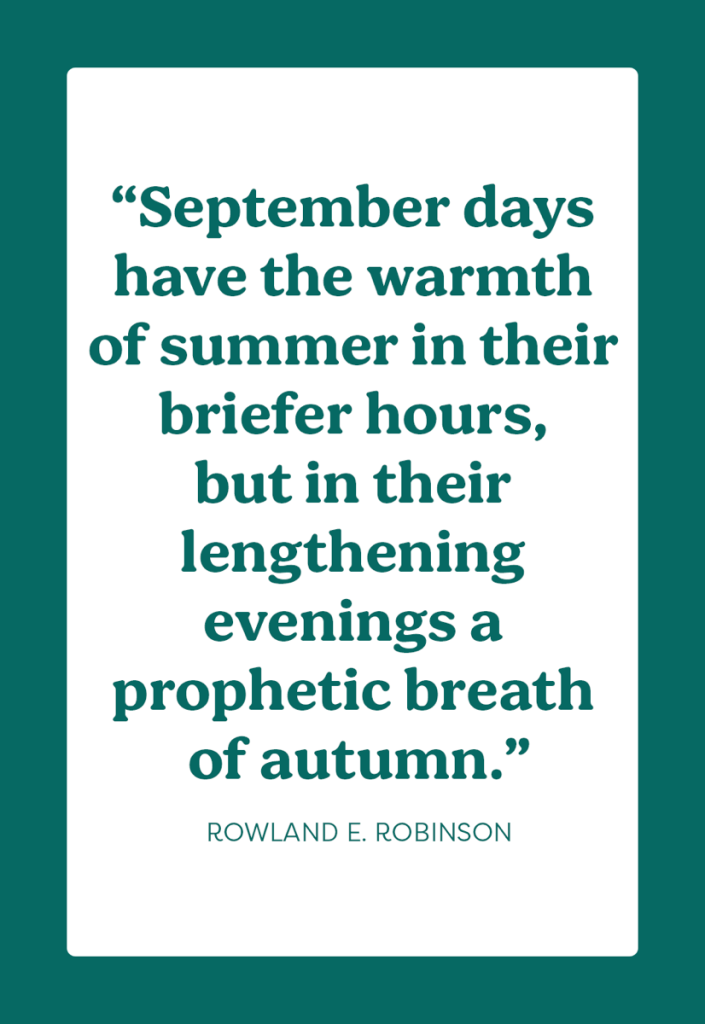
May September’s Prophecy be one of Health and Joy for us all.


May September’s Prophecy be one of Health and Joy for us all.
My weekly gratitude journal, of sorts.
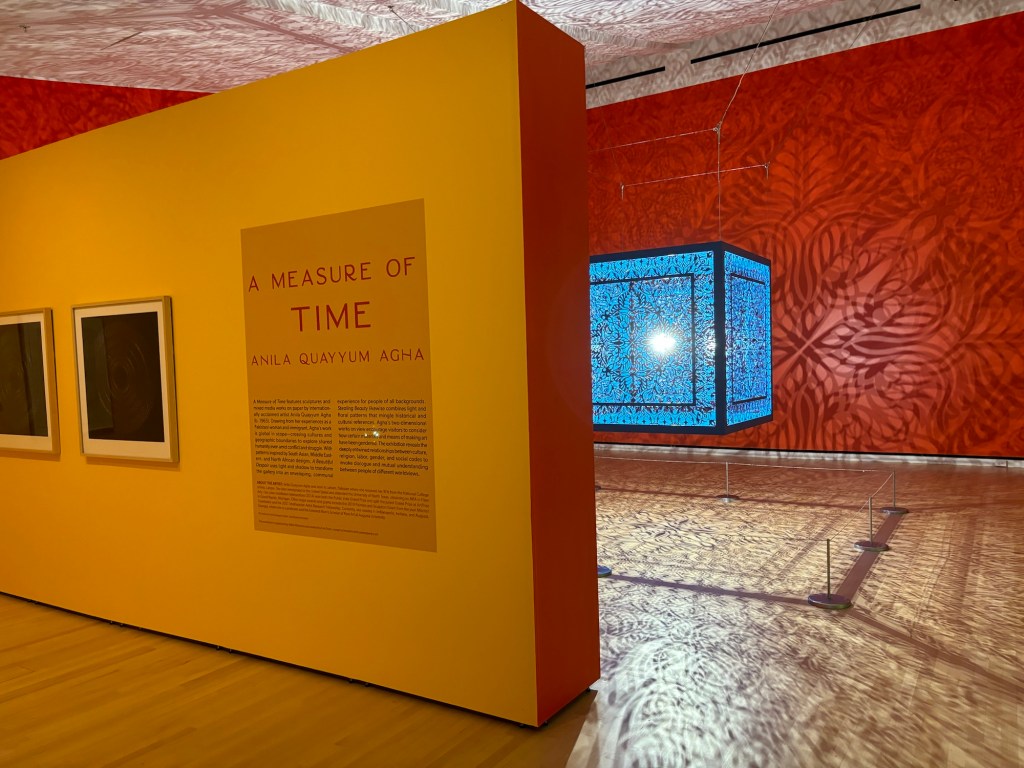
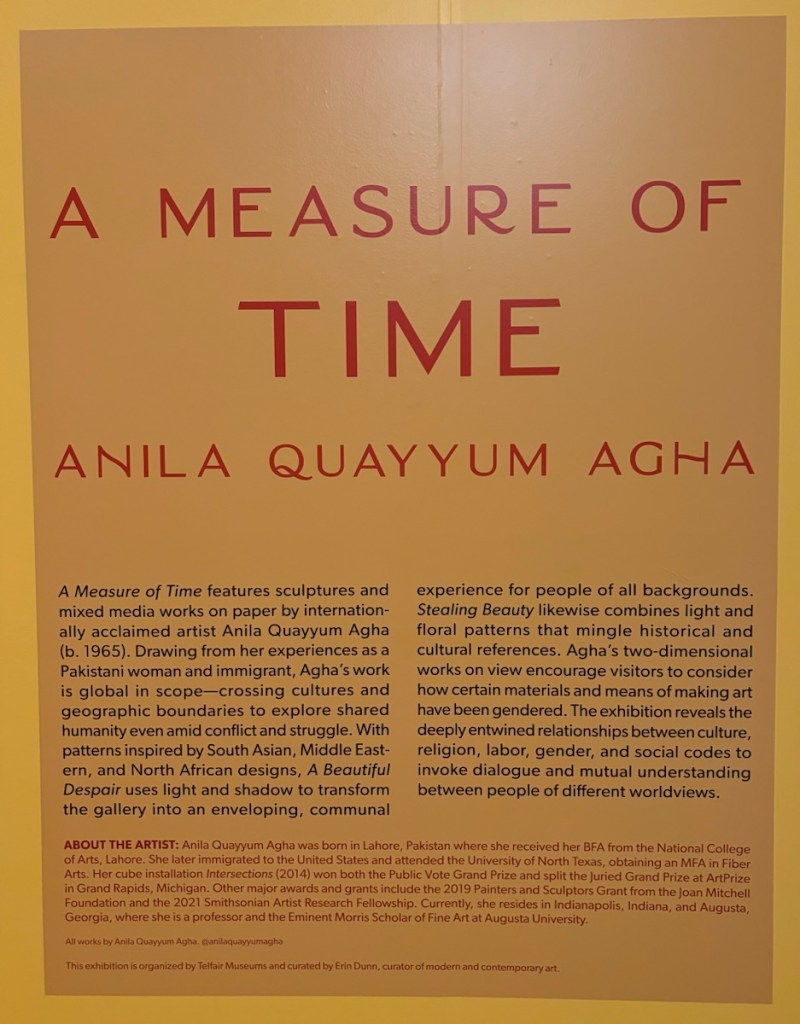
Gloriously colorful, geometric shapes everywhere!



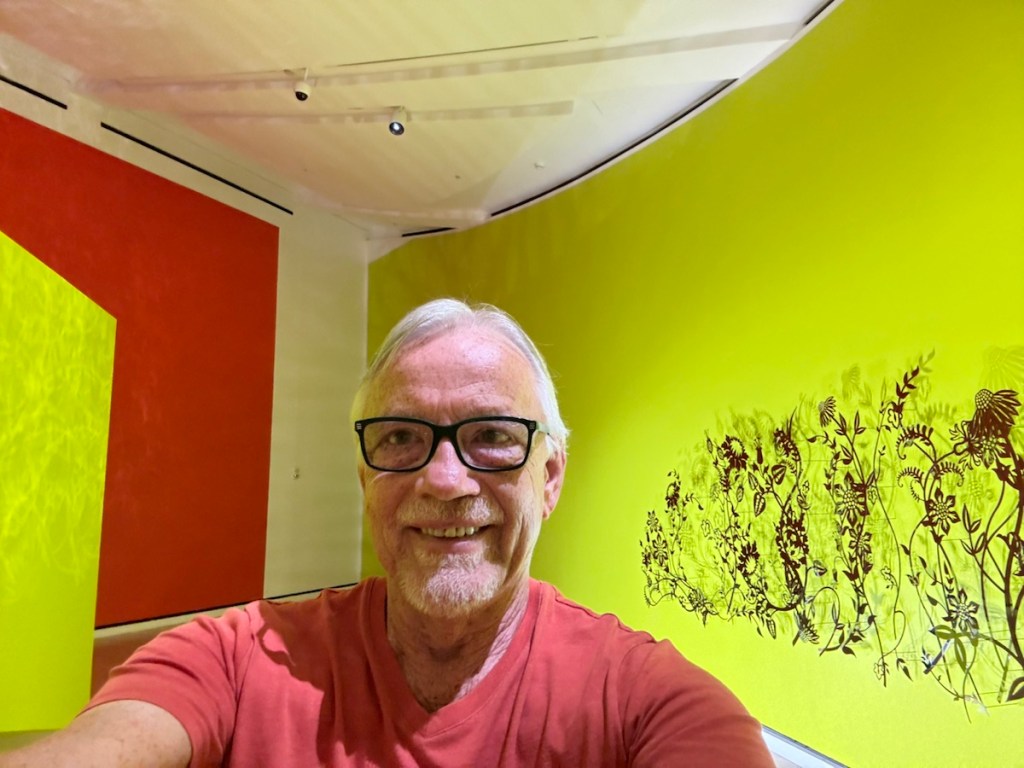
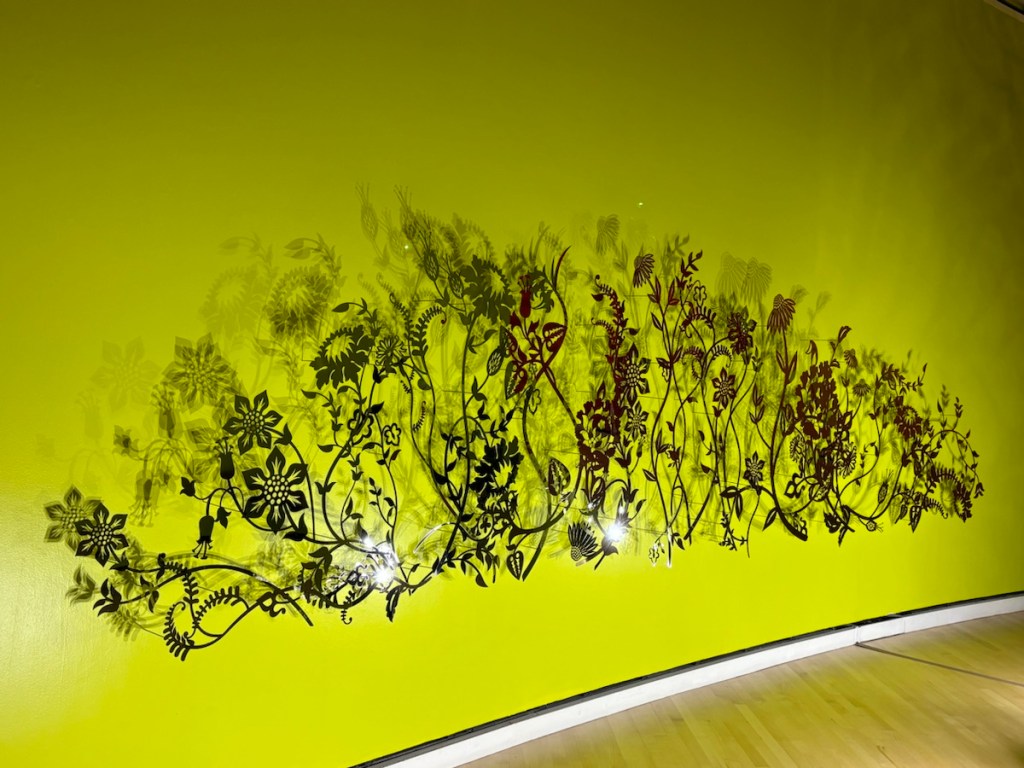


2. The ongoing belief that our bodies know how to be well and are always trying to move toward wellness.
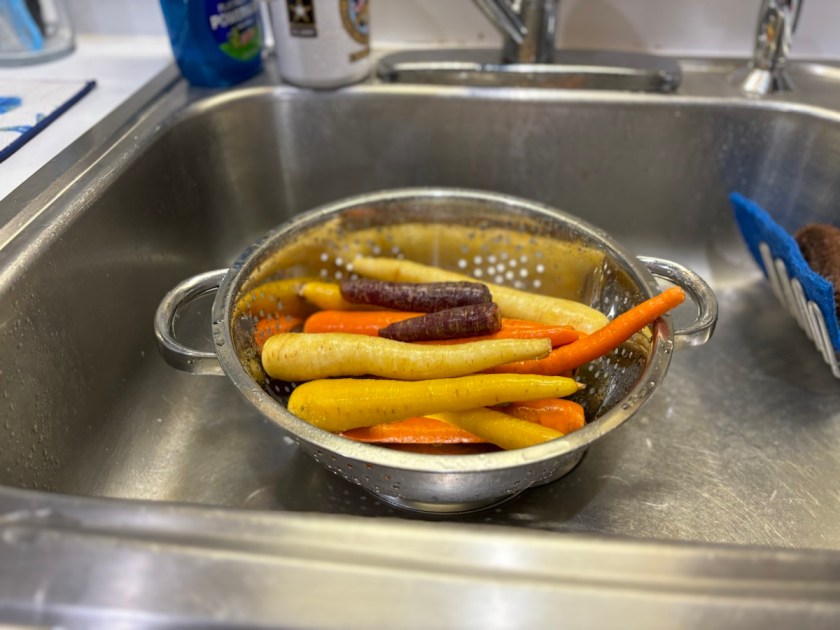
3. Colorful carrots!

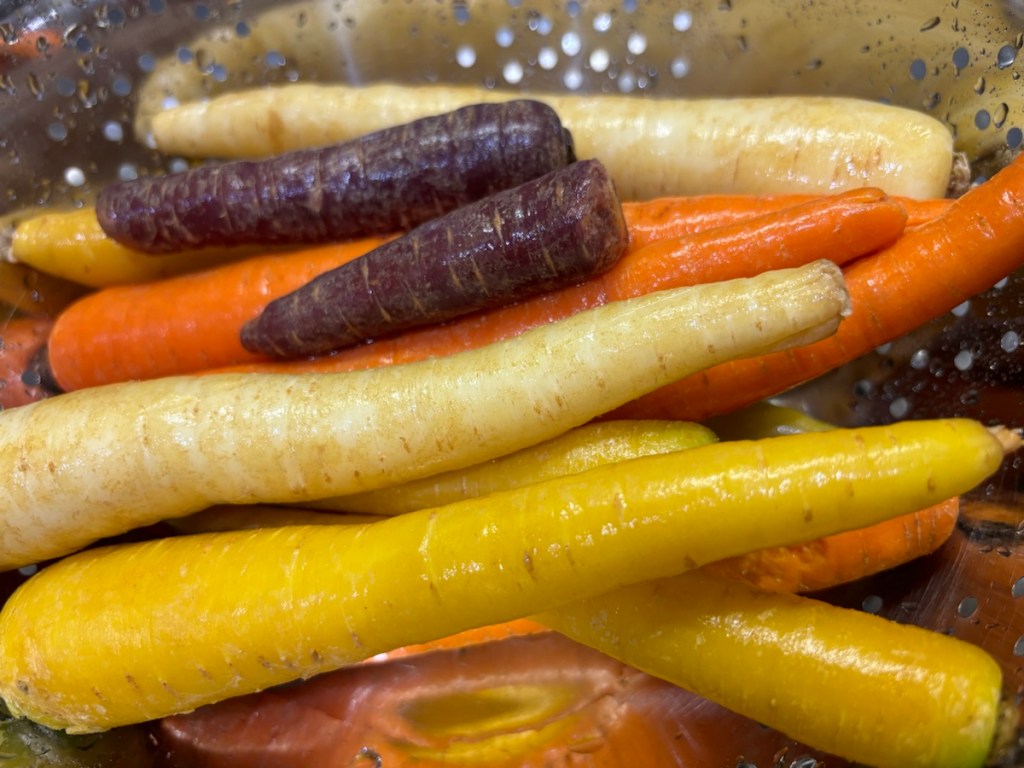
I made a delicious new dish, Maple Roasted Rainbow Carrots with Fennel Seeds, with some of them.

4. Our “Travel Buddies.” Have I told you about them? Three silly little stuffed animals HR and I have given each other over the years. But they travel with us EVERYWHERE we go.
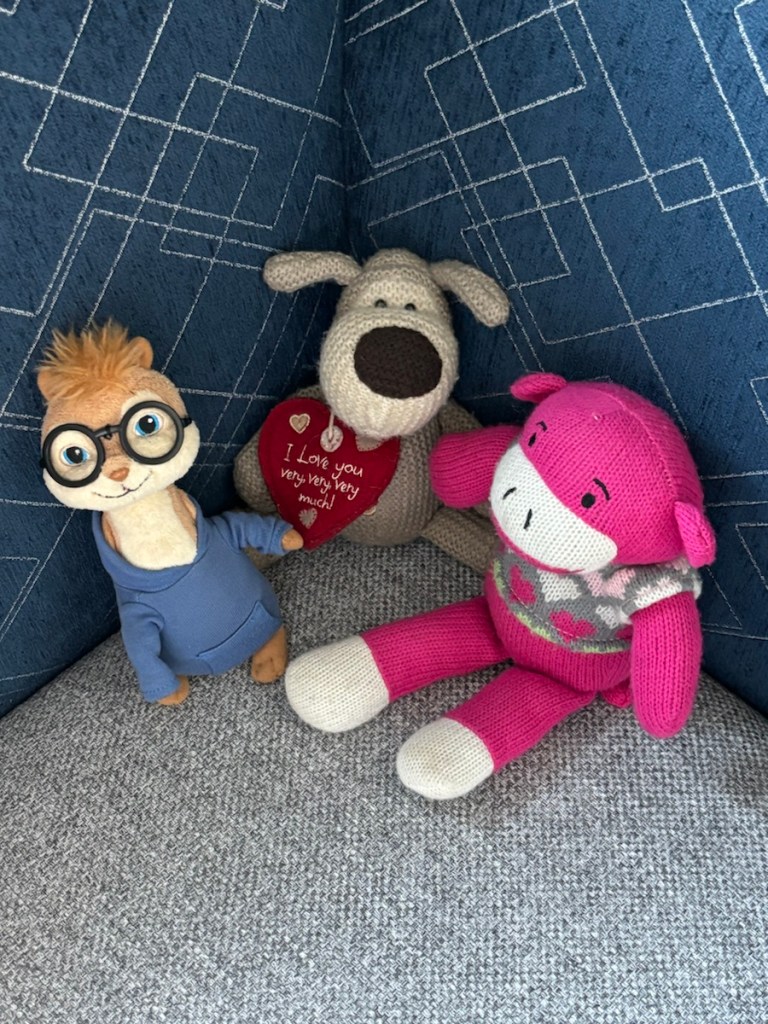
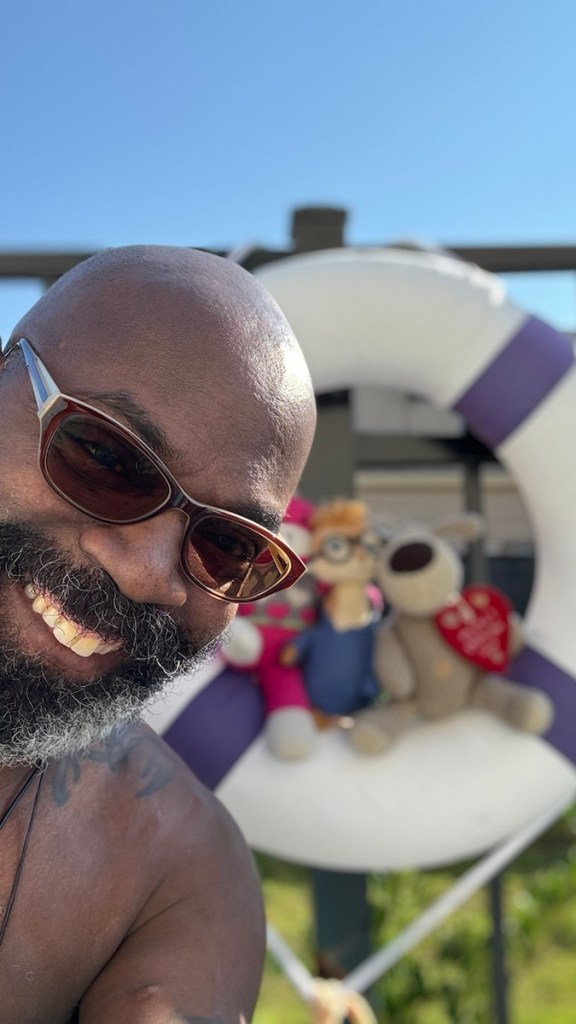
I’ll do a blog post about some of their adventures soon.
5. Friday!

Joyful weekend ahead for you!

My weekly gratitude journal, of sorts.
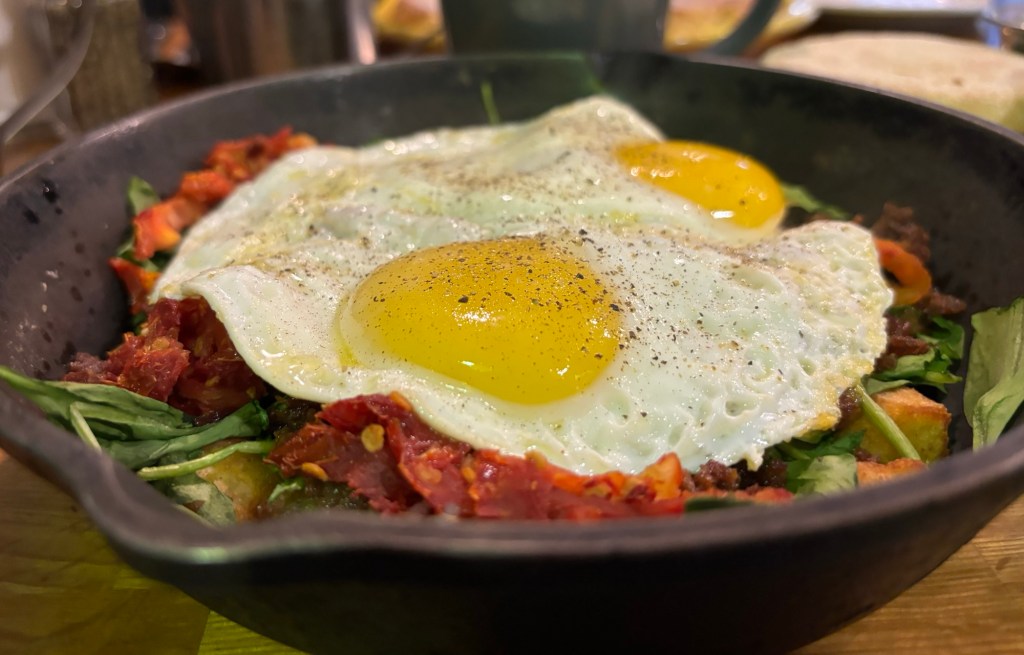
1. A terrific cast iron skillet breakfast at one of our favorite local eateries here in Savannah, J Christopher’s …

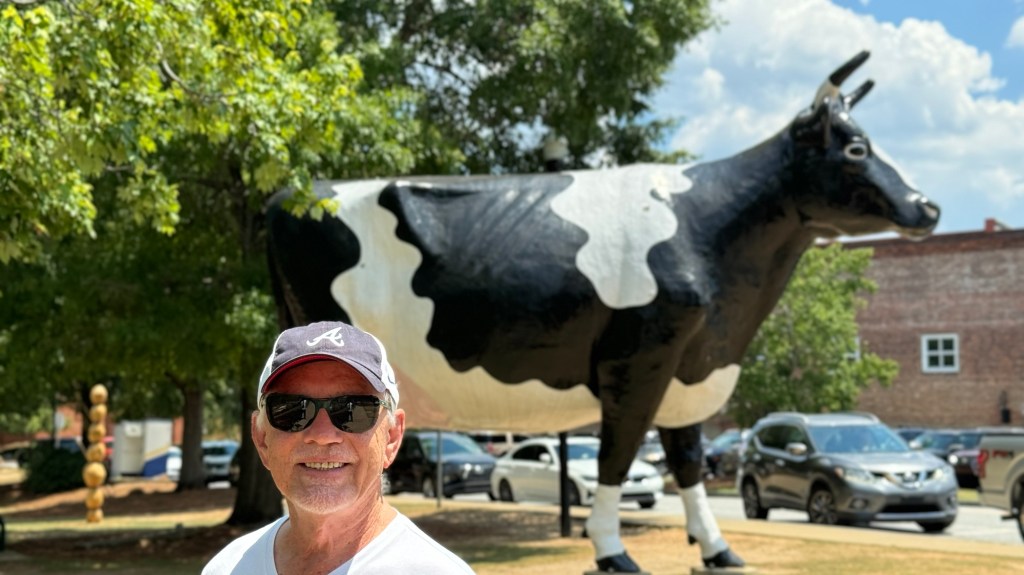
2. My new cow.
3. Air conditioning! (And it makes me sad and a bit privileged to realize that everyone does not have this luxury. Maybe a lot privileged.)
4. Beautiful views from our hotel room last weekend.

5. Basil lemonade!
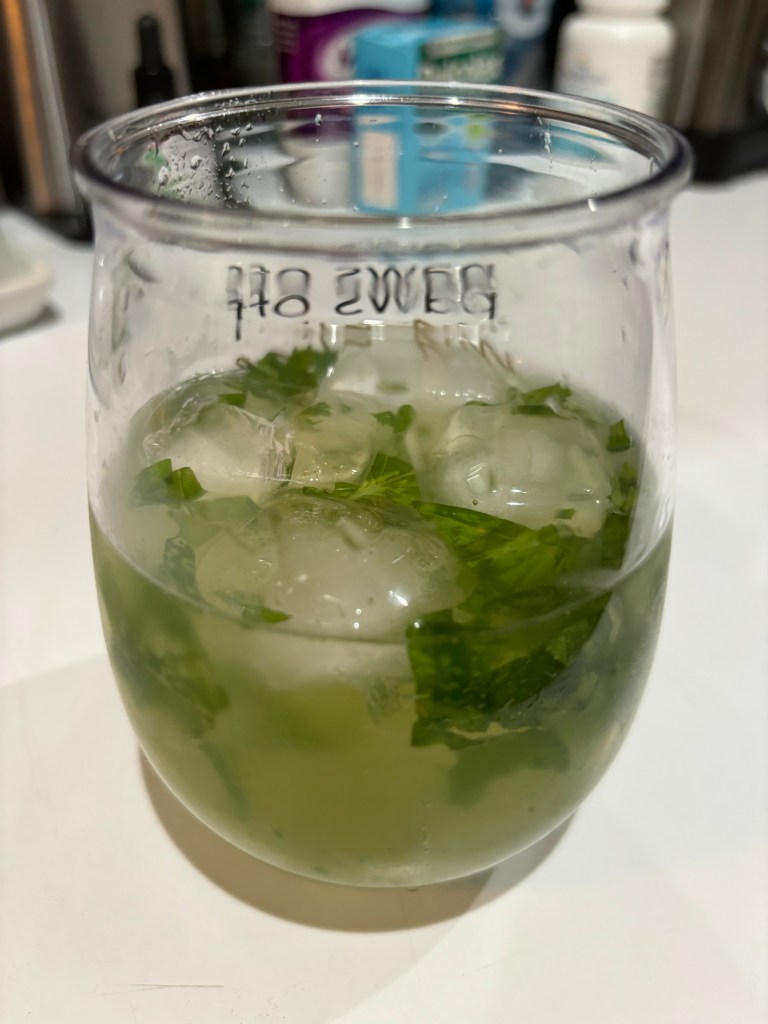
May you have a beautiful summery weekend!

I love this hymn we sang at church this week, as the theme of the service was celebrating our nation’s independence holiday.
It challenges the belief that the United States is “God’s country,” that the USA is more special and deserving of good than other nations.
Take a look at the lyrics, with my emphasis in red:
This Is My Song
by Georgia Elma Harkness, Jean Sibelius, and Lloyd Stone
Verse 1
This is my song O God of all the nations
A song of peace for lands afar and mine
This is my home the country where my heart is
Here are my hopes my dreams my holy shrine
But other hearts in other lands are beating
With hopes and dreams as true and high as mine
Verse 2
My country’s skies are bluer than the ocean
And sunlight beams on cloverleaf and pine
But other lands have sunlight too and clover
And skies are everywhere as blue as mine
O hear my song Thou God of all nations
A song of peace for their land and for mine
Verse 3
This is my prayer O Lord of all earth’s kingdoms
Thy kingdom come on earth Thy will be done
Let Christ be lifted up till all shall serve Him
And hearts united learn to live as one
O hear my prayer Thou God of all nations
Myself I give Thee let Thy will be done
God bless … the World and all its Nations.

And at home …



From 1914 to 1918, Flanders Fields was a major battle theatre on the Western Front during the First World War. A million soldiers from more than 50 different countries were wounded, missing or killed in action here. visitflanders.com

The poem, ‘In Flanders Fields’, by John McCrae, went on to inspire the use of the poppy, which once grew on the battlefields of Flanders Fields, to become an enduring symbol of remembrance across the world.

HAVE A BLESSED MEMORIAL DAY 2024

This morning we picked up breakfast sandwiches and coffee and headed over to Savannah’s beautiful Bonaventure Cemetery for a forenoon (Isn’t that a cool word?) picnic.
Walking afterwards, we came across her …


“What’s going on here?” I quietly asked.
(I had to repeat my question several times before she answered me.)
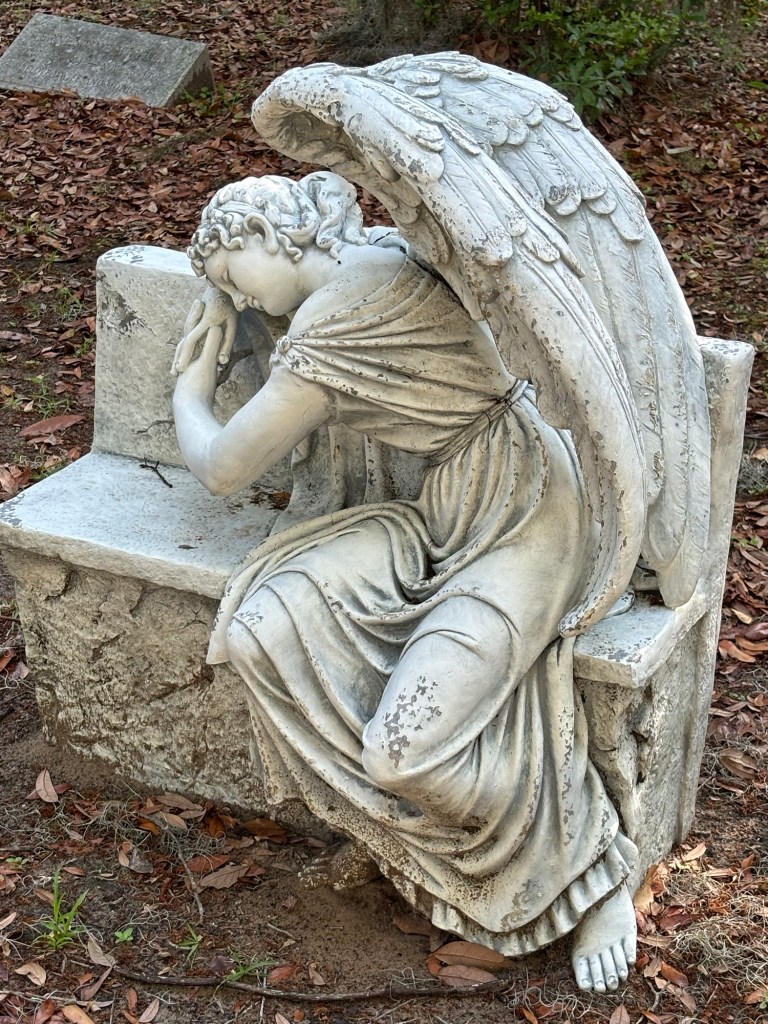
I had to lean in to hear her.
“Angeling is hard work.”
I simply nodded and motioned for Robert to soundlessly move along.


 NealEnJoy