Robert and I live in an old 1800’s apartment building in Historic District Savannah, so we don’t have much garden space. But we do what we can. (Correction: HR manages most of the “doing.”)
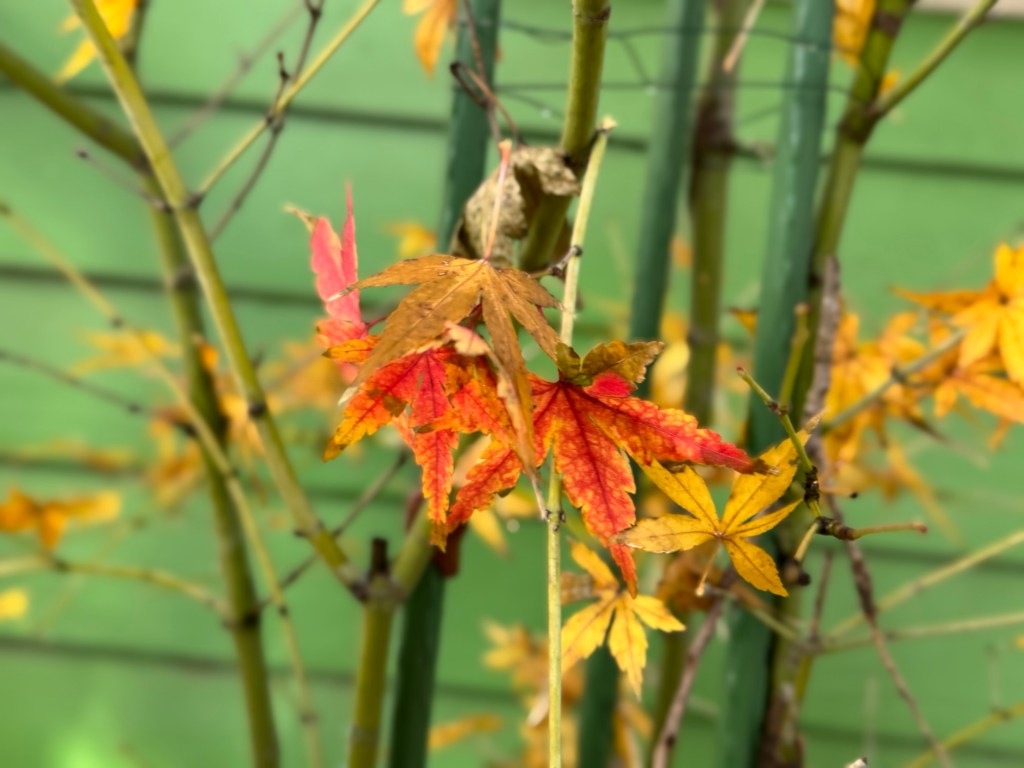
Here’s our little Japanese maple as she decided to “seasonally change” her outerwear recently.
Isn’t she gorgeous?!
I told her, EXCITEDLY, that she was simply LOVELY in her shimmering gold, thinking she would receive the compliment graciously.
And she did. Sort of. The she smiled, as wise sentient beings often do and said with patience (which wise sentient beings often have): “Neal” (I was thrilled she knew my name), “seasonal change, as you call it, is a part of life. We all go through it.”
“And sometimes it strips you bare.”
“Oh Gosh”
My smile drooped a bit. I wasn’t really keen on that part of our convo.
“It’s a part of life,” she said with no trepidation in her voice.
Maple got me to thinking, and I know I have probably used this poem far too often in my blog, but it SO resonates with me, especially as I’m getting … older and “seasonally changing.”
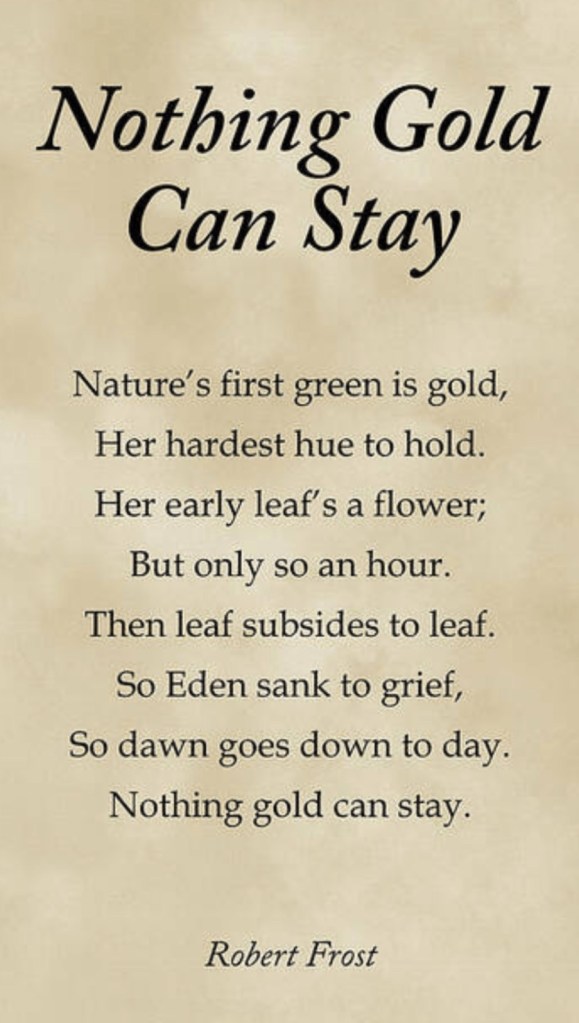
Nothing Gold Can Stay
Nature’s first green is gold, Her hardest hue to hold. Her early leaf’s a flower; But only so an hour. Then leaf subsides to leaf. So Eden sank to grief, So dawn goes down to day. Nothing gold can stay.
— Robert Frost
Here are a few of Robert’s photos of Maple and her “seasonal change.”
So today, HR and I had lunch with our dear friends Don and Jim at the salad-ly delicious Urban Deli within walking distance of us here in historic district Savannah.
Beyond yummy food.
Especially their salads.
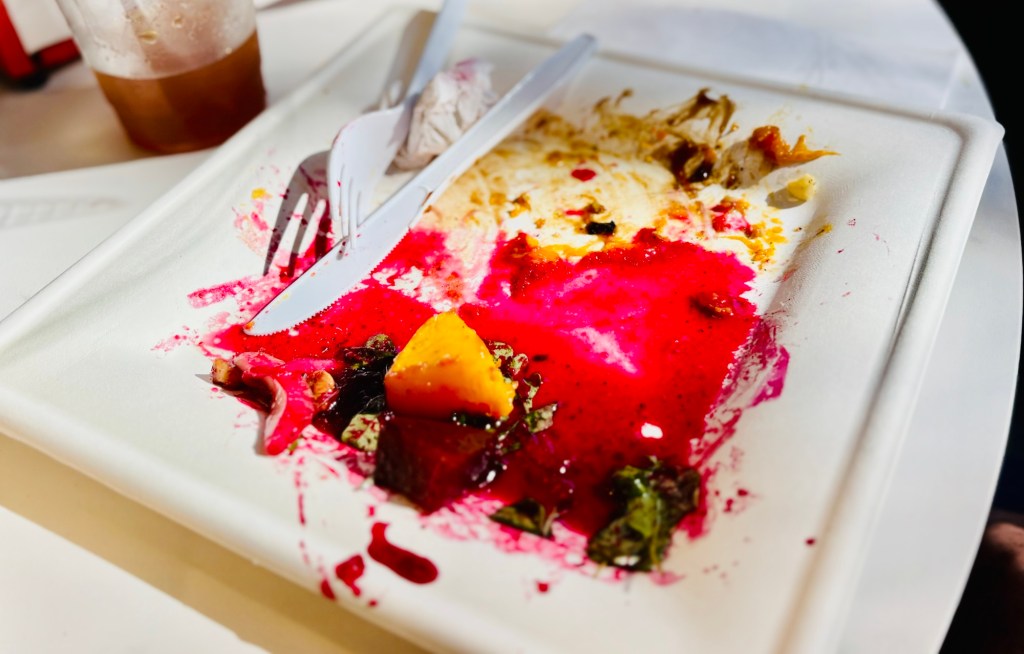
I opted for the brussels sprouts salad, along with a healthy helping of their red beet salad.
I consumed it far too quickly, never thinking about taking a photo remembrance.
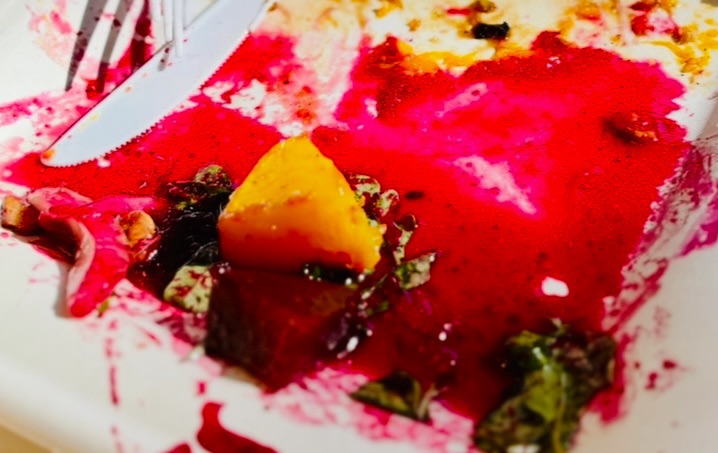
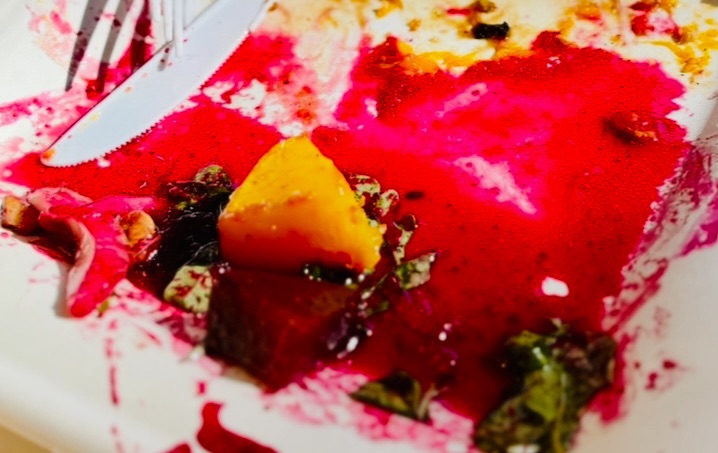
Afterwards, as we were sitting, stuffed, Savannah fall conversing, I looked down on my plate …
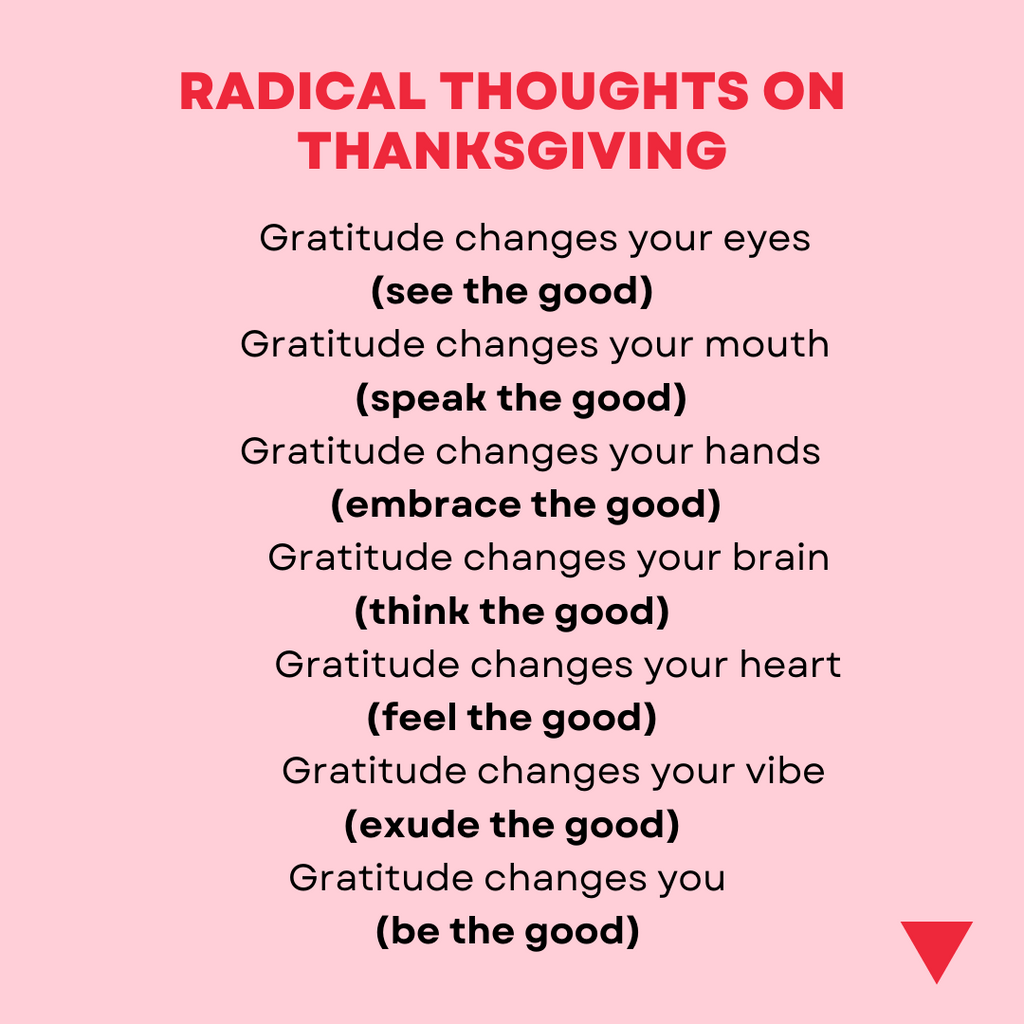
So for this Sunday evening before Thanksgiving, I was thinking about what the holiday is actually all about and ran across this little meditation on giving thanks and embracing gratitude …
Approaching Autumn often finds me in what I call (probably foolishly) my Melancholy Joy Frame of Mind or Temperament: 50% Despondency at Summer’s Goodbye and 50% Delight at Fall’s Coming Orange Cool.
And as I find myself getting close to Autumn this year, I realize that I too—and not just 2024—am in my September Stage of Life.
Approaching Autumn pulled no punches this morning when I unexpectedly ran into her in, of all places, the shared second floor hallway of our old Savannah apartment building.
About a week ago, Robert had placed a beautiful, summery-looking orange day lily with several blossoms in one of the hall windows.
This morn, when I opened our front door and walked out into the hallway, I saw her there in the window. Approaching Autumn herself.
I walked over cautiously to her. 
A bit dismayed at what I saw, I clumsily asked, “What’s going on? You don’t look like summer anymore.”
“Neal. It’s time. I’m Falling.”
“ I still don’t get it,” I complained. “You can’t just out of the blue … BE Fall. You are Summer.”
“Do I look like Summer now?”
I stood for a bit … stuck. In between seasons. HR growing anxious behind me to get on with our breakfast date.
Approaching Autumn, sensing my frustration, asked, “Weren’t you an English major in college? Didn’t you read Frost? He understood. Let him remind you:
I can’t say I completely and lovingly embraced her/his explanation. But I did find a melancholy beauty in its Truth.
I started to walk away when Approaching Autumn spoke her last: “And just so you know Neal, you don’t exactly look like summer anymore either.”
But she smiled as she made the comment. I released some pent-up tension and paid her back with a new season Melancholy Joy smile of my own.
“Let’s go,” I said to Robert.
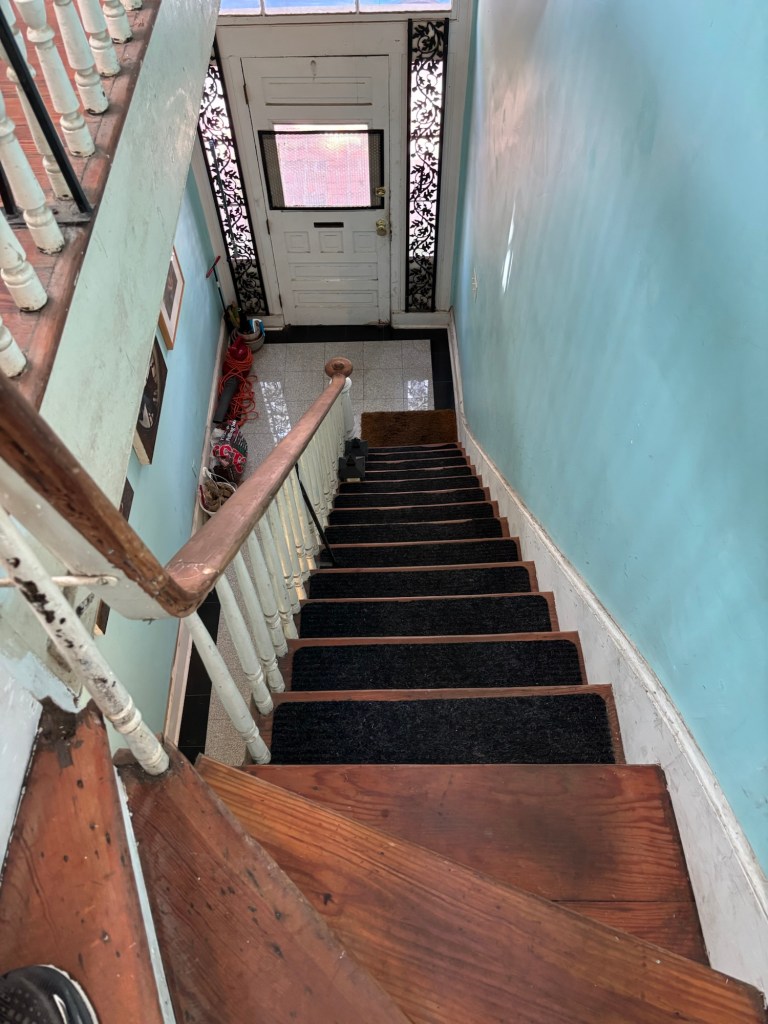
And with creaky knees, I tackled the narrow 1850s stairwell and headed outside into yet another new day.
From 1914 to 1918, Flanders Fields was a major battle theatre on the Western Front during the First World War. A million soldiers from more than 50 different countries were wounded, missing or killed in action here. visitflanders.com
The poem, ‘In Flanders Fields’, by John McCrae, went on to inspire the use of the poppy, which once grew on the battlefields of Flanders Fields, to become an enduring symbol of remembrance across the world.