I’m Hot but Happy. 98 degrees yesterday here in Savannah (heat index way over 100); 95 today. Whew. But unless I’m having heat tremors, here’s what I’m happy about today.
1. Seeing Love listed as an ingredient on a product label.
But kale? KALE?? Seriously?
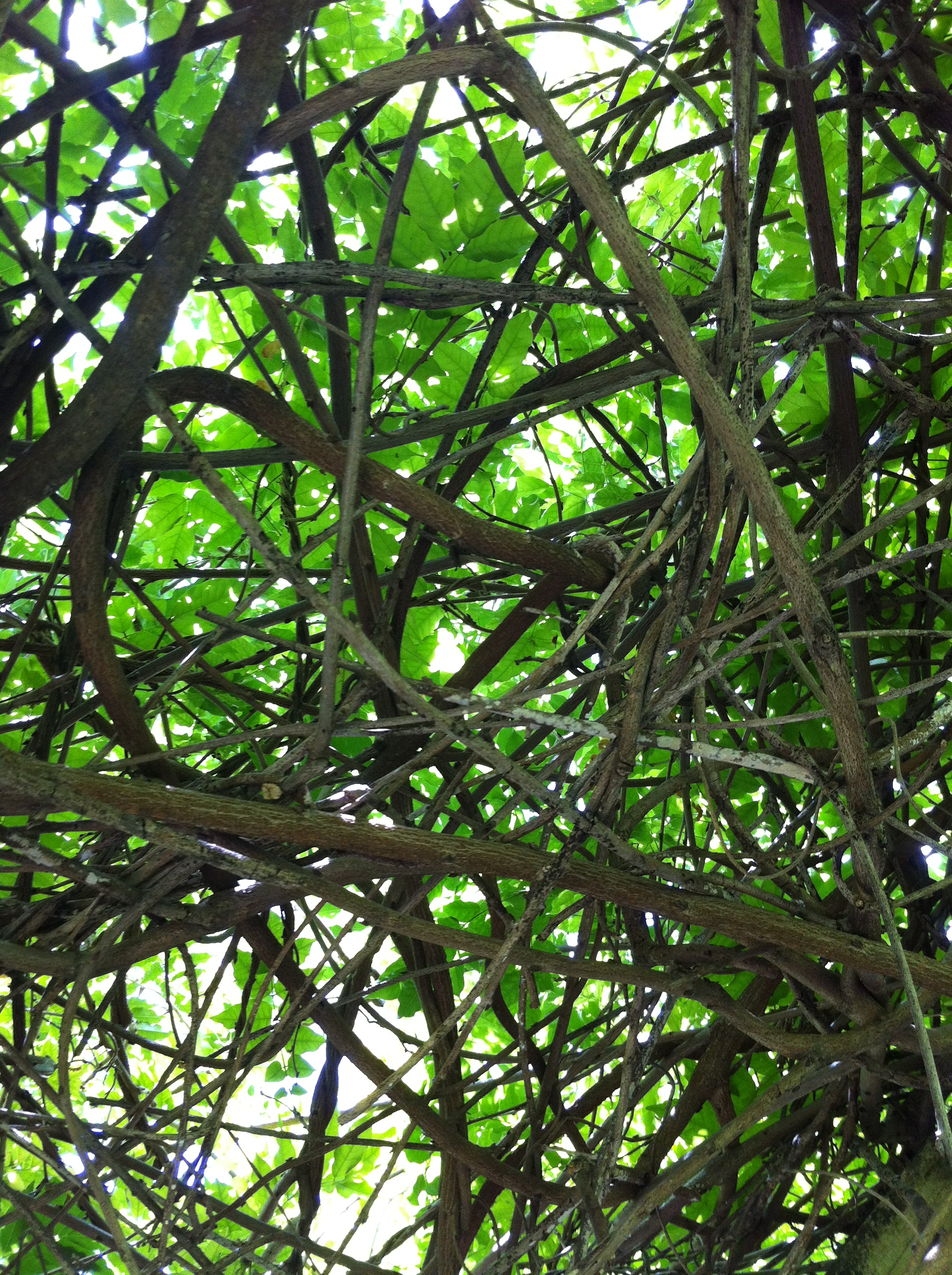
2. The surprising, intricate beauty of looking up in Savannah.
3. My good buddy Riboclavin …
… without a thermometer. Okay, so maybe he doesn’t seem to be enjoying his food 100%, but still, he’s sitting in the sun, getting a vitamin D boost.
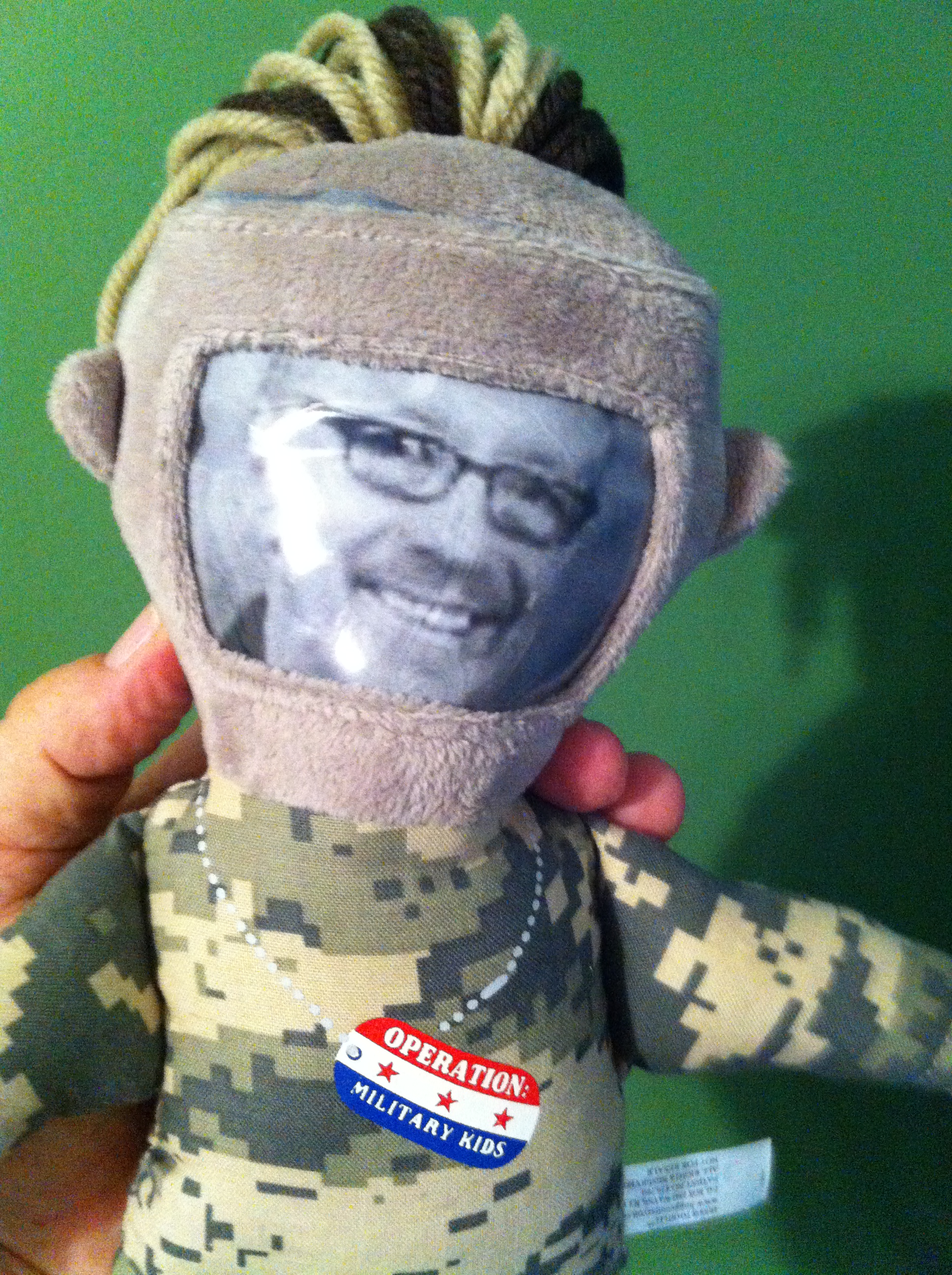
4. As some of you know, my grandkids call me “Abu” (Cuban/Hispanic shortened version of grandfather) because I thought “grandfather,” etc sounded entirely too paternally old. Well, six-year-old Daniel and three-year-old Gabriel are WILD over Skylanders. If you don’t know what I’m talking about, DO NOT try to figure it out. It’s far too complicated. But the Skylander franchise is basically taking over the world, of kids. Anyway, I recently told D and G that a brand new, exciting Skylander figure had just come available on the market, AbuForce!
The three-year old bought it for minute until the six-year-old exclaimed, “No way, Abu. You’re joking again.”
“I am not,” I lied. (Why does that trait come so easily to me?)
“Prove it, then,” smart-mouth Daniel challenged.
“Okay I will,” I responded, having no clue how to do so, or even what I meant.
“When?” he asked, a little smart-mouthier.
“Tomorrow,” I easily answered.
Sometimes, angels come your way. I told my friend Robert about my dilemma. He laughed and said he might be able to help. It seems the U.S miltary has a program called Huggs-to-Go, providing dolls for children of service men and women deployed. The figures have a place at the face for pictures of dad or mom, etc. Since Robert is retired Army and currently works at Hunter Army Airfield, he somehow managed to get me two of the dolls.
I presented the AbuForce figures to Daniel and Gabriel the next day. Both, in shock that there really was an AbuForce, melted my heart with their excitement over my little joke.
And the following day, they brought unparalleled joy to my heart when they both told me that they slept with AbuForce.
It never fails. And I’m glad it doesn’t. Whenever I see yellow gladioli, I think of Peter. I saw some today.
Peter Christopher taught creative writing in the Department of Writing and Linguistics up at Georgia Southern University (where I taught for twenty-four years). He was a colleague and a friend and the fiction person on my dissertation committee when I got my doctorate.
And Peter died far too early in 2008 of liver cancer.
After his passing, I reminisced about Peter’s impact on my life. Here’s that remembrance:
*****************
Peter, “Something Blooming, Something Found” and the Glorious Gladioli
Somehow, yin-yangishly I suppose, Peter’s smile carries both playful humor and serious authority as he says to me, “Here’s what I want you to do, Neal.”
“Take all that,” Peter points at the pages and pages of text I have been rather proudly producing for weeks before asking/begging him to be the fiction person on my dissertation committee, “and put it aside–or throw it away.”
My dissertation is going to be an examination of how fiction can be used as a type of educational research, as a way of knowing. And as part of my work, I want to write a novella which illustrates, through the characters and plot, various educational stances I have studied and enjoyed. But I’m not a fiction writer, and I don’t really know how to get there. I want Peter to sort of help quickly guide me through the process, tell me I can do it, be a cheerleader of sorts.
“Uh, well, you mean I’m not going to be able to use this?”
“Maybe. We’ll see. But for now I want you to forget everything you’ve written and have planned so far. Here’s your homework.” Again the smile–the smile that is beginning to get on my nerves just a little. “For two weeks and for about an hour or so a day, I want you to freewrite.”
“You mean, just write about this novella idea I have?”
“No, Neal, freewrite about you. About your life, what’s going on, what’s been, what’s to come. About your inside life. Your outside life. Your family. Work. Friends. Faith. Anything that comes to mind. Don’t stop for an hour–just write.”
My thoughts at this moment: “Peter, are you CRAZY? I am teaching full time. I am on a deadline. I do not have the time or interest to play your little freewriting game. I just want to get this thing finished. So no, I CAN’T and I WON’T do that. And by the way, you’re supposed to just ENCOURAGE me, be my CHEERLEADER.”
My words at this moment: “Oh, okay.”
After the frustratingly productive freewriting, which ends up changing in wonderful ways the entire story I will tell, Peter and I begin three months of tortuous joy. I learn from a master. Our weekly schedule goes something like this:
1. Neal spends hours and hours and hours writing for a week. Usually trying to get one scene done. 2. Neal puts his folder of work (pretty good work in Neal’s mind) into Peter’s mailbox at the end of the day. 3. The next afternoon Neal gets up from his desk and walks halfway across the hall towards Peter’s office, changes his mind and walks back to his own office and sits down. 4. Neal feels silly at this childish behavior, gets up again and walks three-forths the way to Peter’s office, then returns to his own office once again. 5. Neal calls himself all sorts of shaming names and finally walks all the way into Peter’s office, often simply because Peter has seen him walking back and forth, and tells him to COME IN. 6. Peter smiles. 7. Peter speaks: “I can tell you put a lot of work into this, Neal. But….” 8. Neal revises. And revises. And revises. 9. Neal realizes Peter is gifted beyond measure.
When we approach the end of the novella work, and I am fretting over a title for it, Peter tells me with a laugh, “Don’t worry about that. I’m good with titles. I’ll come up with one. My gift.”
One of the young characters in my story, Kellie, LOVES flowers, grows them everywhere she can. Her favorite is the yellow gladiolus. (“It stands up in a garden. It’s not afraid to be seen.”) And since my tale shows a small group of high school students who come to realize that they have viable voices which are important and should/must be heard, Peter names my novella, “Something Blooming, Something Found.”
I am nervous as the dissertation defense begins. I have foolishly invited folks from across campus to attend and quite a few are here. Days before, when I asked Peter his advice about defending, he said that I should forget the negative concept of defense and just let my novella’s characters speak. So that’s what I do.
I look at all those gathered in the Dean’s Conference Room in the College of Ed, take a deep breath, and begin my defenseless defense. As I start, I see and sense Peter (“rock” in Greek) confer upon me three things: his trademark encouraging smile; a subtle and hidden to all but me “you-can-do-it!” thumbs up; and the realization, as my characters begin to breathe and speak, that something is blooming in me, and I am finding something, something I have not really grasped or undertsood until this moment in this room: I am a writer, not just a teacher of writing.
The next day, I walk into Peter’s office (without the ridiculous false starts) and present him with a bouquet of proud yellow gladioli. He hoots in delight. Hours later I hear a tap on my door, look up, and there he stands.
“Neal, I have been sitting at my desk looking at your flowers. Really looking at them. Seeing them. They’re lovely. They are so intricate, the way they turn and twist,” he says as he makes a circular gesture with one hand.
“And there’s really only one word to describe them: GLORIOUS. They are glorious. Thank You.”
We chat and laugh a while. Then Peter leaves.
But that’s okay. He’s just across the hall.
[I write this in present tense for two reasons: One, Peter has me write my novella in present tense. And two, in ways that are important, perhaps most important, transcendent, eternal, Peter is with us. Ever will be. His smile that you and I came to appreciate so so much. His always gentle spirit. His instruction he gave to so many. His embodiment of encouragement. His model of living. And His beautiful closing for each email and note he penned–“All thrive!”]
***********************************
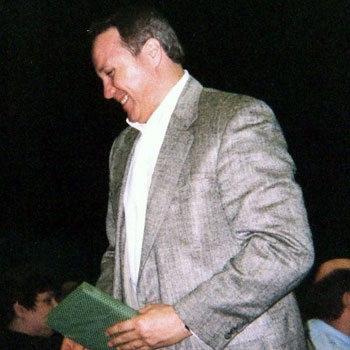
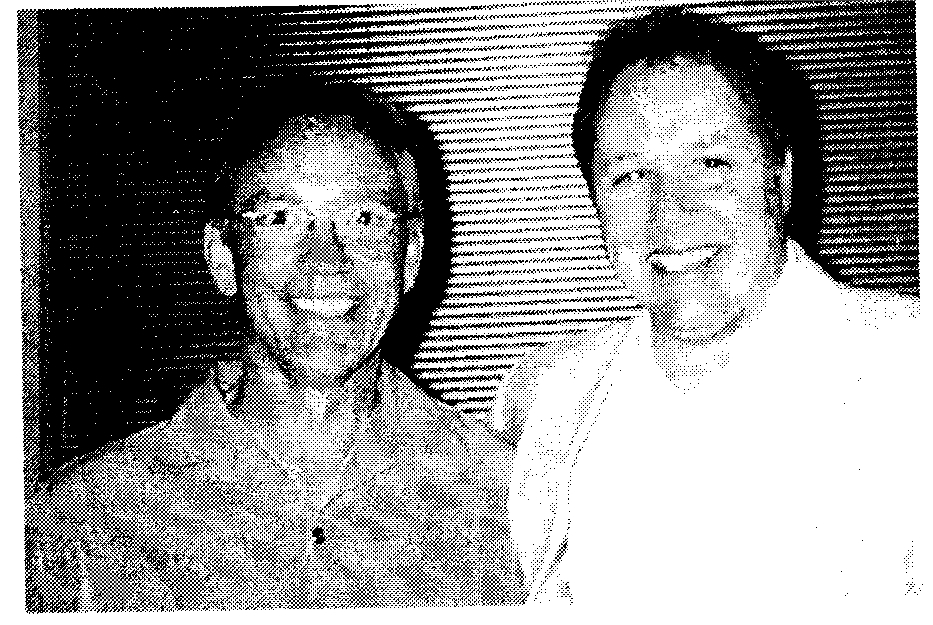
Here we are after I defended my dissertation:
On a whim, right before I published this post a few moments ago, I typed “GSU + Peter Christopher” in a search engine. A Rate My Professor link from 2008 popped up. One student wrote:
PC was my mentor. I took every writing class he taught. Writing was only a minor when I went to GSU… I would have majored if I could have. He was a dear friend. He taught me more than just how to be a good writer, he taught me how to love life — to have a passion for life. He is gone from this earth, but never from my heart.
Rest peacefully, Peter. We remember you with appreciation and love.
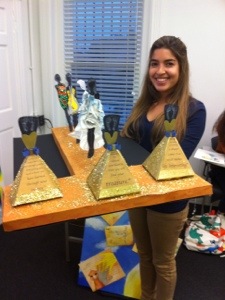
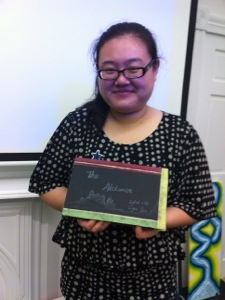
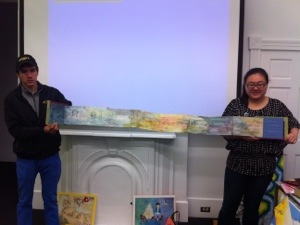
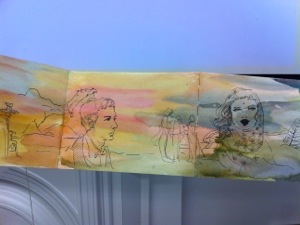
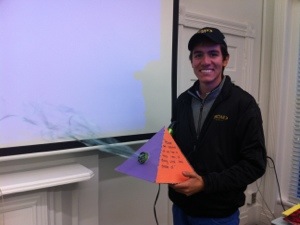
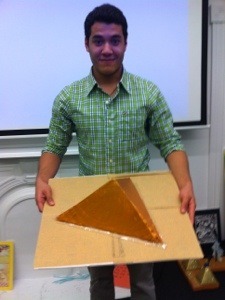
1. Samples of some of my SCAD international students’ work turned in this week. The assignment is called the Visual Essayand is based on a book we read, Paulo Coelho’s The Alchemist. After reading the book, the students choose a theme, a character, a symbol, an idea, etc, and “make” their essay, using the composition concepts of thesis, structure, organization, support, and detail to get their point across. Here are some completed projects.
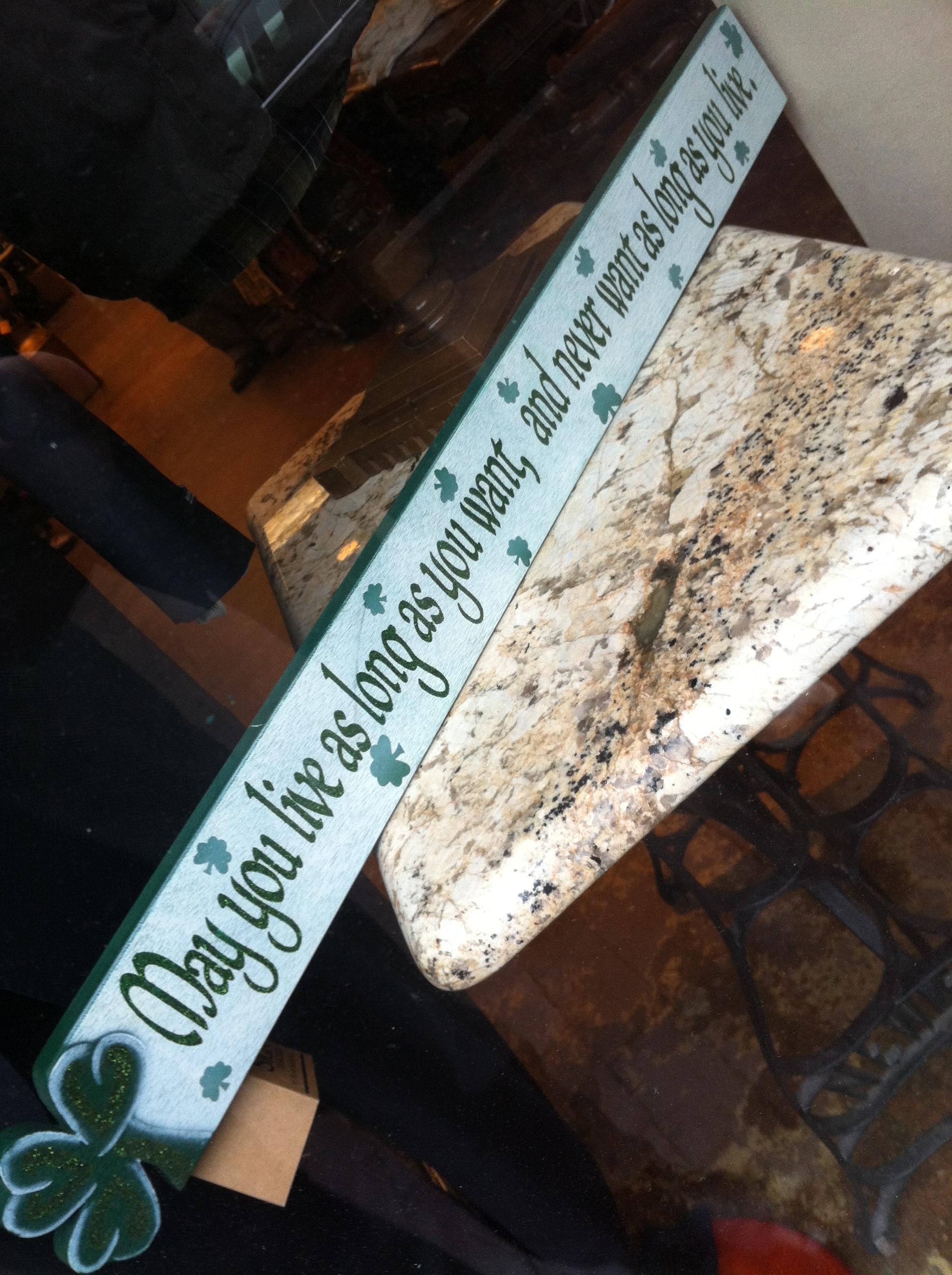
2. My obsessionwith Irish blessings, quotes, and anything Savannah-St. Patrick’s Day-ish:
“May you live as long as you want, and never want as long as you live.”
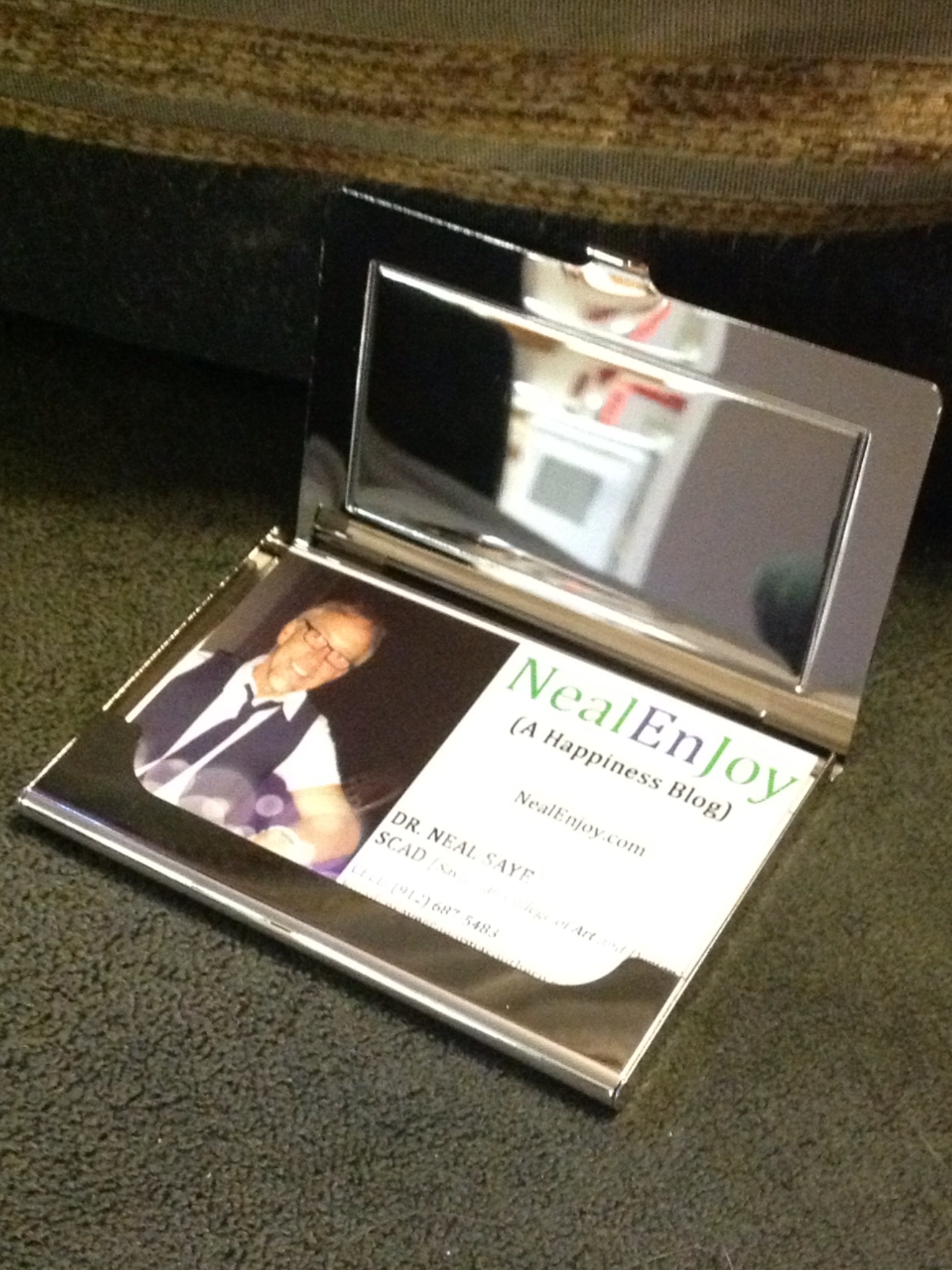
3. My brand-spanking-new NealEnJoy blog card holder (and cards):
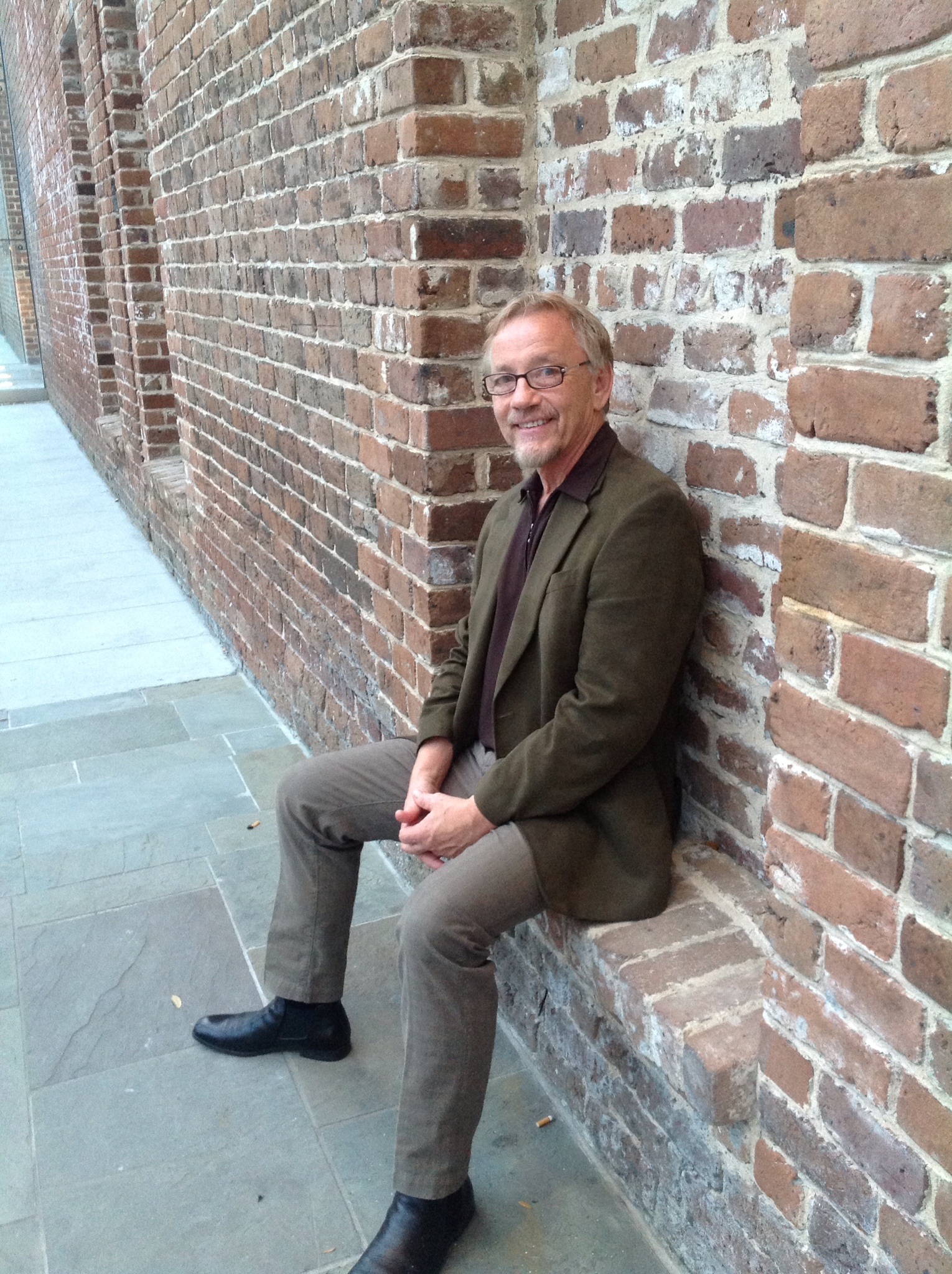
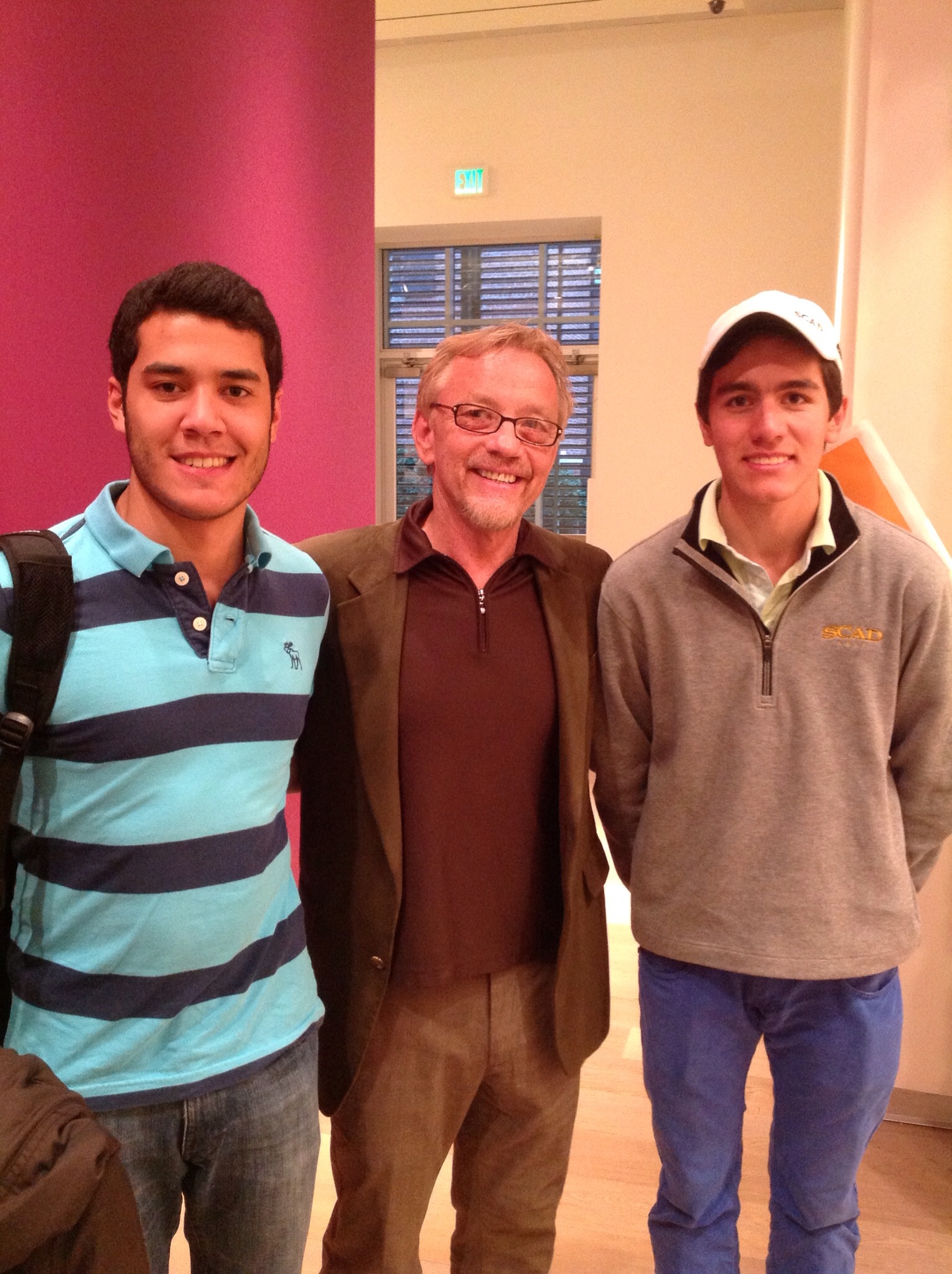
4. A picture that doesn’t make me look too fat:
(Can I wear skinny jeans at my age?)
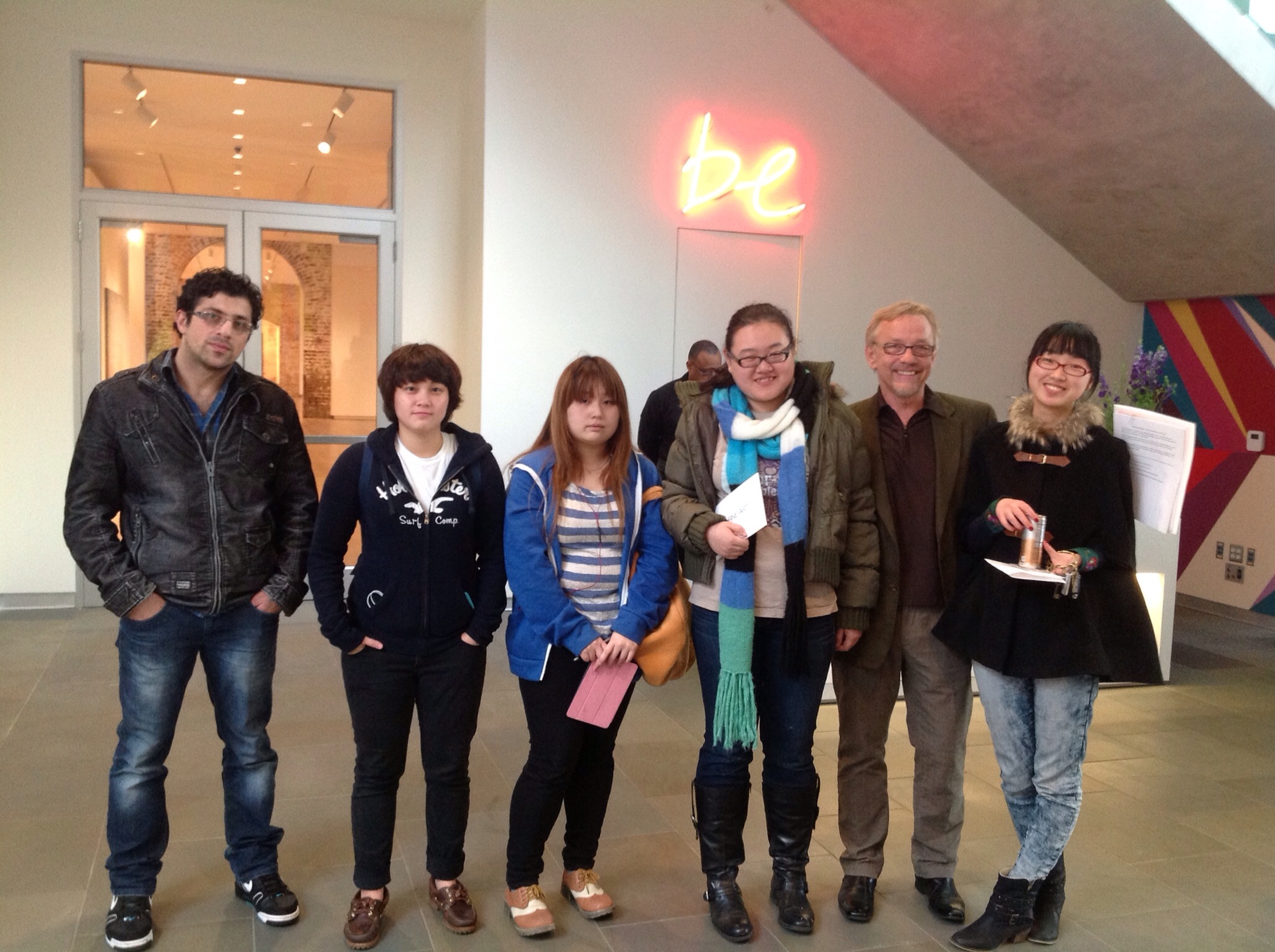
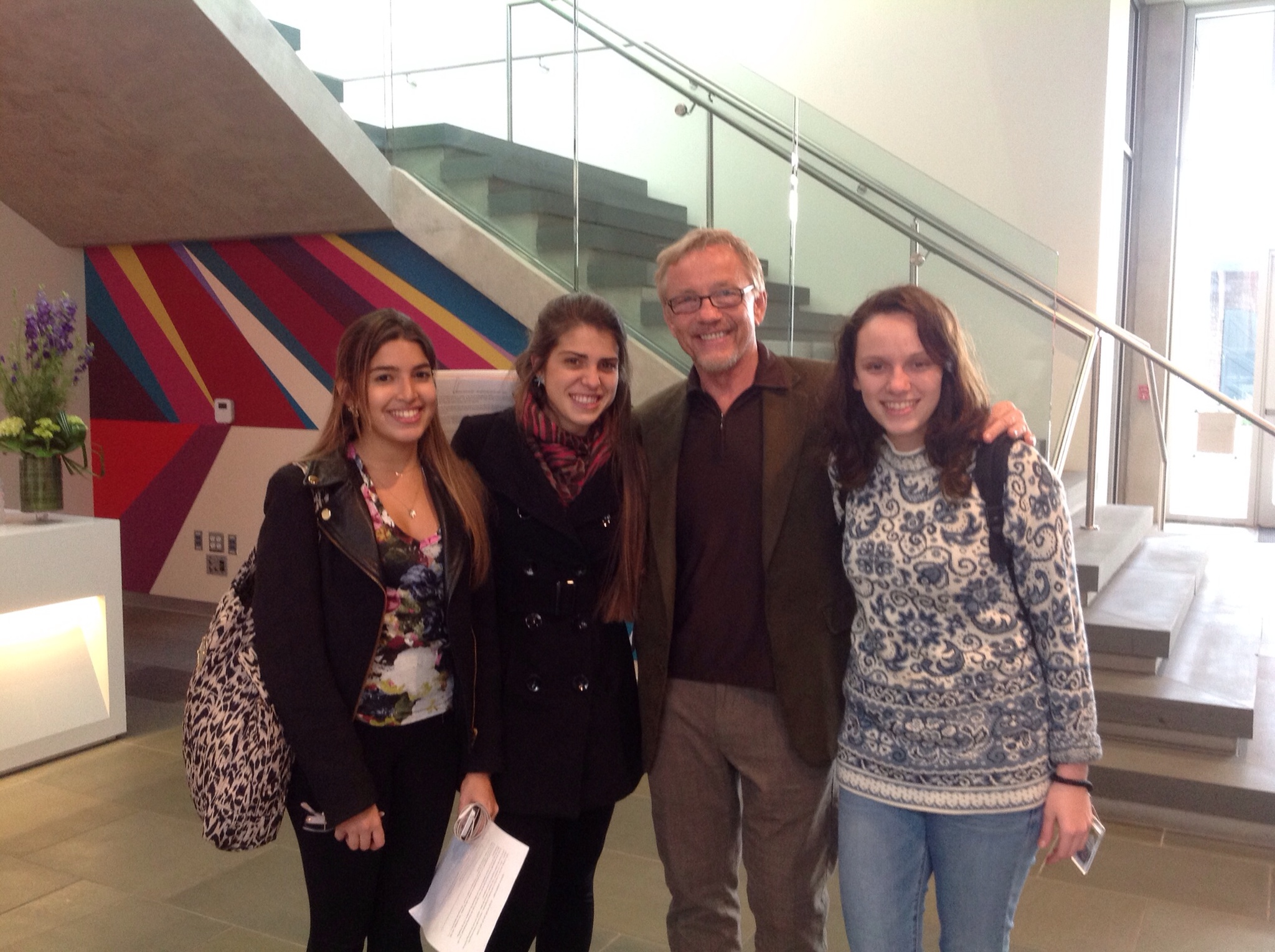
5. Taking my ENG 193 (Composition for International Students) classes on a really fascinating docent-led tour of the exhibits at the SCAD Museum of Art during the recent DeFINE ARTevent (which was actually held at three of SCAD’s campuses in Savannah, Atlanta, and Hong Kong).
[More complete blog post on the museum tour to follow soon.]
In preparation for tomorrow’s keynote address at the Student Success in Writing Conference here in Savannah, I am reblogging this pertinent and moving post. We learn, we teach, we learn. Then we teach, we learn, we teach – indeed a Circle of Life, my readers.
As I mentioned in a previous post, my father-in-law passed away earlier this week. Death, of course, is difficult for anyone to cope with, but perhaps especially so for young children. Because they are still so close to birth, little beings of the morning, and because their life experience has been with newness and fresh discovery, with joy and giggles, death must seem unfathomable, foreign, outside of understanding.
But like most kids, my four-year-old grandson Daniel likes to understand: “Abu, why can’t I sit on top of your car? I could see a whole lot better.” “Abu, my teacher won’t let me bring my sword to school and fight like the blue Power Ranger. Why not?” “Why can’t I say potty words?” “Why do we have to wear clothes when it’s hot?” “Why?” “Why?” “Why?”
When his parents arrived at the funeral home north of Atlanta the other evening, they told me that Daniel had, as usual, been plying them with questions about the current subject which went beyond his grasp–his great-grandfather’s death. “But if Papa is in heaven, why will everyone be sad?” “Where IS Papa?”
I played with Daniel and his little brother Gabriel in the large kitchen area of the funeral home, where friends had brought mounds of food. Their mom and dad, Amy and Orte, walked through large white windowed doors and down a narrow hall that eventually led to a sitting room where the family received guests who came to pay their respect and offer condolences. Papa looked pre-cancerous in a striking gray suit, snow-white shirt, and brown and gray tie patterned with tiny crosses. He had been a Methodist minister in the North Georgia Conference. A large United States flag, achingly resplendent in red, white and blue liveliness, lay across the unopened lower half of the coffin. Papa was retired Air Force.
Every few minutes, Daniel ran over to tiptoe and peer through the windows of the white doors, gazing down that long hallway which twisted and turned but allowed no view of Papa. “Where are Mama and Daddy? I want to go too.” A few minutes later: “Why can’t I go in?” “Is Papa in there? Where?” “Let’s go in there, Abu.”
A while later, when we were eating lasagna in the kitchen, Daniel was still asking, asking. I made a decision, a decision you may not have made. I asked Daniel’s mom and dad if I could take him in to see Papa. They agreed, mainly (I think) because they trust me, and they know how much I love D.
I picked Daniel up and asked him if he knew what had happened to Papa. “He died,” came the quick answer. I told him that yes Papa had died. “And he’s in heaven,” Daniel added. His confusion centered on who or what was down that hall that everyone kept traversing. He wanted understanding, answers. He wanted to walk down that hall.
So we did.
The kitchen had been noisy with visitors loudly talking, eating, reminiscing, and occasionally laughing at the past. Its tiled floor amplified the clicks of my boot heels as we walked, Daniel in my arms, toward those doors, dividing doors which in my grandson’s mind led to answers. As we passed through them, my heels, like everything and everyone on that other side, grew quieter on the deep carpet.
We entered the viewing room, and walked past adults talking in hushed tones. Daniel kissed his Nana (Donna is the oldest of the four daughters of Papa), then his Great-Grandma, who sat regally next to the coffin. But his eyes were looking, searching.
Not expecting Papa to be lying down (why didn’t I think to tell him that detail?), Daniel finally found his great-grandfather.
He looked for a while, and finally asked quietly (Daniel doesn’t usually do “quiet” very well), “Is Papa sleeping?”
“No, not really sleeping. He died, remember?”
We stood there for about a minute, Daniel getting heavy in my arms.
“Are you ready to go, baby?”
“No.”
Other folks waited patiently for their turn behind us. Daniel started to lean over toward the coffin, paused and looked at me for permission (and like “quiet,” D doesn’t always do “permission” well). I nodded, and Daniel touched the white satin edges of the liner and then Papa’s right arm.
Giggling just a bit, Daniel said, “It tickles.” I smiled.
“You ready now?”
“Yes.”
We walked back through the hall, toward the kitchen. When we got to the doors, I saw through the windows my daughter Amy and Orte, waiting. I put Daniel down, and he pushed open the door. His dad asked him, “Are you okay, Daniel?”
But he was already off, running on the noisy tile, chasing his little brother. Doing “loud” once again.
In preparation for tomorrow’s keynote address at the Student Success in Writing Conference here in Savannah, I am reblogging these three pertinent posts. EnJoy!
JoyInciter = a strategy or practice which can bring greater happiness in life
I would like to introduce you to what I call the JoyInciters, a collection of simple practices which I use regularly to increase the level of happiness and joy in my life. And even though some folks make a distinction between joy and happiness, I use the terms interchangeably. I have collected these strategies from my study of happiness over the years, as well as my own life experiences, and have found them to be instrumental in moving me from not feeling good to feeling better, or from feeling okay to feeling happier.
I have come to have great respect for my feelings–they help me to know “where I am” at any given moment. I see them (all of them) as significant helpers in life. But I certainly don’t like them all. I’ve heard it said that we “live at the address of our thoughts,” and I would add that our feelings (sad, depressed, excited, happy, etc.) are most often set in place by our thoughts. Especially thoughts that we allow to become dominant in our minds.
My JoyInciters, if practiced authentically and regularly, WILL increase your joy. I like the term JoyInciter, and when I created it, I played with other similar “words,” such as JoyEnticer, JoyInsider, and JoyInsight, but I love the idea that some very simple things we can do will incite (def = spur on, push toward action) us to get to where we want to go. And I submit to you the belief that we all want to be happier.
I will be introducing one JoyInciter every week or so.
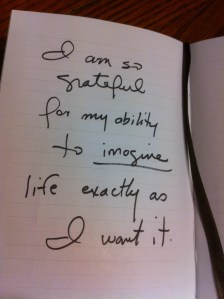
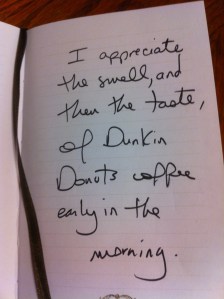
JoyInciter #1 is the most fundamental of all the strategies (and a practice which I imagine we all do to some extent): expressing gratitude. This is what I am suggesting–make being thankful a regular, conscious practice. And to help that endeavor, I keep an ongoing listing of what I’m thankful for, a gratitude journal or what I call my THANKSGIVING BOOK.
Everyday (or whenever I think of it), I write something down I’m thankful for. I have come to realize that what I write down is NOT the most important factor of this practice. But the LOOKING for thanksgiving is paramount in causing a shift in SEEING. And it’s SO easy. Right now as I type, I am grateful to be able to type, to have a computer and a smart phone, to have this popcorn I am eating, to have a bed to sleep in, etc. Two of my courses this semester are keeping gratitude journals, and we begin class each day by sharing what we’re thankful for.
I challenge you to consciously begin to look for that which you are thankful for (whether you use a Thanksgiving Book or not). To get started, tell me a few things you are grateful for right now. This practice is a definite JoyInciter.
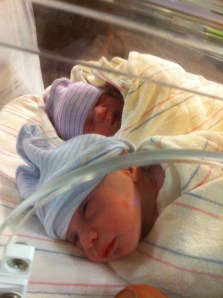
Over Christmas, I took this picture of my eighty-five-year-old mother, Geneva, and my five-month-old granddaughter Madison (of grandtwins Matthew and Madison fame).
85 years. 5 months. Two wonderful ages. Old and young.
“How old would you be if you didn’t know how old you were?” ~Satchel Paige
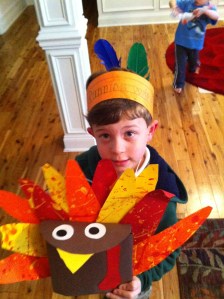
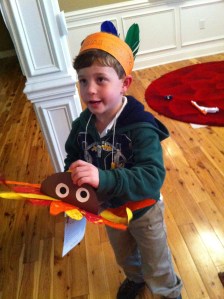
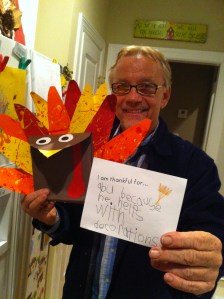
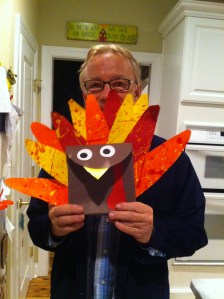
I picked up Grandson Daniel (5) from school yesterday, and, hopping into his back seat, he excitedly showed me his just-completed Turkey Basket (well, that’s what he called it anyway). As I soon learned, the turkey project was two-fold: first the cute little construction paper turkey itself. But as you can see in the pictures below, the front housed a nifty envelope (basket?) which held little gratitude or thanksgiving cards. For each note, Daniel and his classmates completed the statement “I am thankful for ____ because …” for their family members.
What a joy! Little ones expressing their thankfulness so sincerely. Below Daniel explains to me that his plan for Thanksgiving Day consists of waiting till “all the guests” have eaten “some of their turkey” and then “hand out the slips.” And he did just that–for all fourteen of the folks at the table. His mom helped him with some of the spelling, but the sentiments were exclusively his.
Here’s mine:
“I am thankful for Abu (that’s me) because he helps with decorations.”
(Okay, maybe that sounds a bit strange, but the day before, we had decorated for Thanksgiving with some outdoor lights. And a month earlier we had carved two jack o’ lanterns.)
What Thanksgiving Joy! We really all do have so very much to put in our Turkey Baskets.
Places–I love the poetic resonance of that word. Some places are special; you had them growing up, of course you did. And do now. Magical places. Special because of their cocoonishness, or their broad openness. Their smell, or their connection to friends or family. Their lightness, or darkness. Their safety, or risk.
So I was aghast a few years back when I attended a writing conference at the Sea Turtle Inn in Atlantic Beach, FL, and one afternoon decided to skip the meetings and drive down memory lane. I headed south to Jacksonville Beach to find the motel where my family and I vacationed from about the time I was six or seven till I went away to college. It had those wonderful bedswhere you inserted a quarter into the headboard, and the mattress vibrated! For fifteen minutes! My mother, father and brothers would all hop on. Who needed the Ritz?
I knew exactly where the Horseshoe Motel stood. I had been there SO many times as a kid. But I started to doubt myself when I passed the lifeguard station and came to the ridiculously sharp turn in the road far beyond my memory motel location. I can be dense, so it took me at least three to-and-fro trips before I realized (admitted?) that the place had been demolished for a condo. Sad. A childhood place gone for good.
I live in beautiful downtown Savannah, smack-dab in the middle of the nation’s largest historic district, to be exact. I can hear the huge freighters blowing their bass notes at night …
… as well as the clatter of horseshoes as carriages tour past Colonial Park Cemetery across the street.
I love walking the Savannah streets, breathing history.
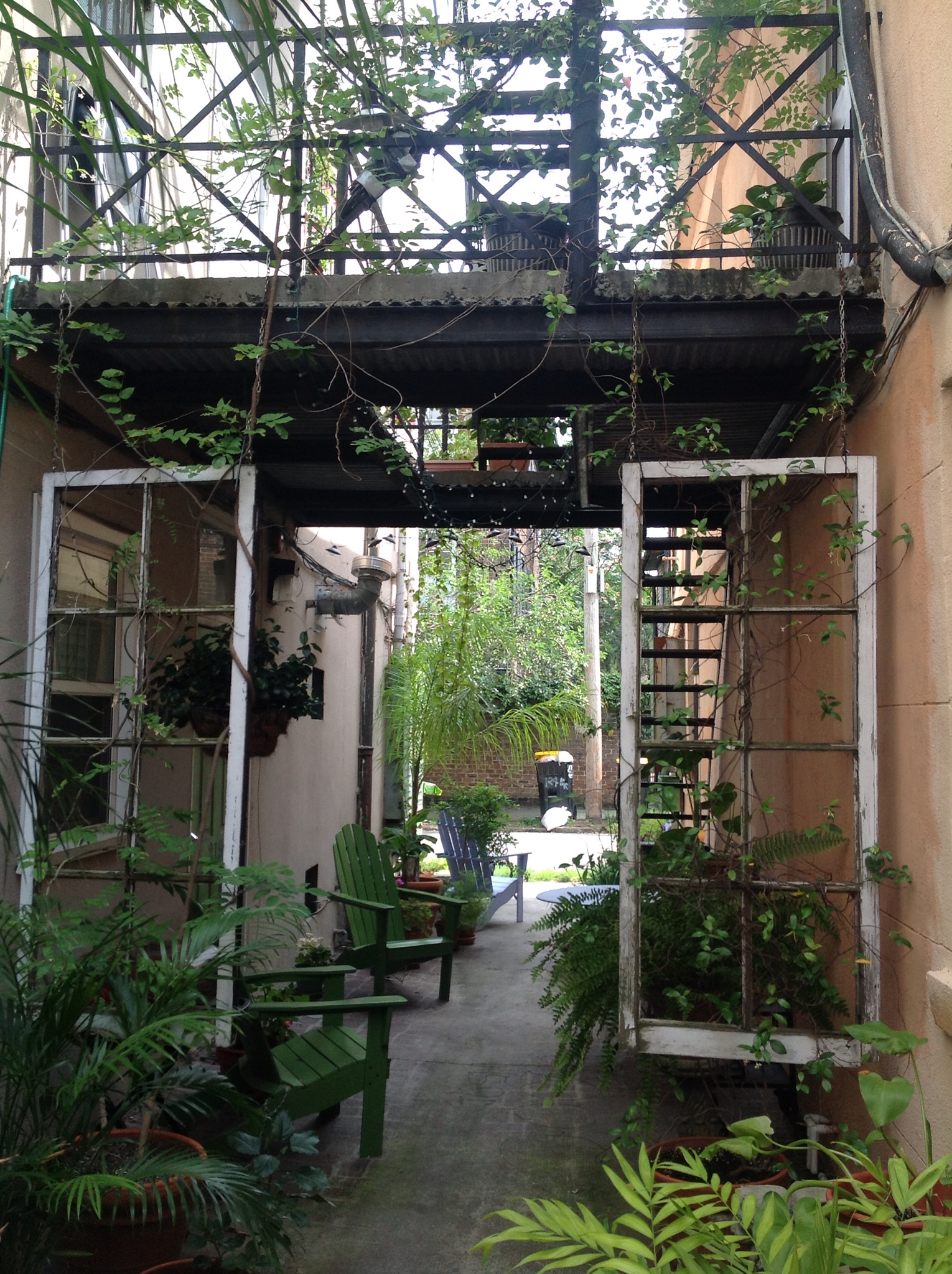
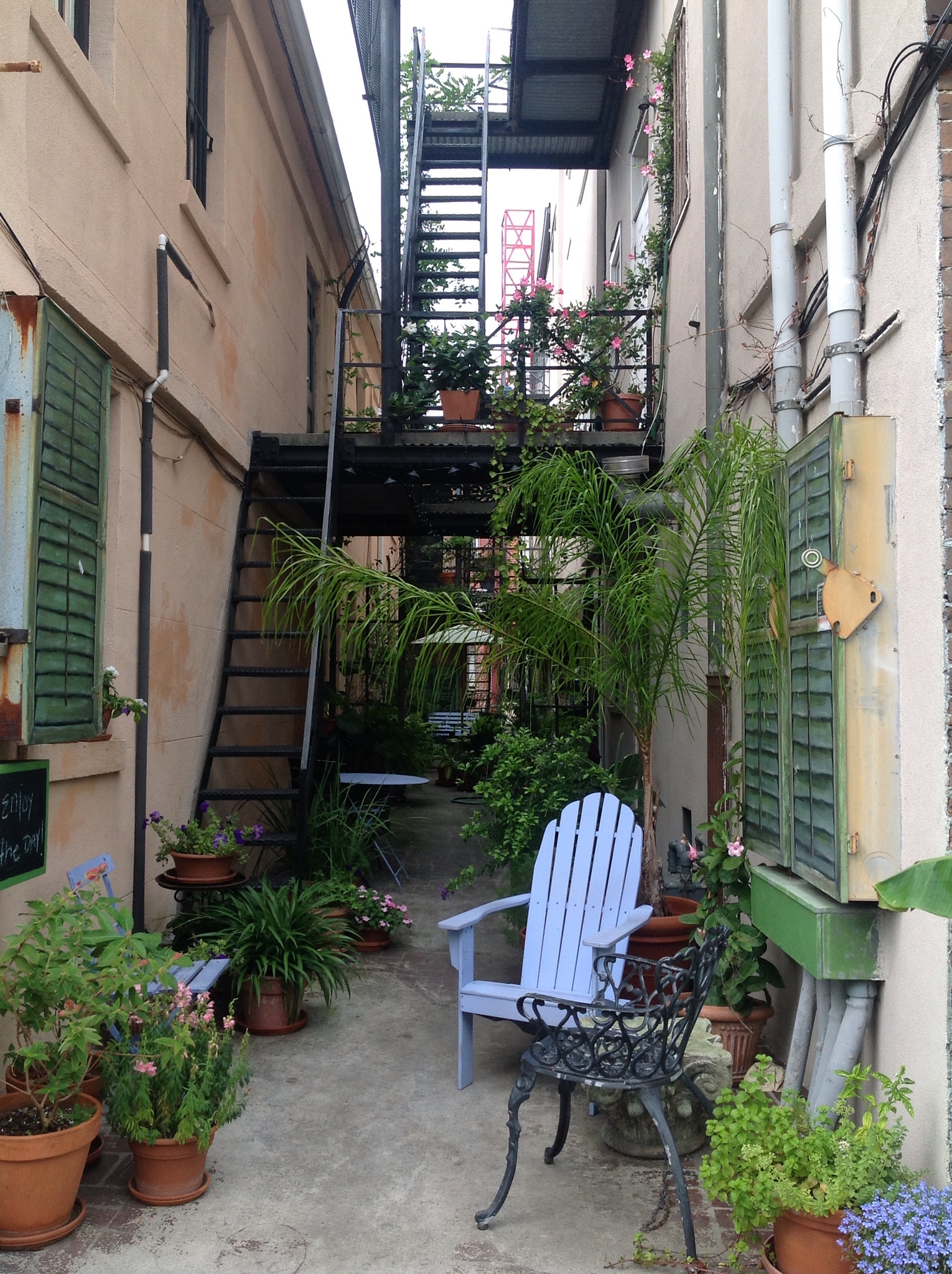
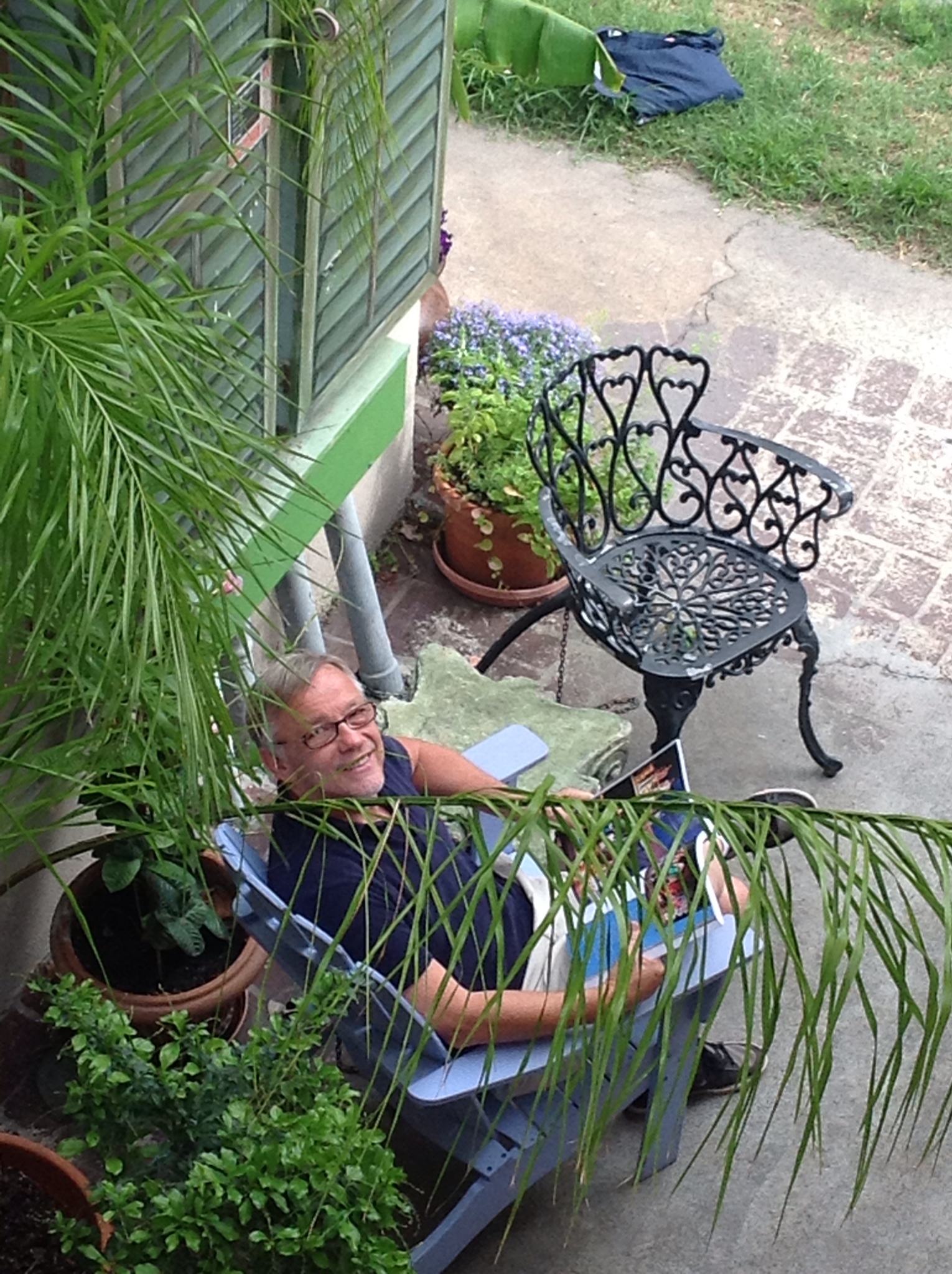
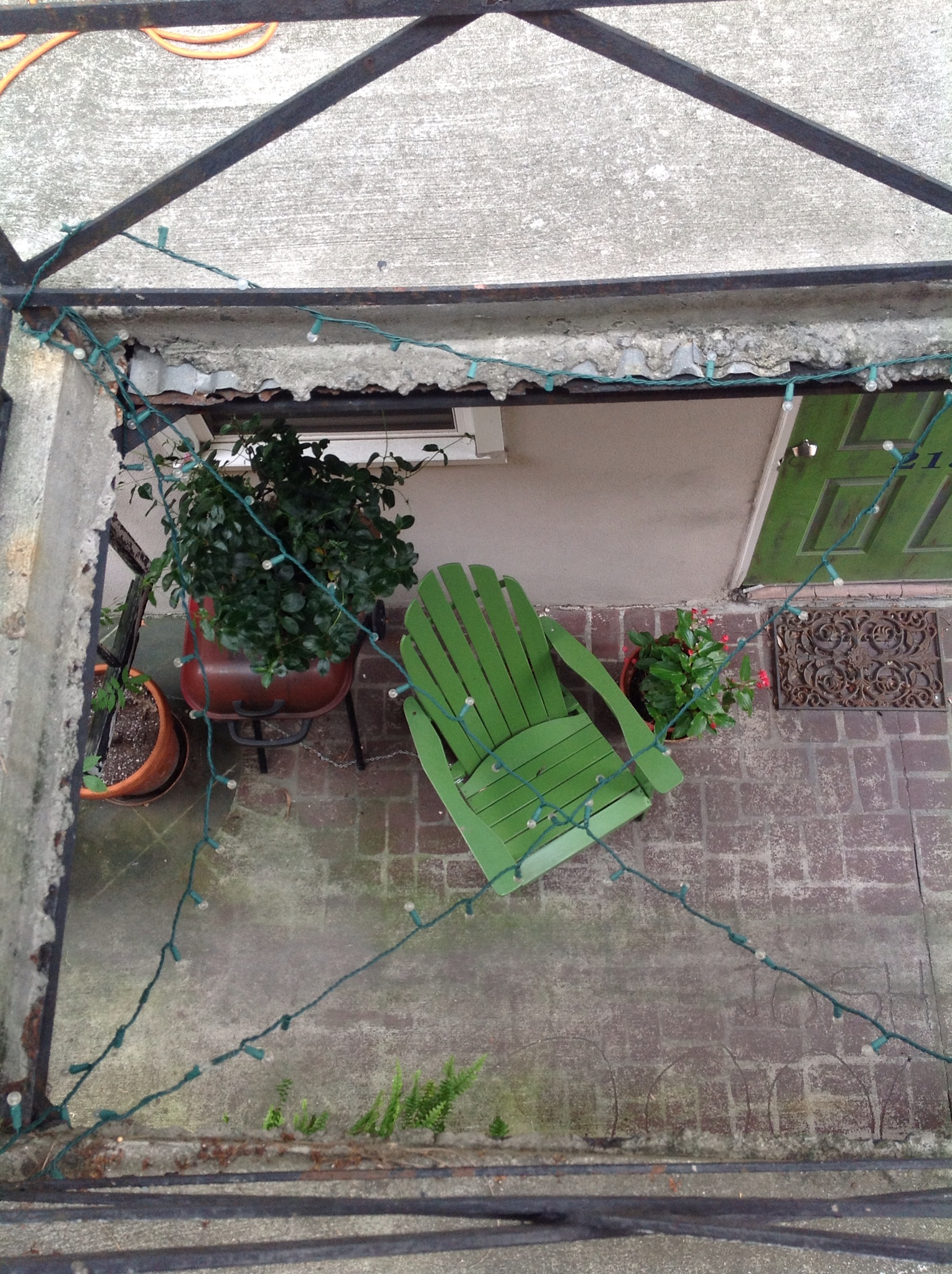
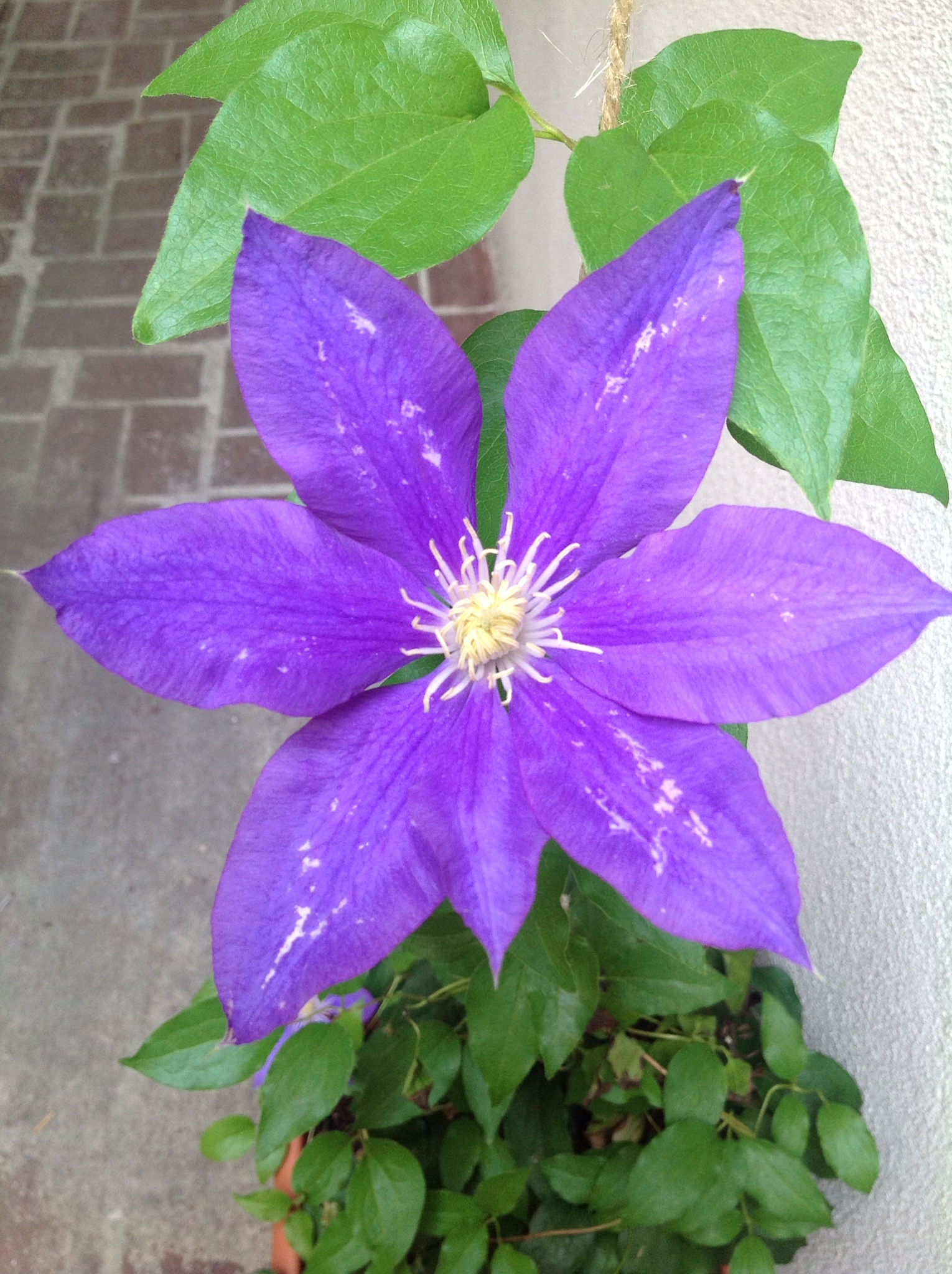
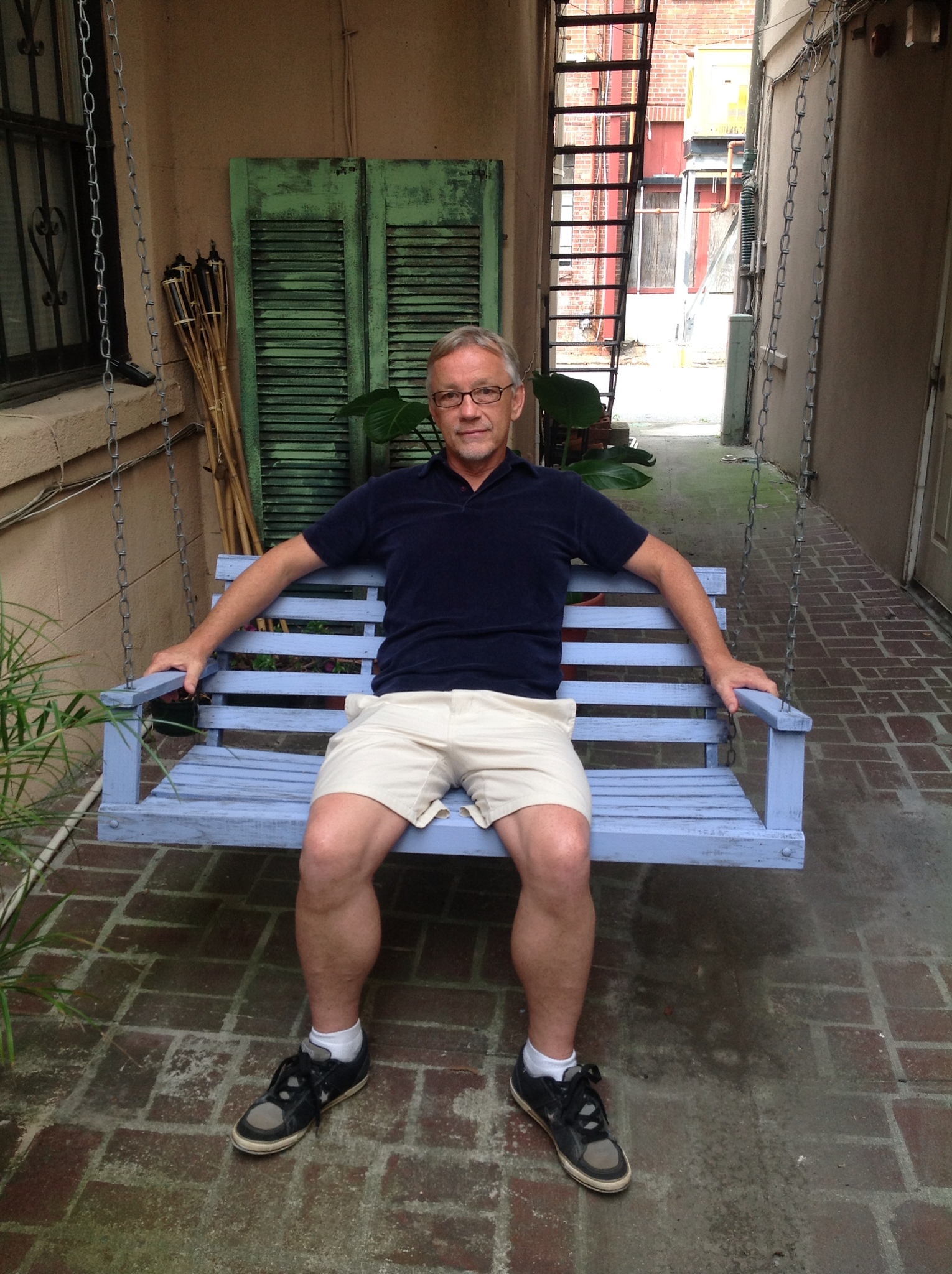
I don’t really have a backyard, in the traditional sense of the word. But, boy, do I have a backyard! It’s really a small alley, which runs behind the building where I live.
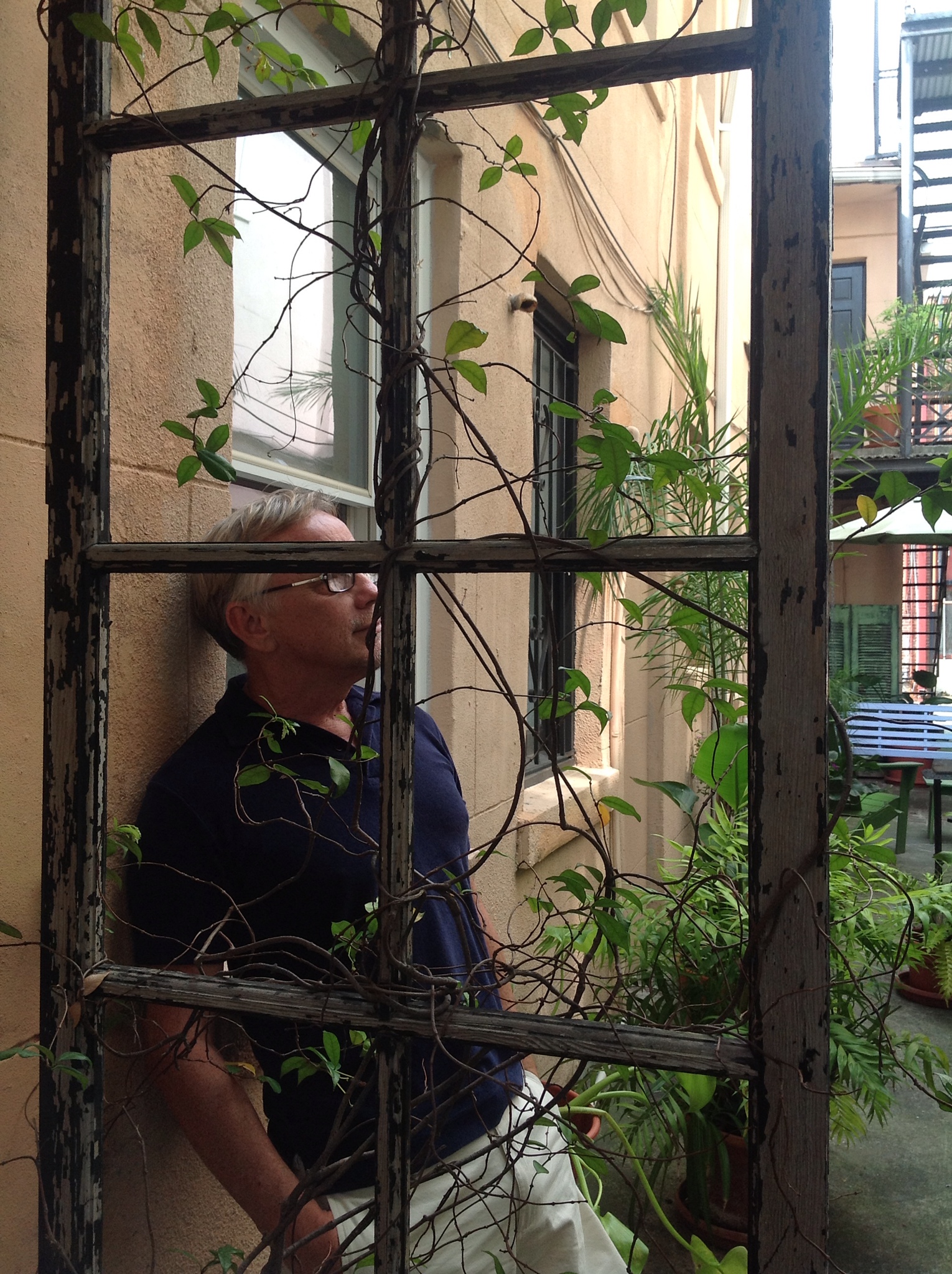
Even though it is communal, and somewhat small, there are hidden crannies where one can sit and read, or laptop, or daydream. It exudes a trace of otherwordliness, a fragrance of excursion. I step into my “backyard,” and suddenly I’m in Europe–Florence, Italy perhaps, trying to decide on which trattoria to frequent. I sit to read in its botanical wealth and am lost, not just in the book’s maze, but in the place, the green, the leafyness, the nowness of nature.
This place calls me to look up, to pause and see.
To view from unfamiliar perspectives and angles.
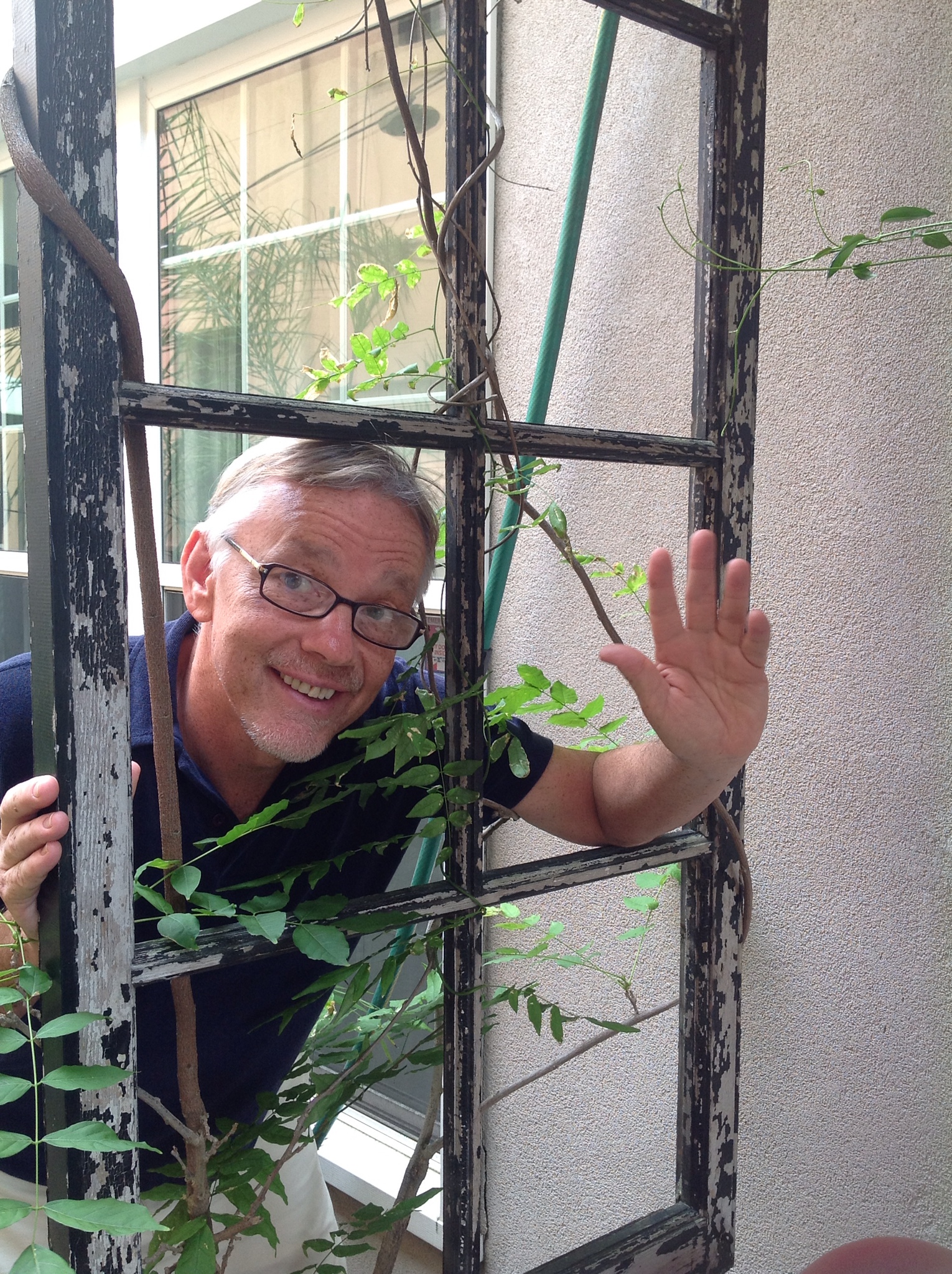
A tremendous perk of having place appreciation is that windows appear, and open (or shut), and allow you to see just what you desire to see. Or simply, and deliciously, to dream.
There’s power in place.
Both growth and potential growth. Both static and kinetic.
Sometimes sitting is all that’s needed in life. To embrace “is-ness,” accept “am-ness.” Breathing in, breathing out.
A sense and celebration of place, our place, they gift us with calm assurance that we are where we are, for good reason. That rhythm and movement take us (or keep us) where we need to be.
*
My backyard invites me to …
And such encouragement affirms the heart of this attempt at blogging.




































 Posted with Blogsy
 NealEnJoy