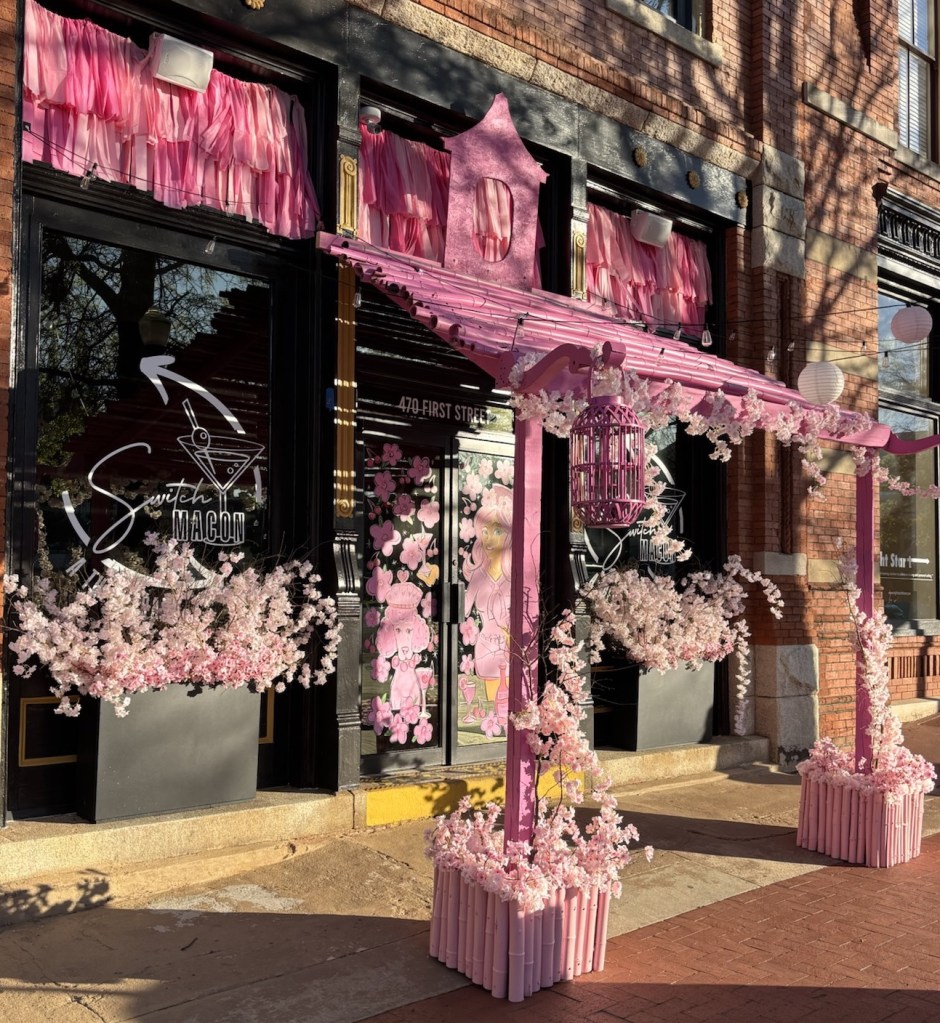
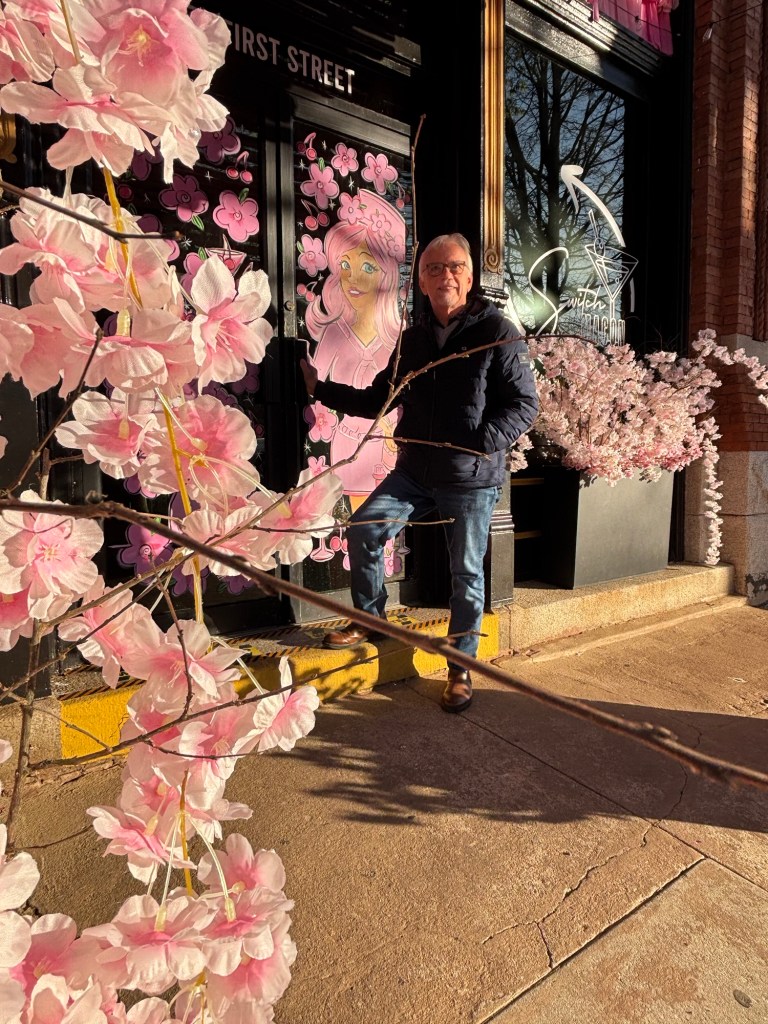
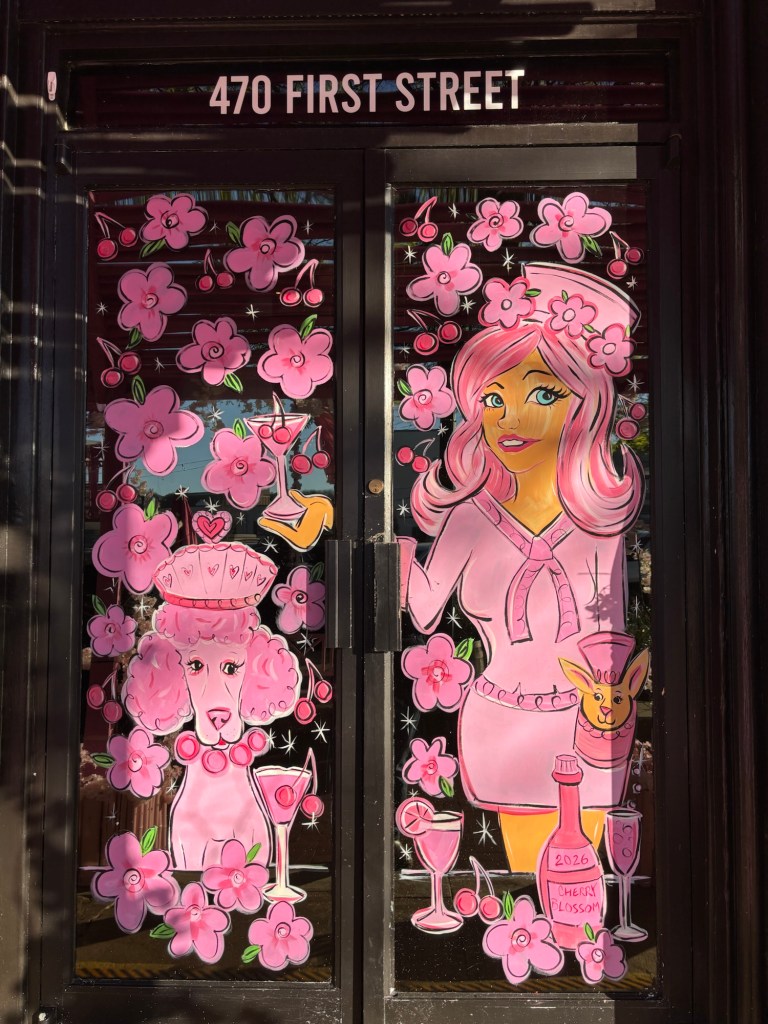
Today I’m joining in on the hoopla about doors on Thursday.
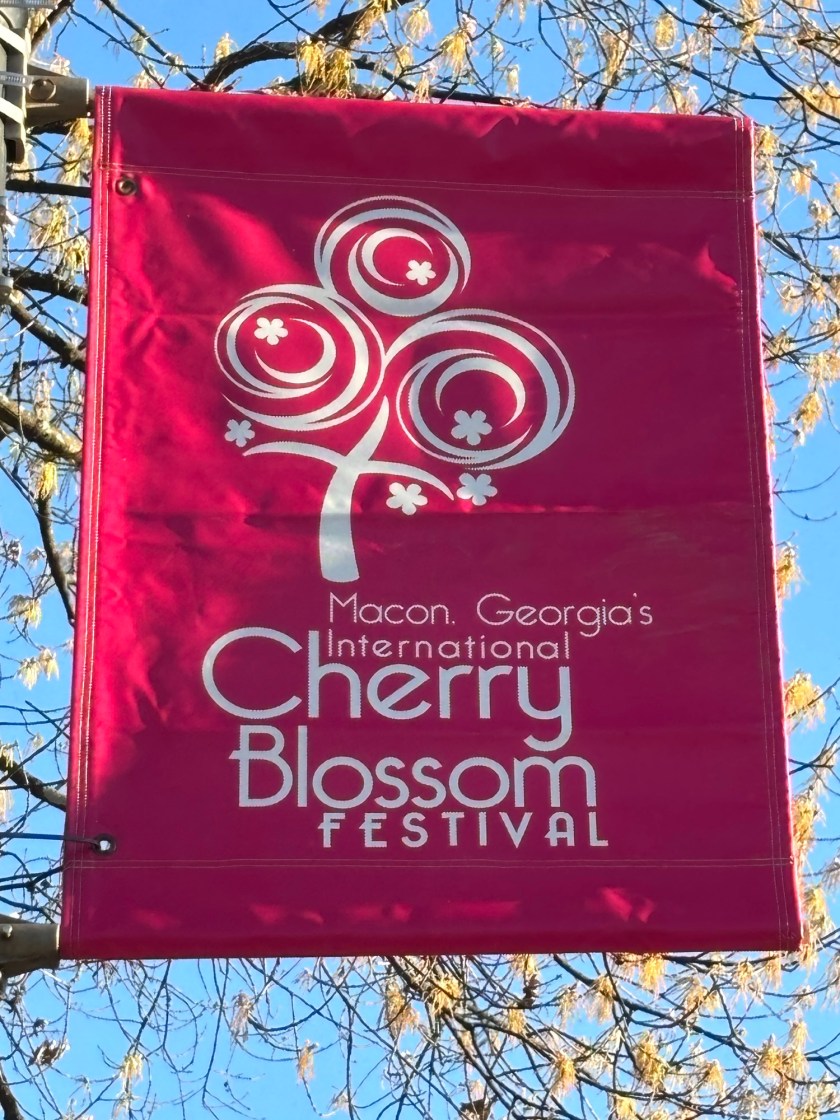
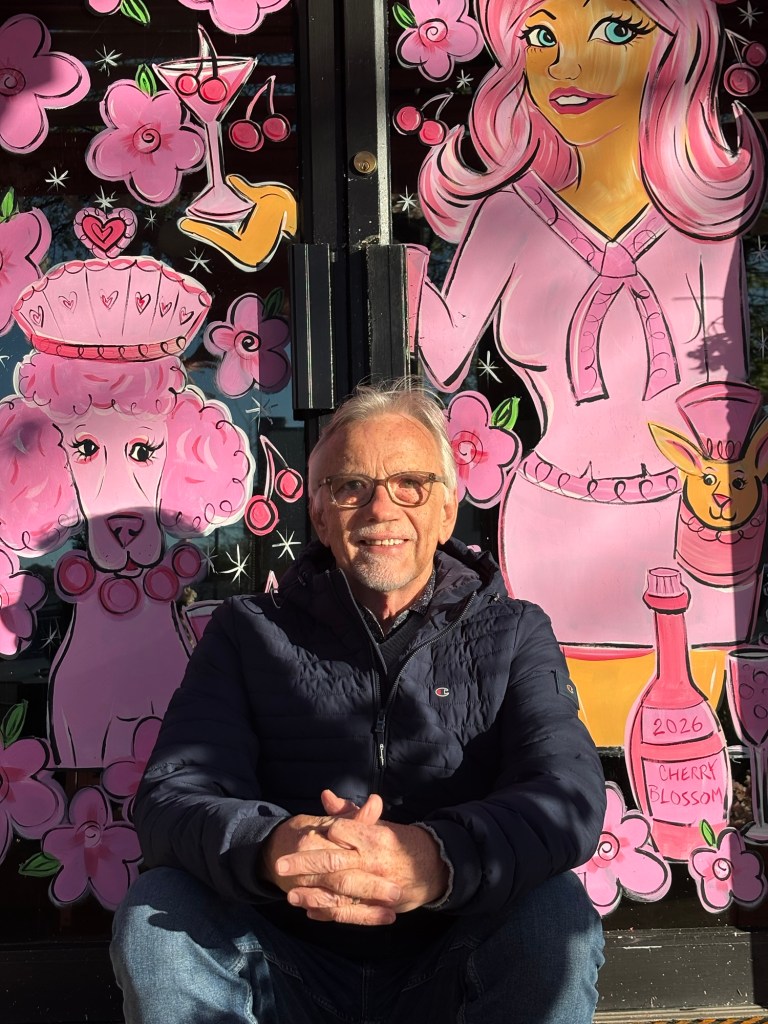
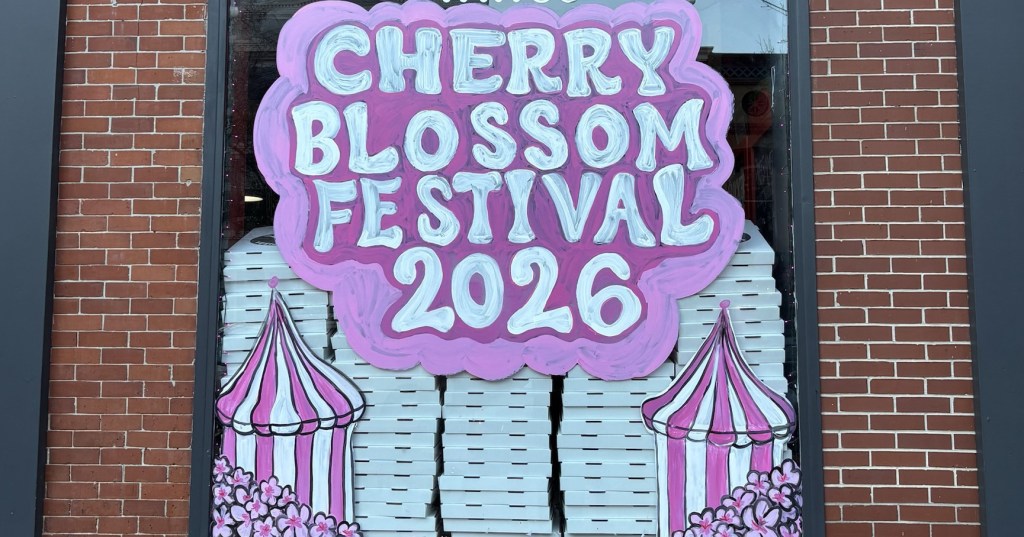
Robert and I are spending a couple of days in Macon Georgia. Walking to dinner in the historic district this evening, we came across these doors, all decorated for Macon’s upcoming Cherry Blossom Festival.
1. Making it through this morning’s part two (of a three-part procedure) to—hopefully/fingers crossed—help my chronic lower back pain.
The fun description: “CPT 64493 – Left – Facet Injection, Lumbar/Sacral, a shot of pain numbing substance in one level of the lower back using imaging guidance or detailed pictures to diagnose or treat lower back pain.”
I’m such a baby that even with local anesthesia, I’m sort of out of it for much of the day. But I’m back to the land of the living now, working on this post.
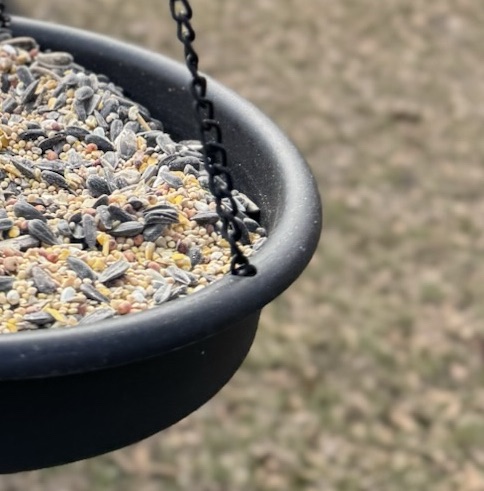
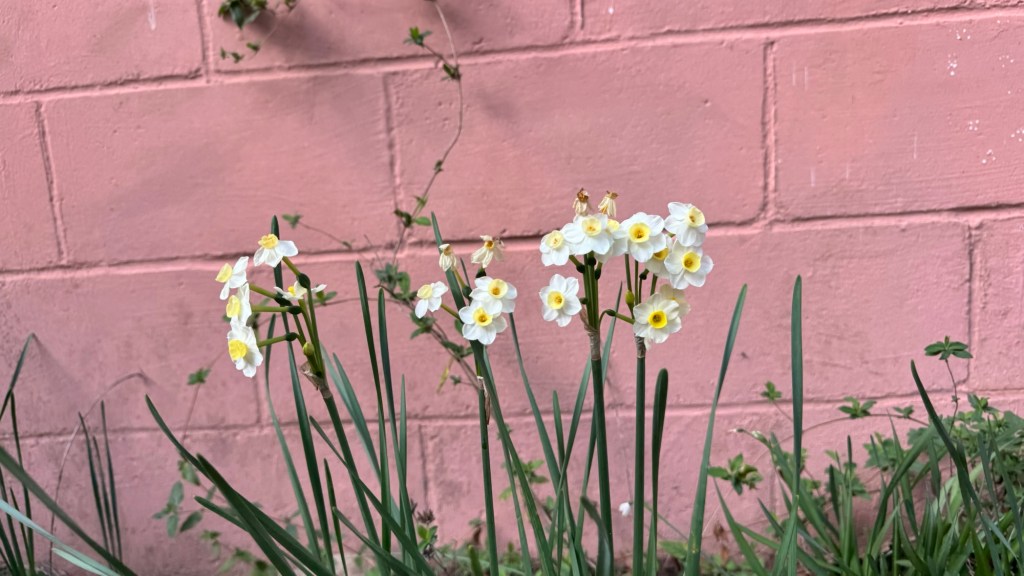
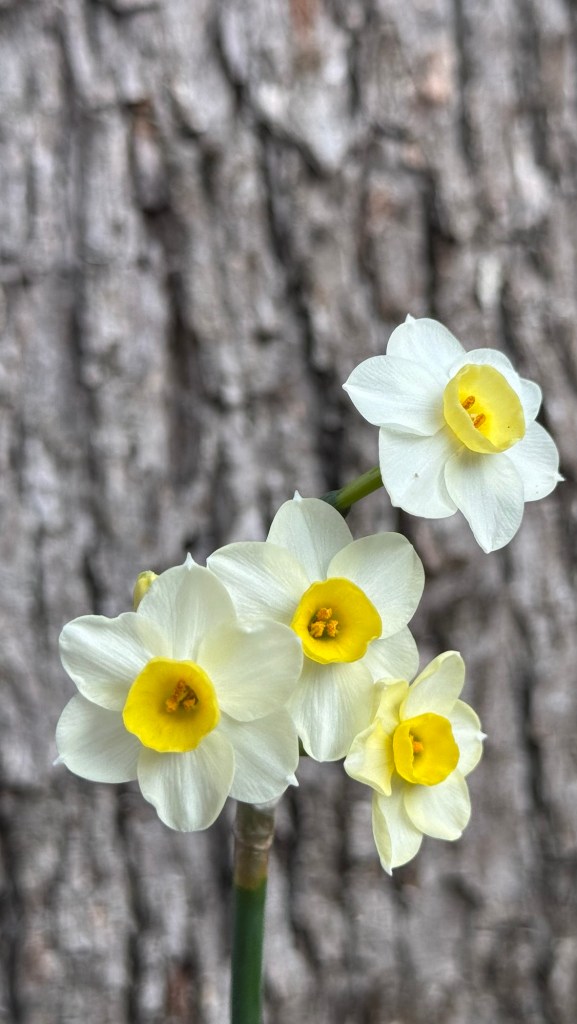
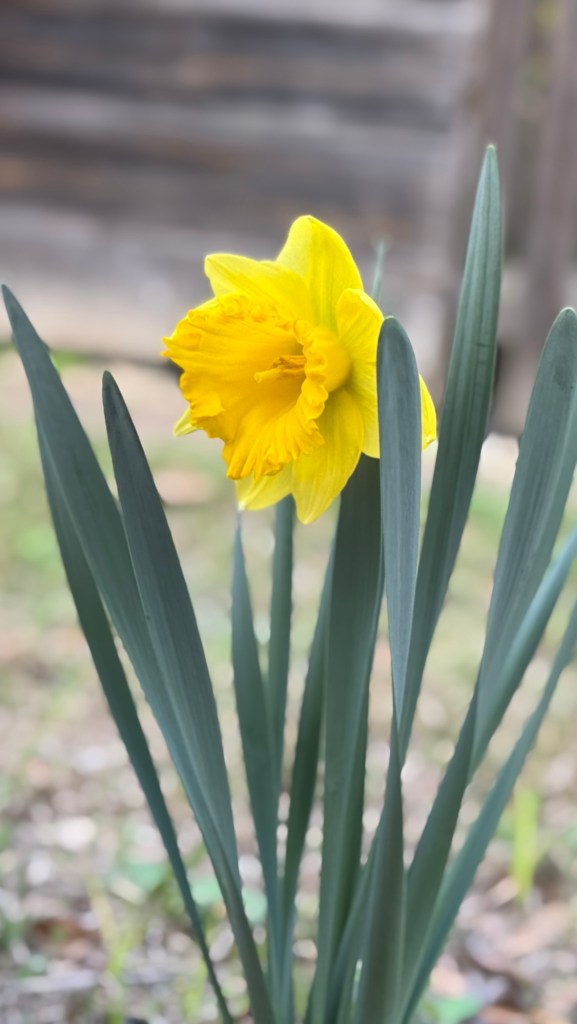
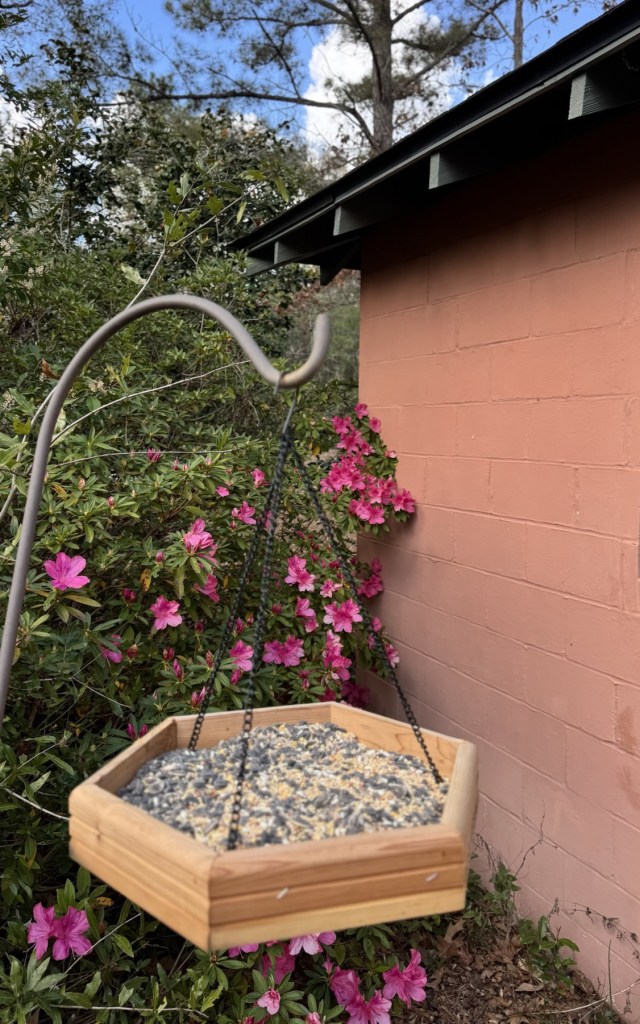
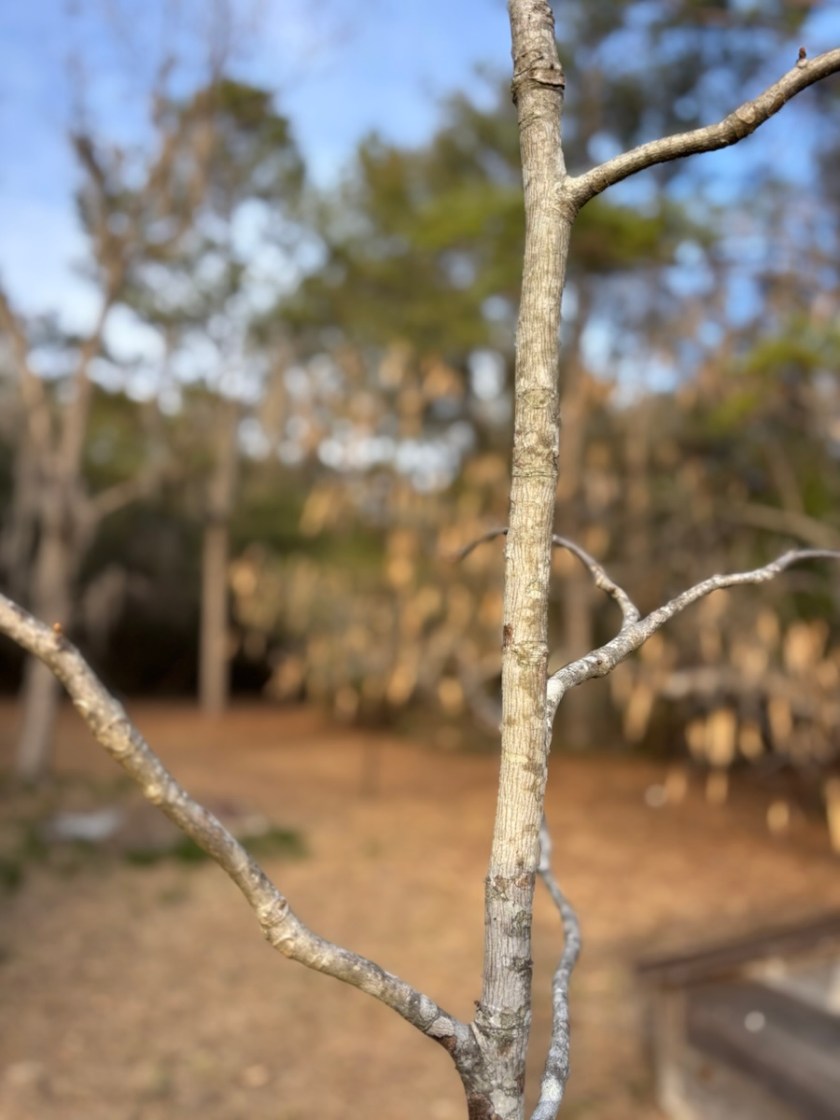
2. Several cool outdoorsy photos Robert took a little while ago, probably to get away from me and my “recovery.”
Is it Spring yet?
3. Our bodies, which I continue to believe/hope know how to be well and are always trying to move toward wellness.
4. Pausing to appreciate the view from above.
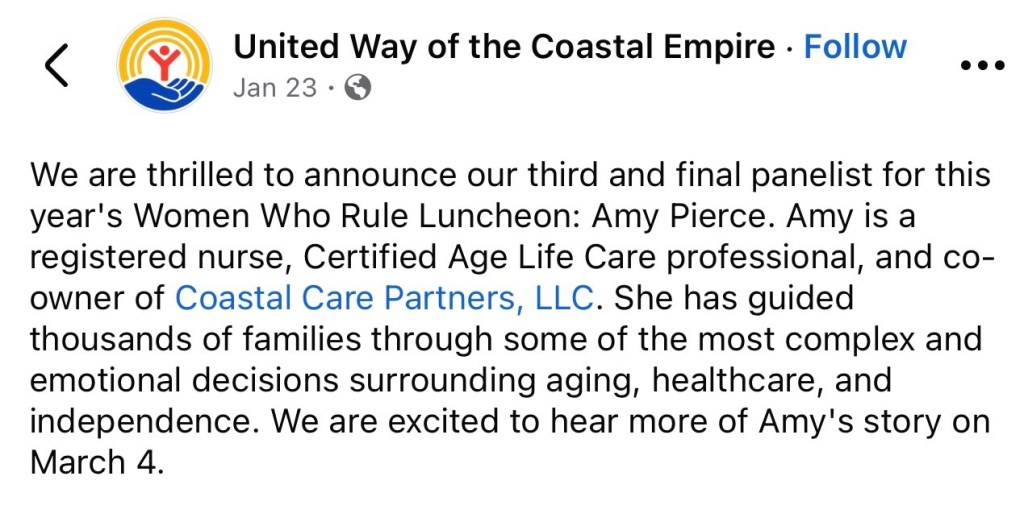
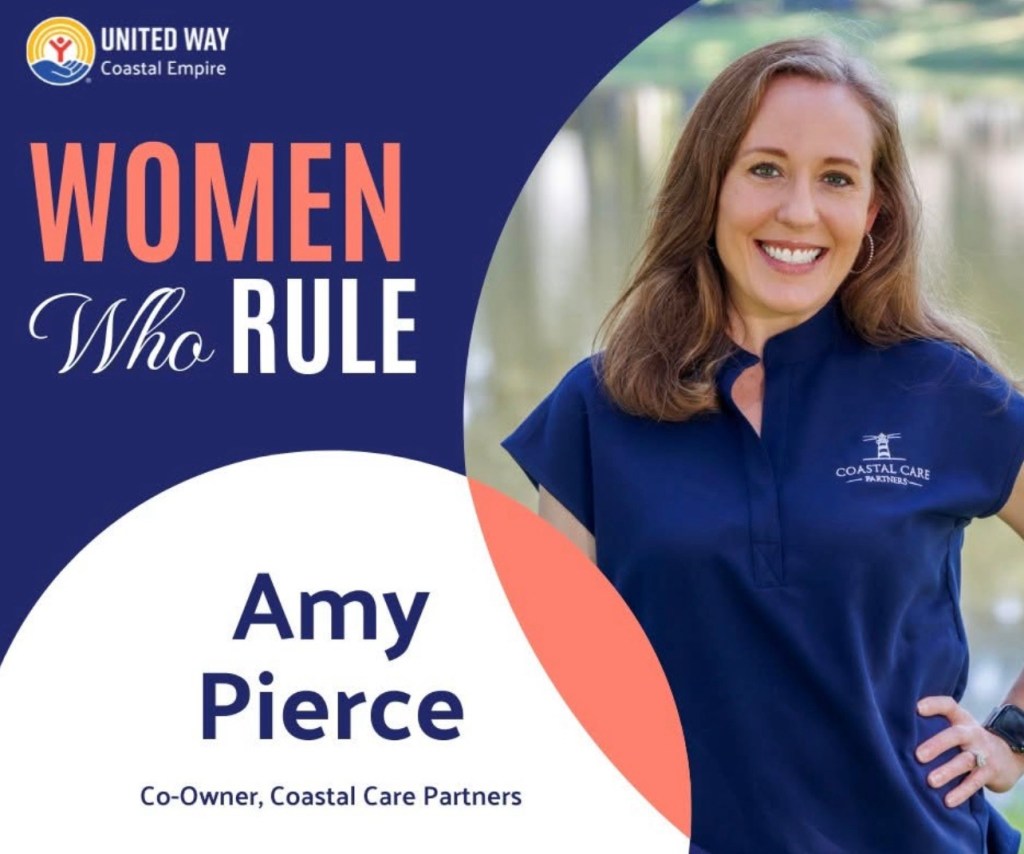
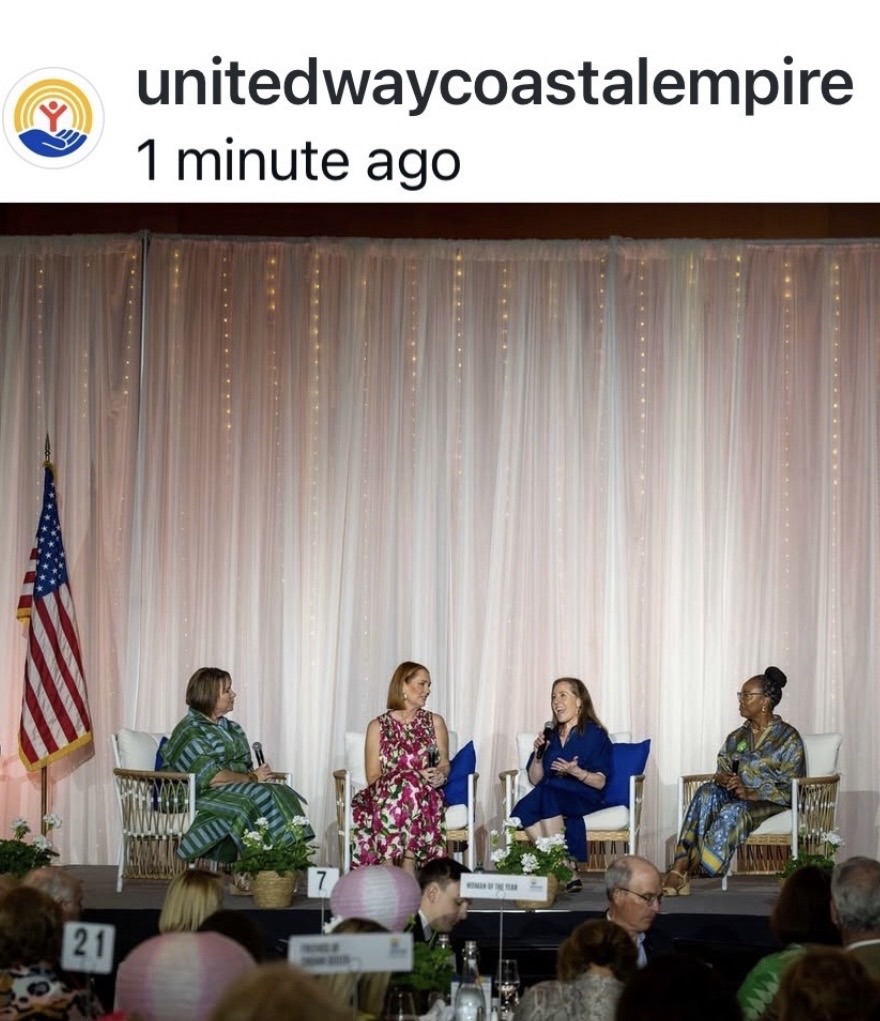
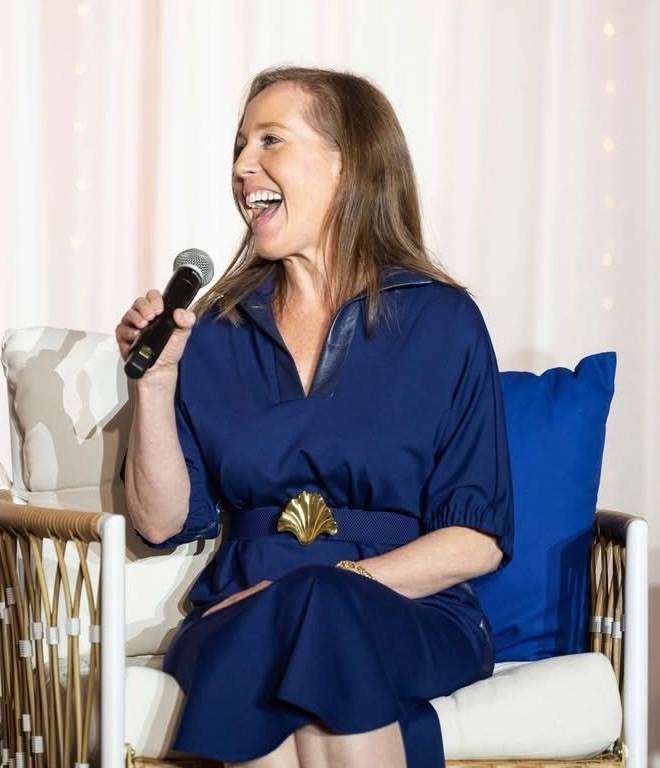
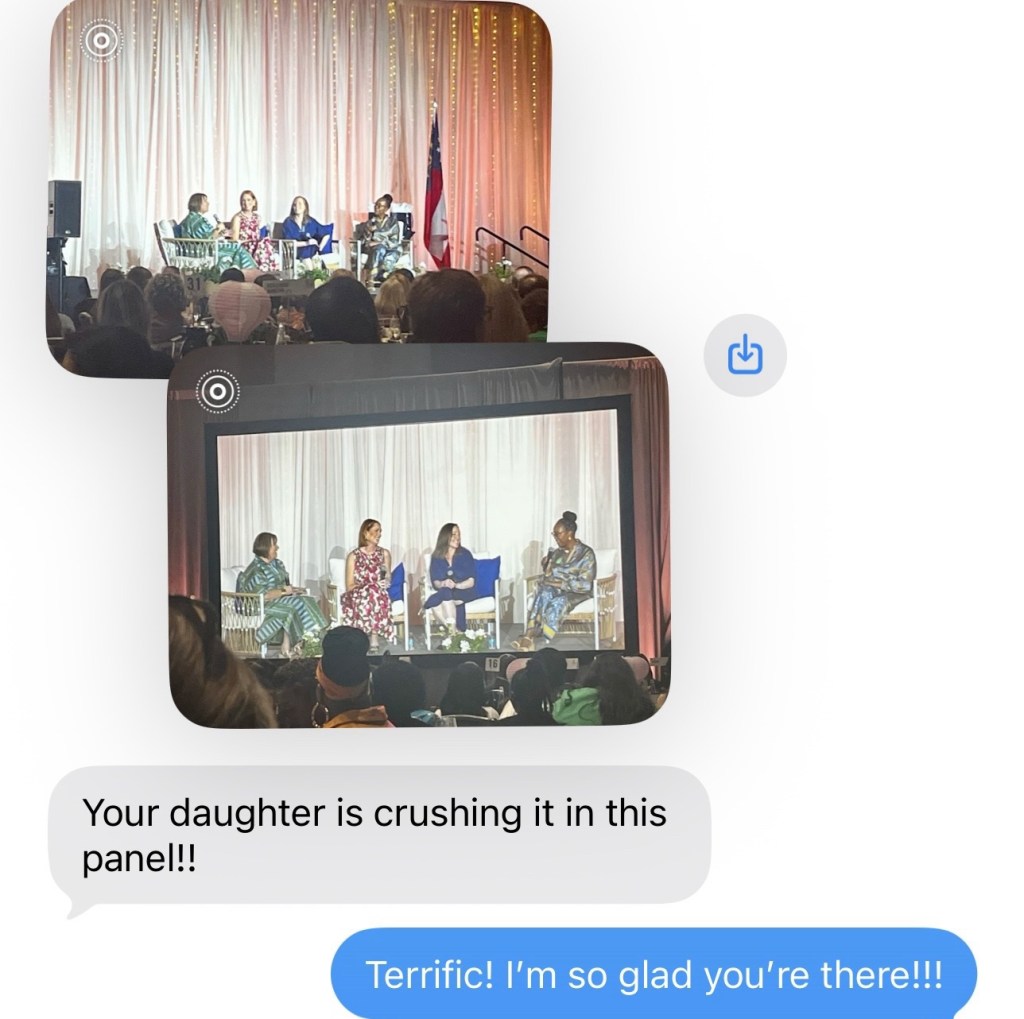
5. Proud of Daughter Amy being named by the Savannah area’s United Way as one of the Women Who Rule panelists.
And this sweet text I got from great buddy Jamie Marie during the event …
May you have a weekend of things that bring you healthy pride.
So yesterday, Robert and I cleaned up the old farmhouse in Southeast Georgia where we have been staying for the last month while our downtown Savannah place was being renovated.
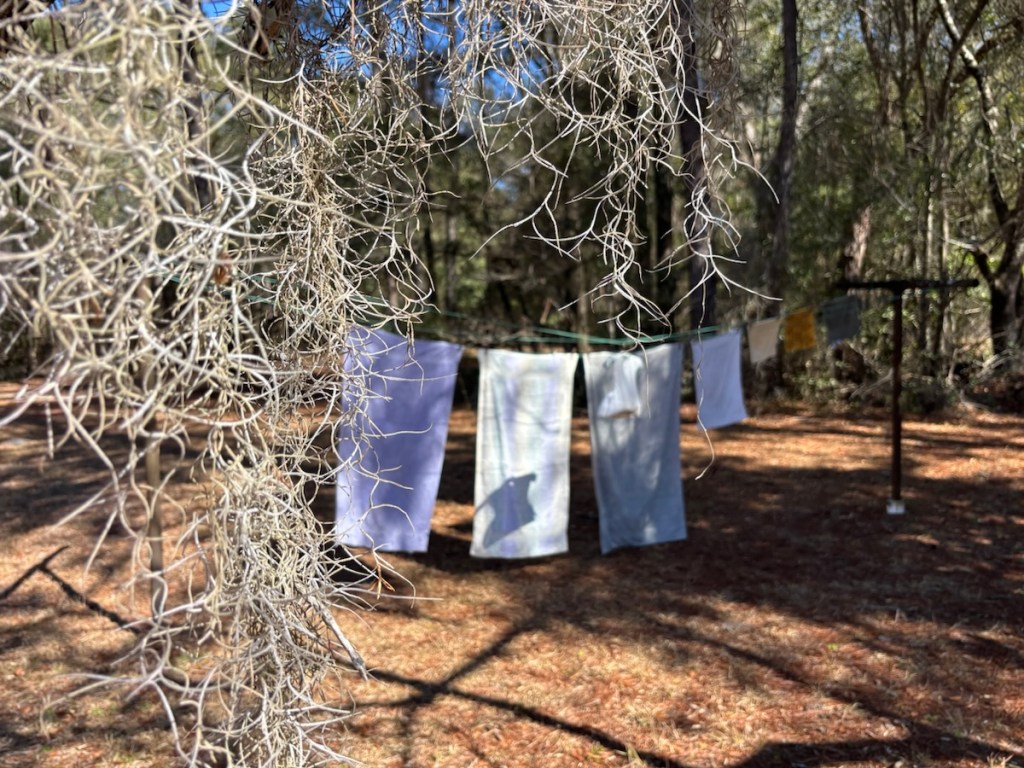
Did the last of the laundry (no dryer) …
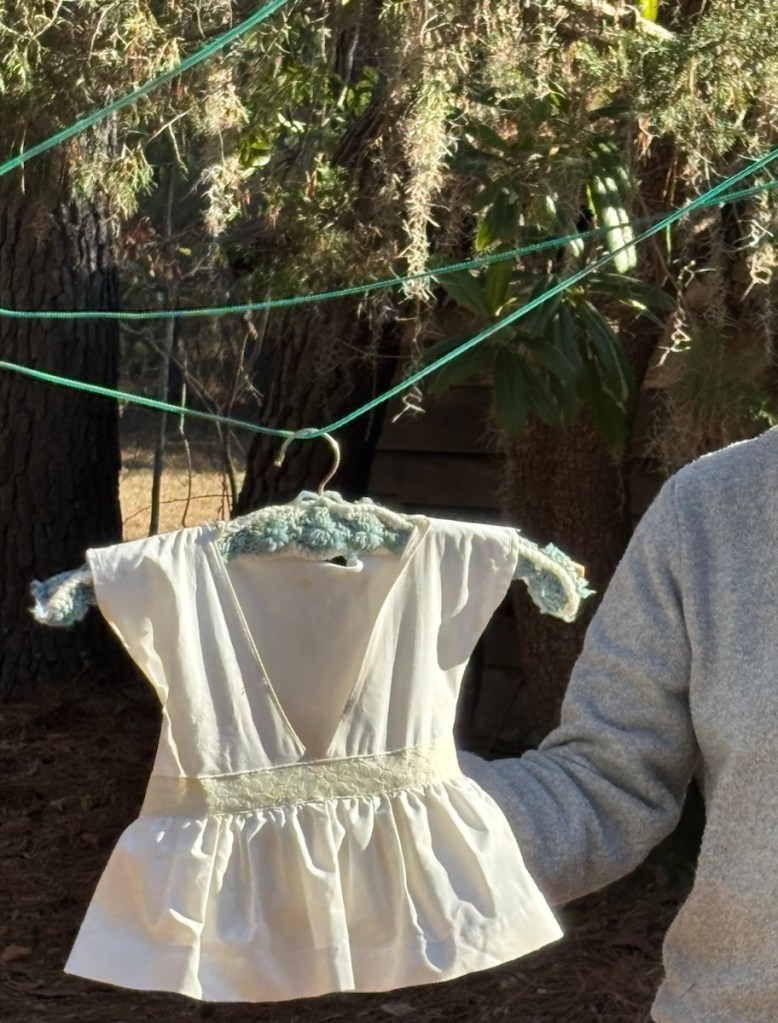
I actually enjoyed (well, for a temporary time) the sensation of hanging wet washing on the clotheslines among the Spanish Moss.
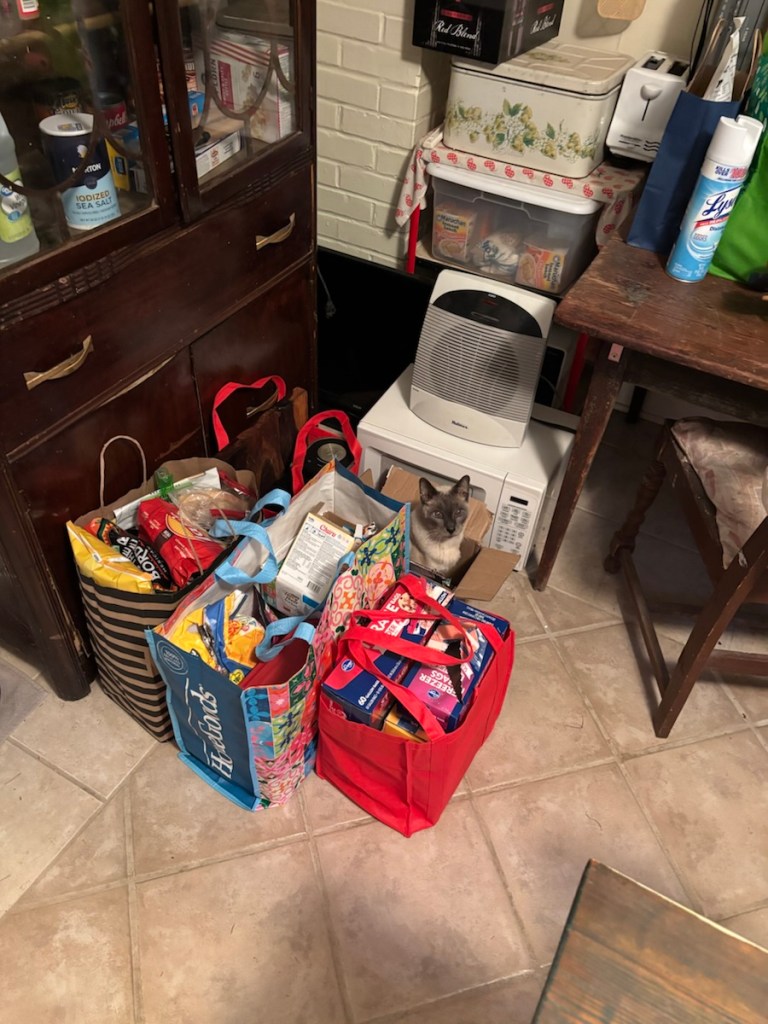
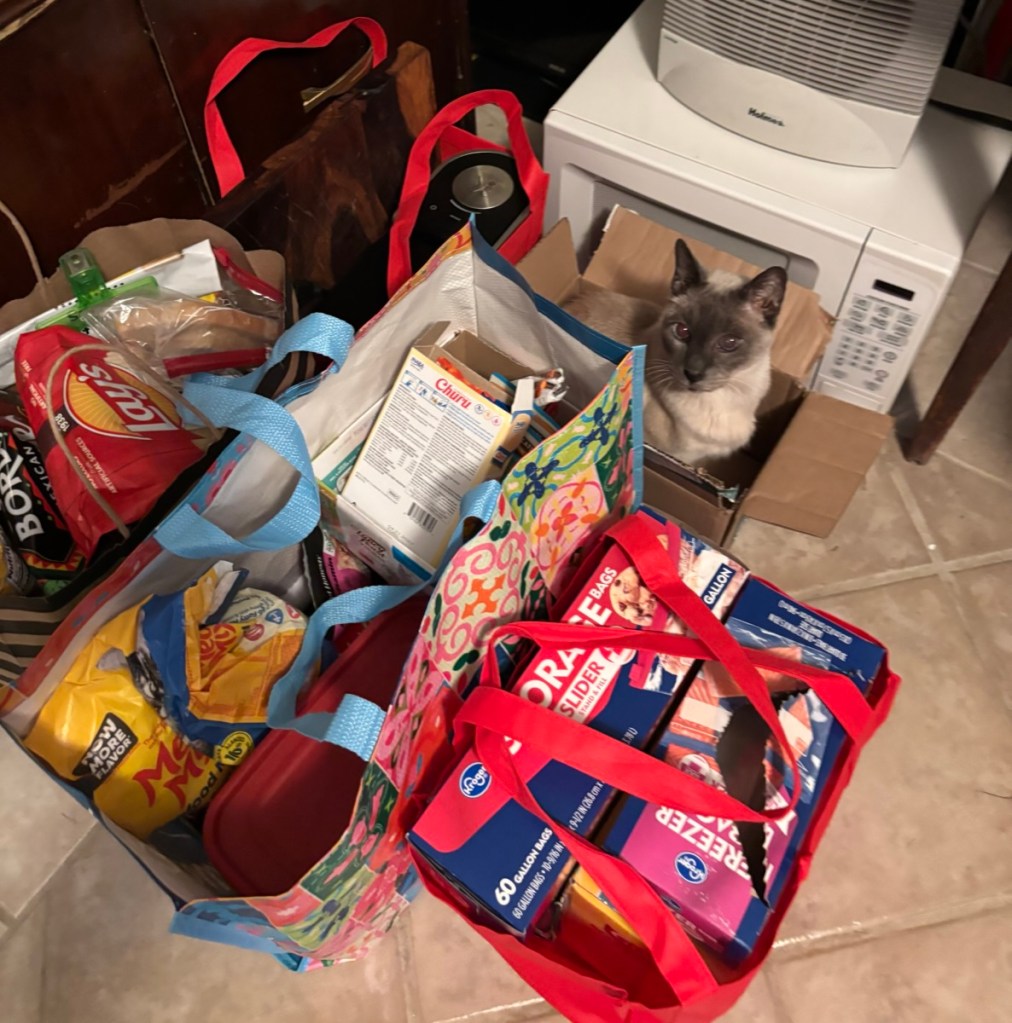
We started loading boxes and bags in the kitchen for the return trip.
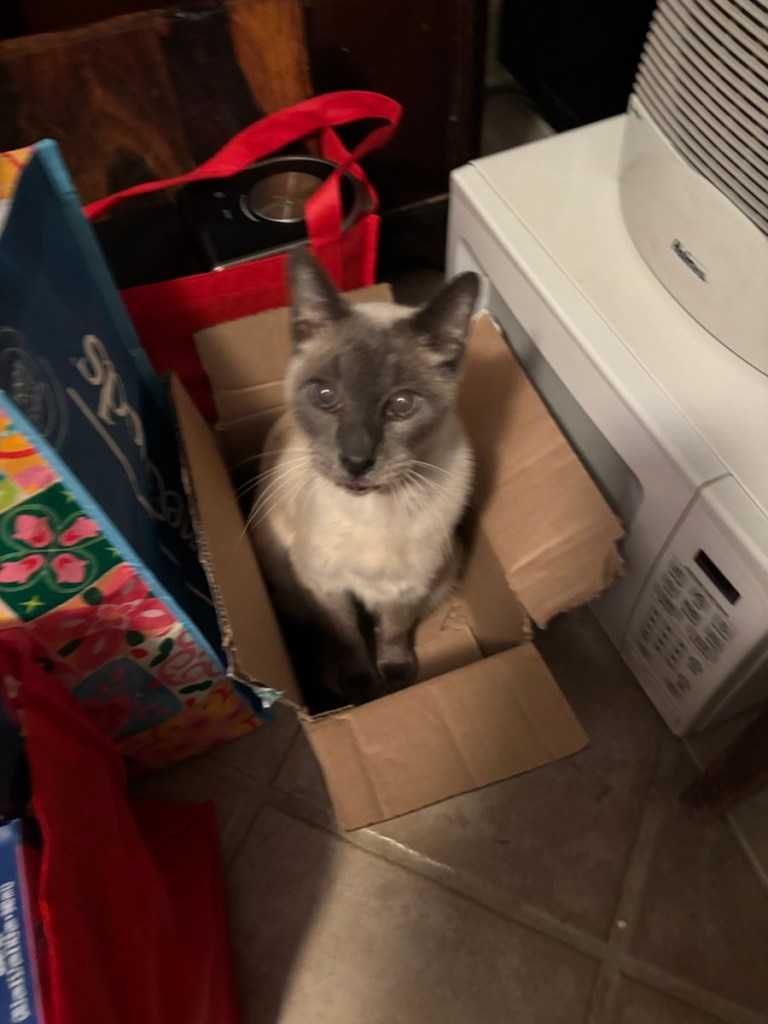
Looked down and saw him …
Benny in the Box.
He was ready to go home.
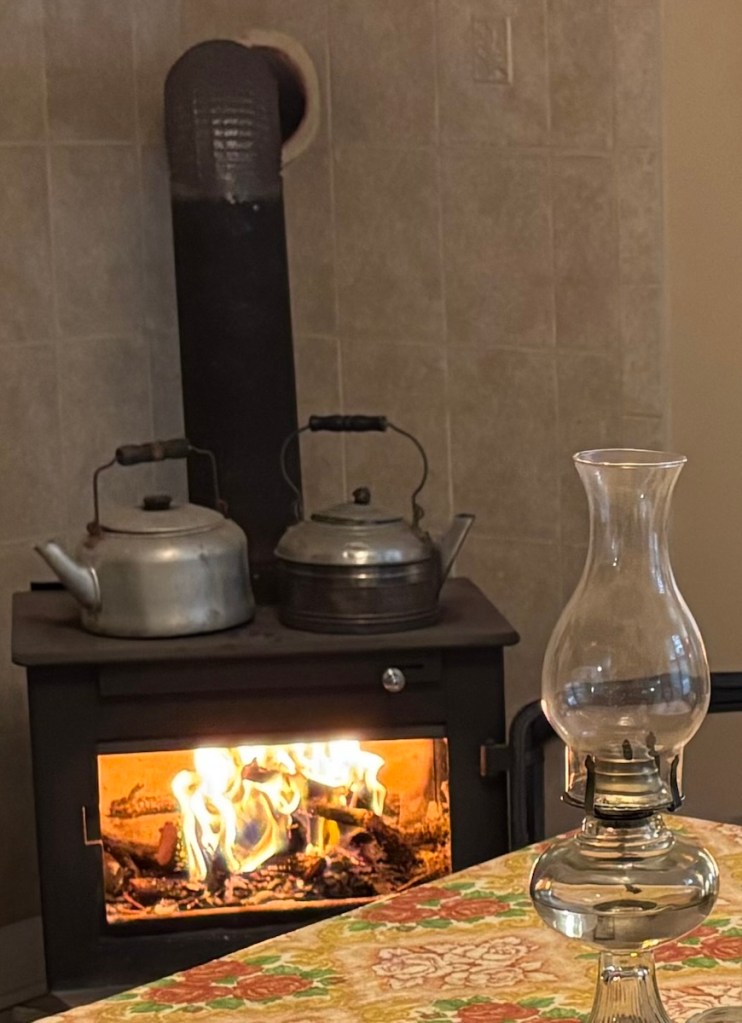
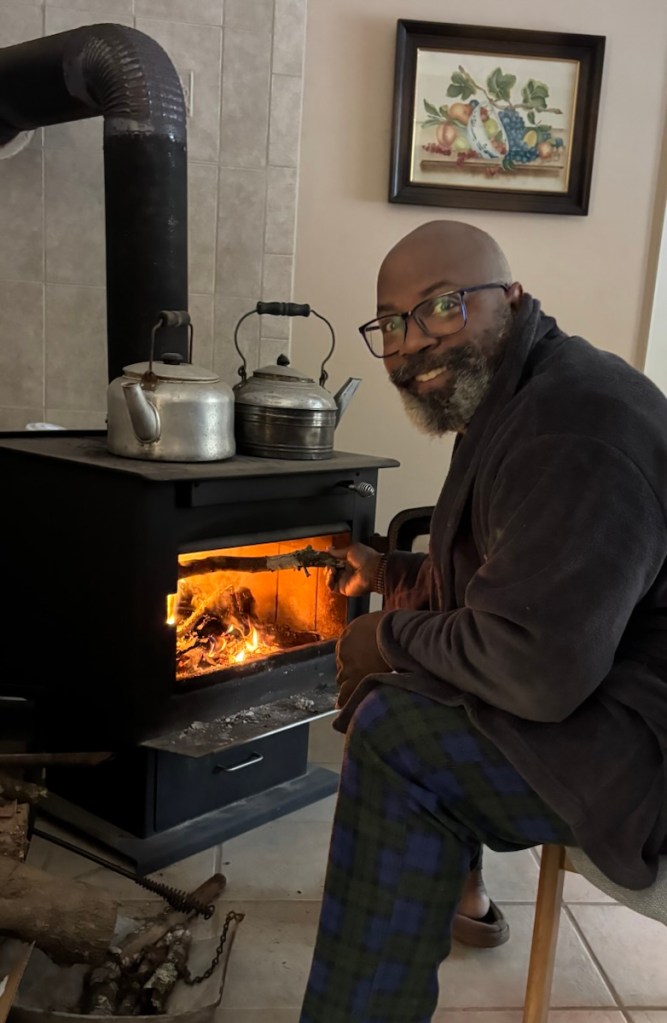
Enjoyed our last fire (the place had no central heat).
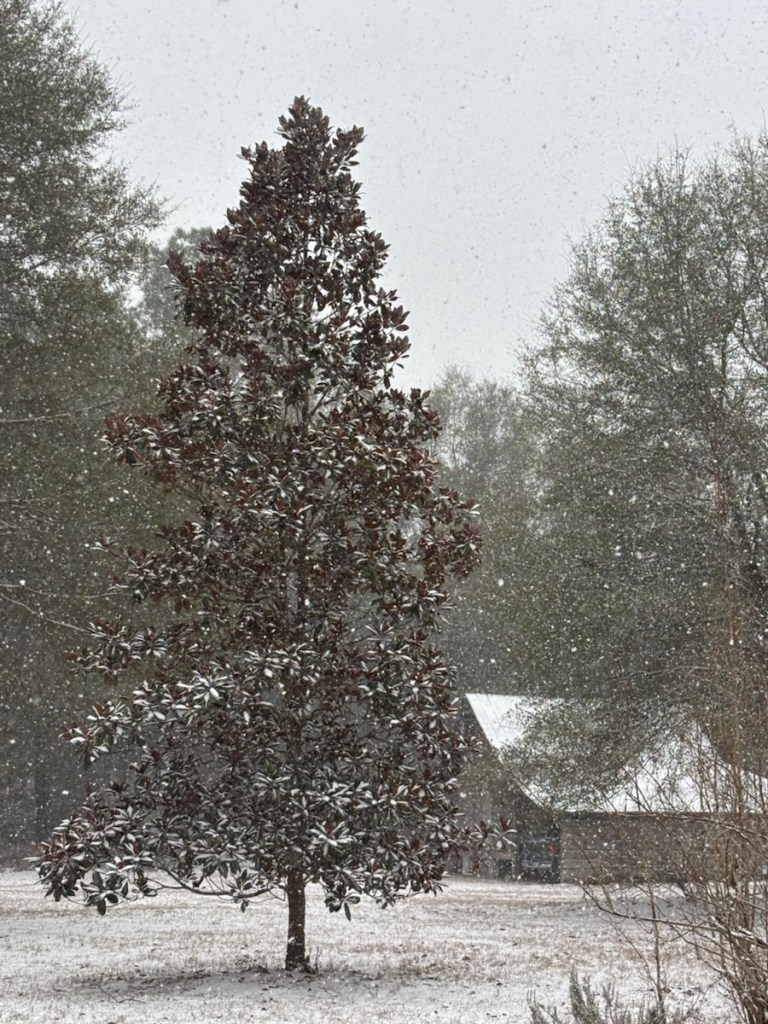
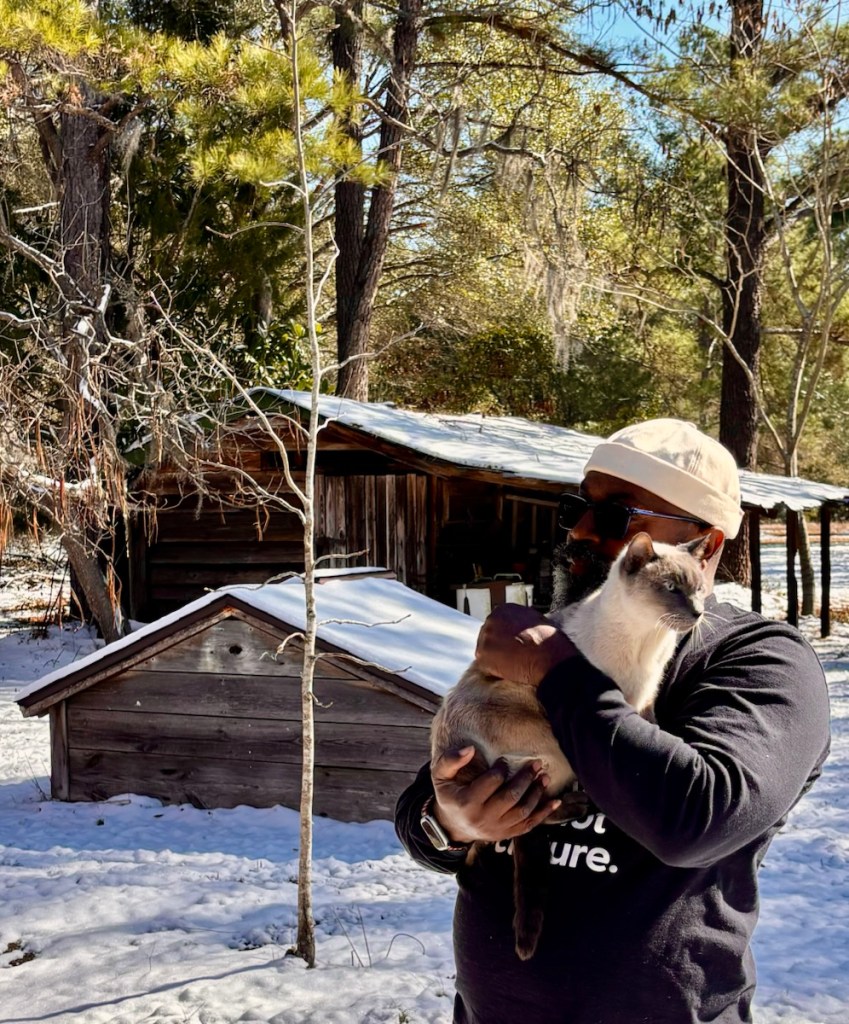
Enjoyed our unusual but FUN time in the snow a couple of days ago…
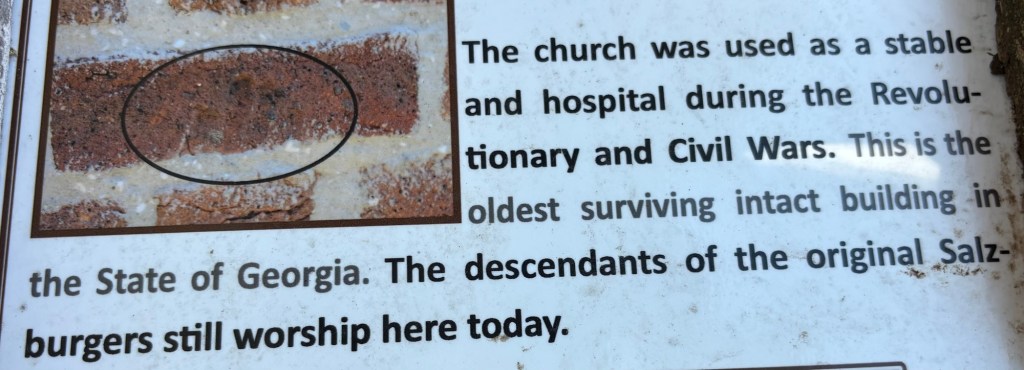
Sampled the “attractions” in the tiny town of Springfield GA (pop. 2,874) …
Our favorite Coffee/Bakery/Breakfast place …
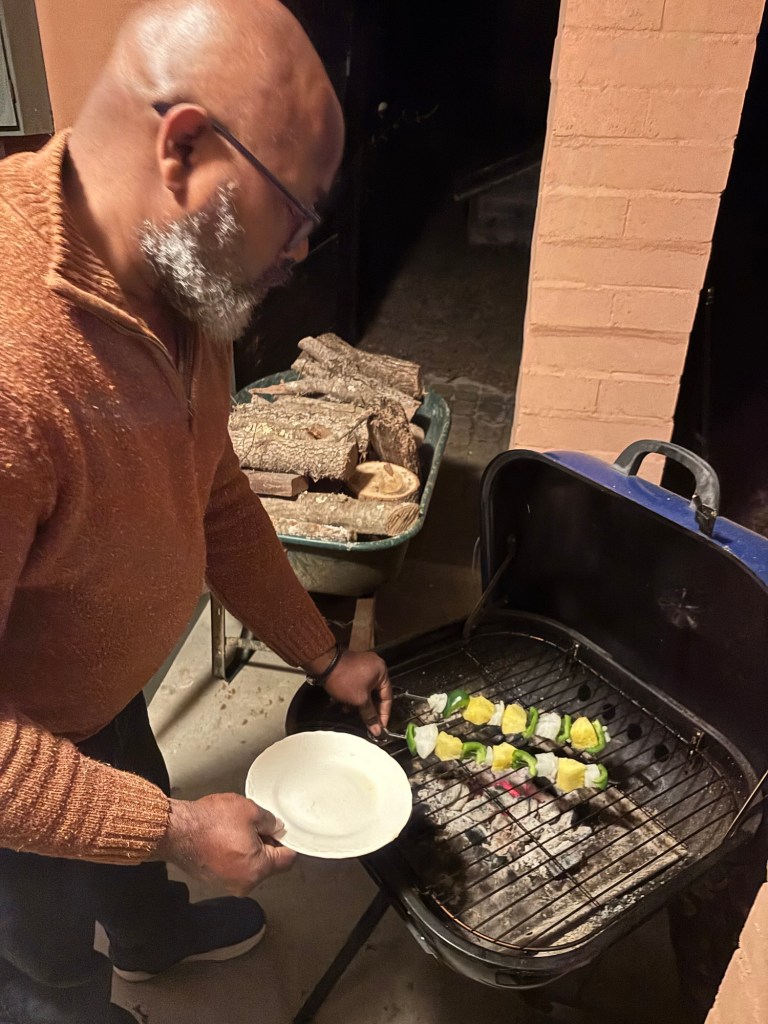
And outdoor in January grilling and eating between the cold spells.
A Joyous Adventure. Thank you, Universe/God/Whomever for Such a Splendid Stay.
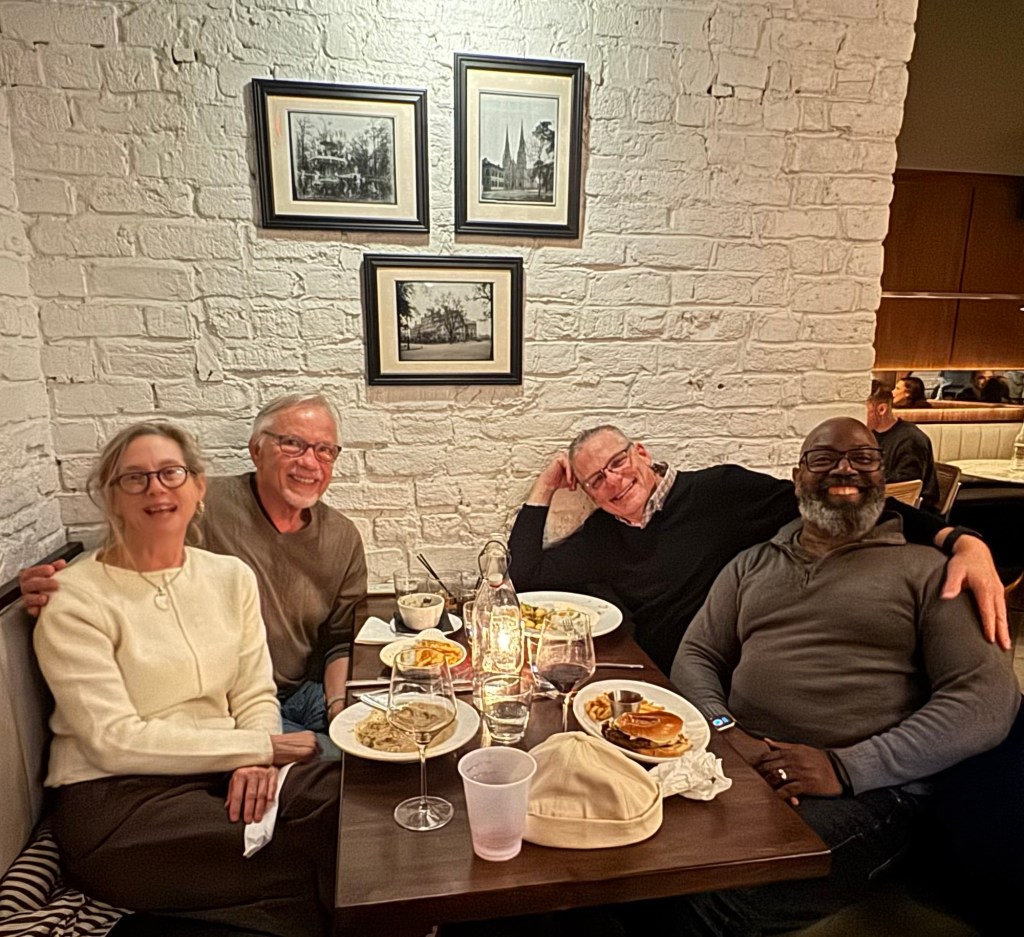
Peggy, Moi, Mike and HR at the very cool Public restaurant in Savannah.
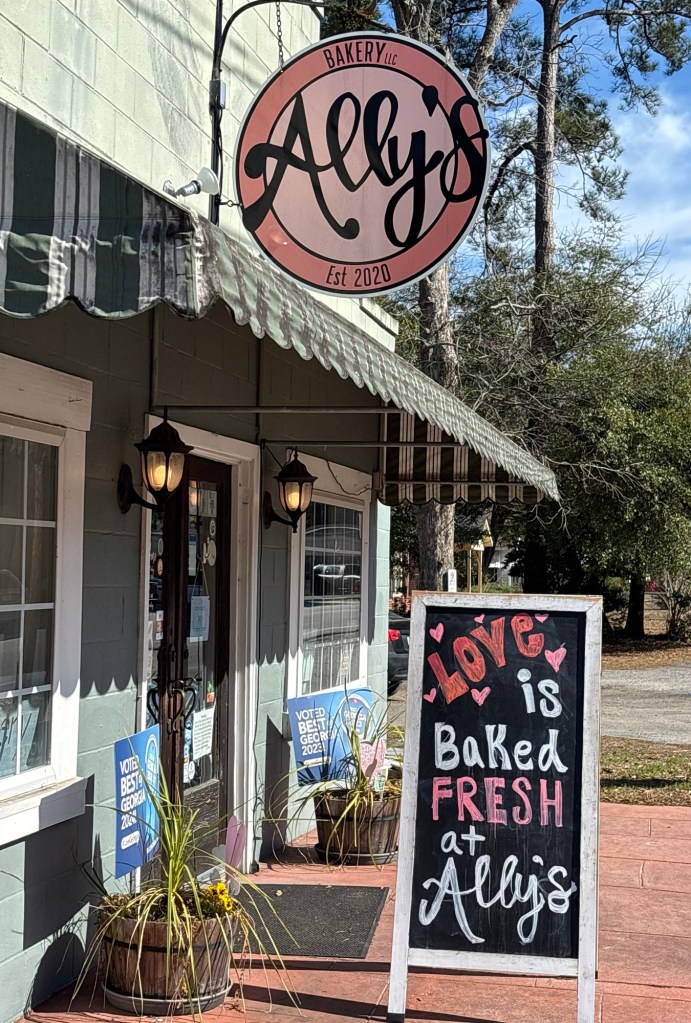
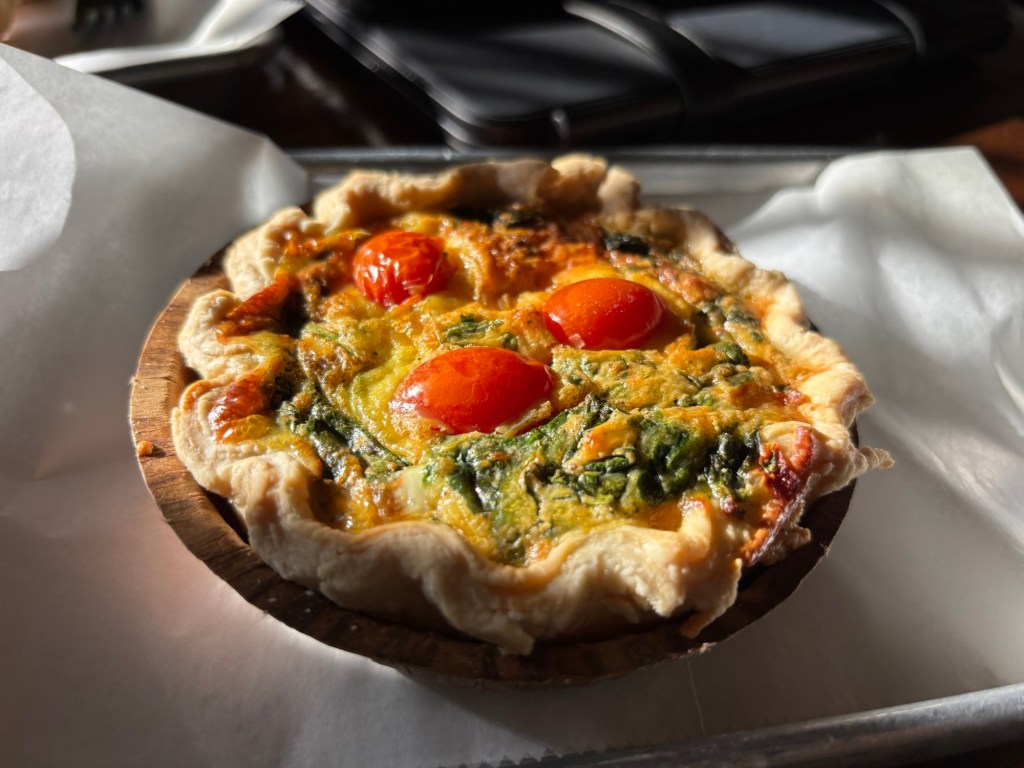
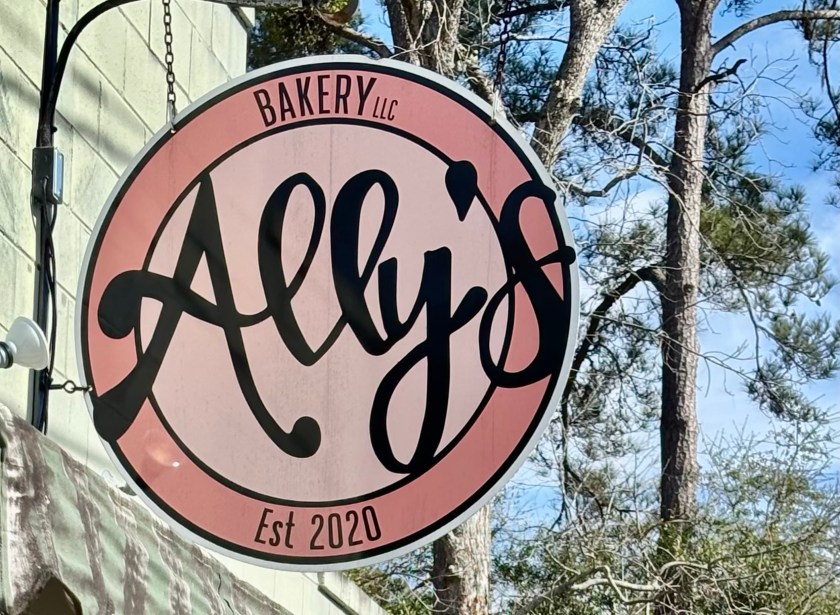
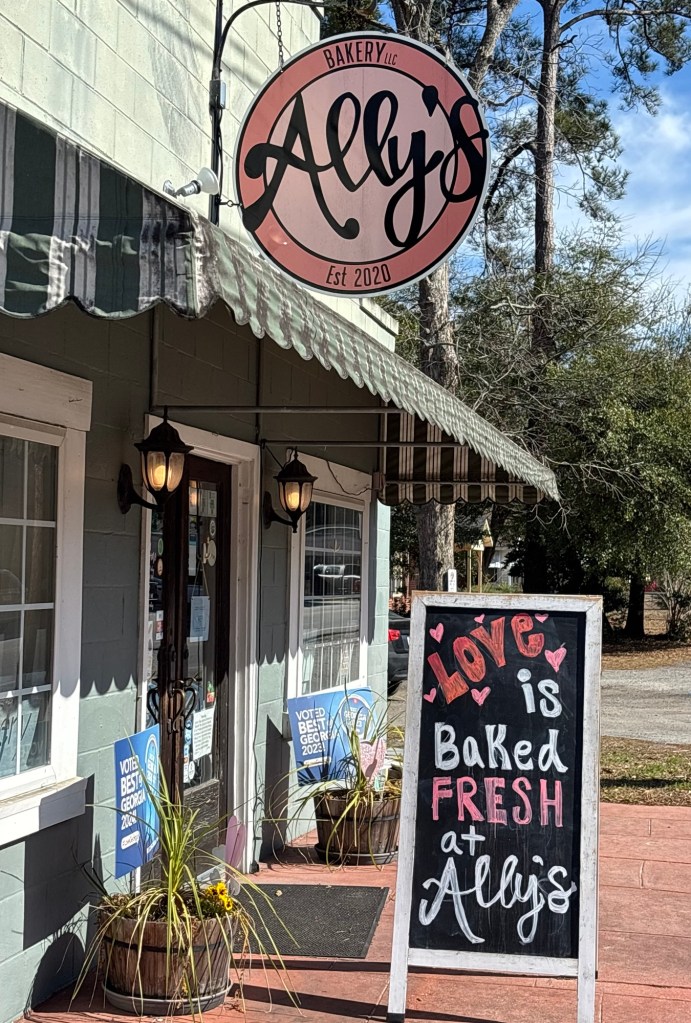
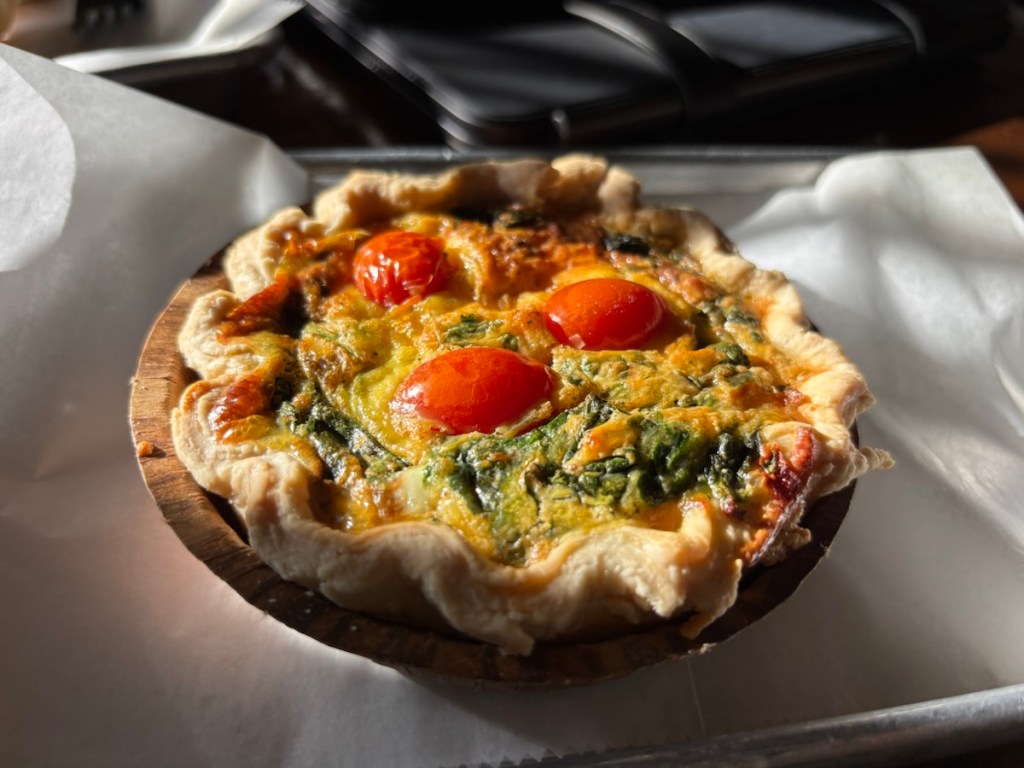
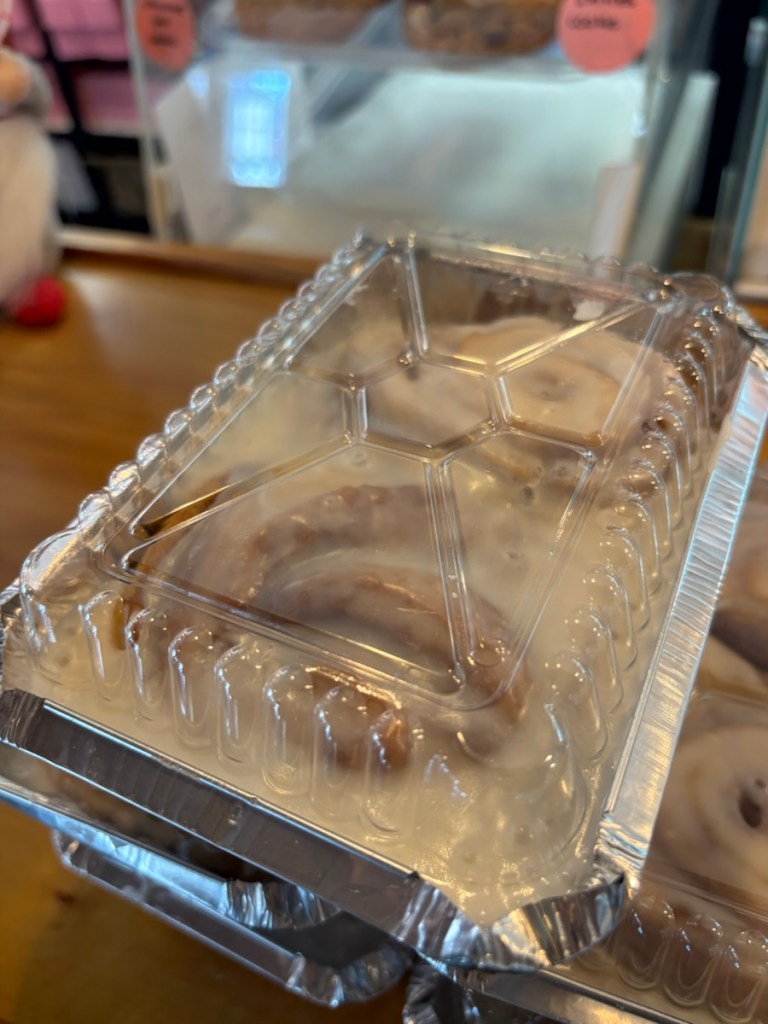
2. Oh my GOODness, Tuesday’s breakfast at Ally’s Bakery in Rincon GA, near the farmhouse where we’re staying while our place in Savannah is being renovated.
Perfect quiche with oh-my-GOODness pastryMade from scratch cinnamon rolls
Ally’s cakes and cookies are works of art. Check out some of her work/art on her website:
3. The amazing ability to SMELL! Walking into Abby’s the first time!
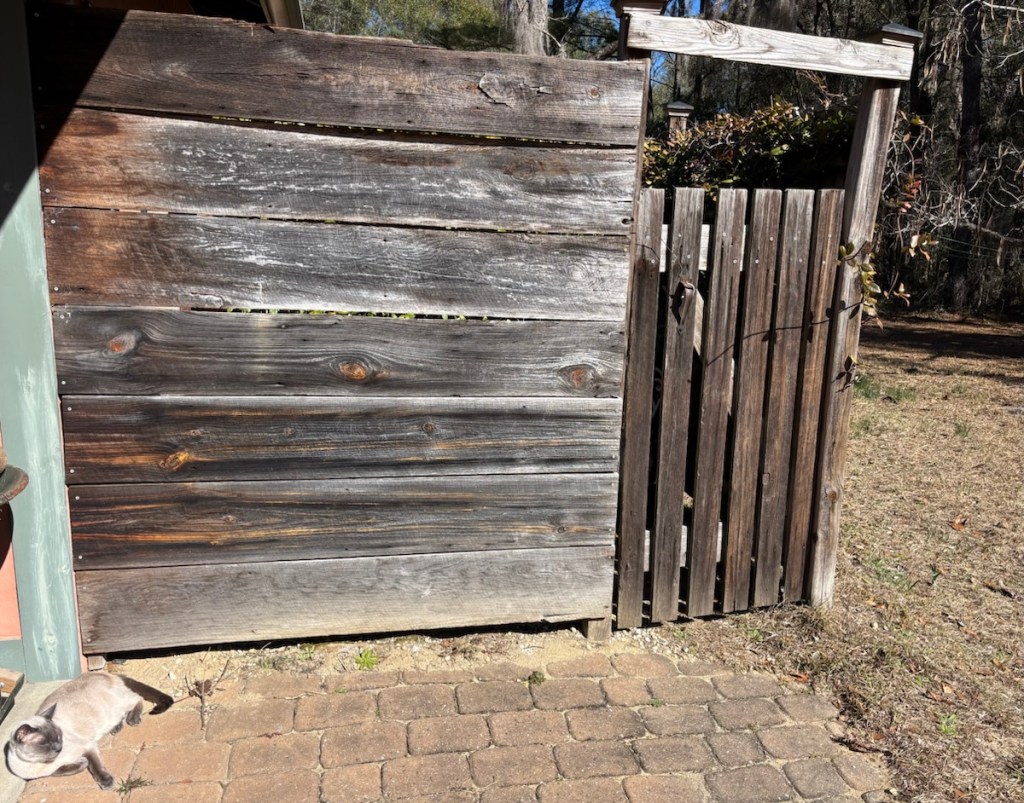
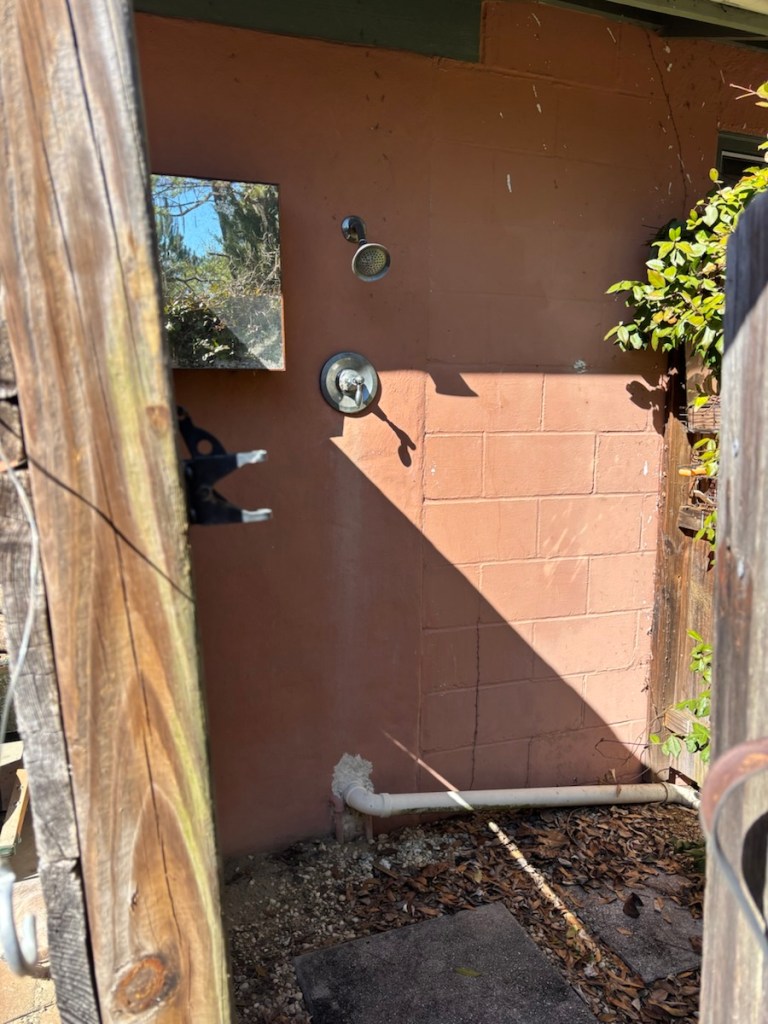
4. Laughing at discovering the outdoor shower at the old farmhouse where we are staying. The farm belongs to our friend Gordon who lives in Arizona but keeps his grandparents’ farm for visits to Georgia.
Of course it has been FAR TOO COLD try it out!
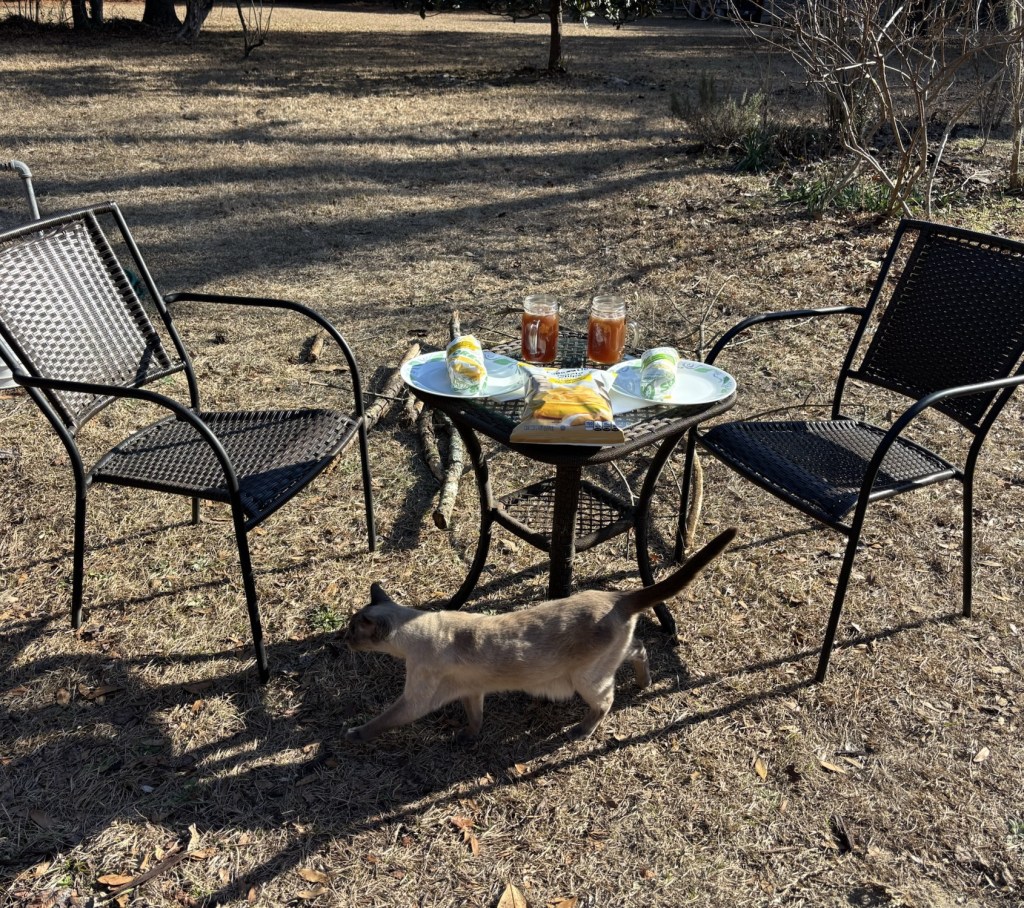
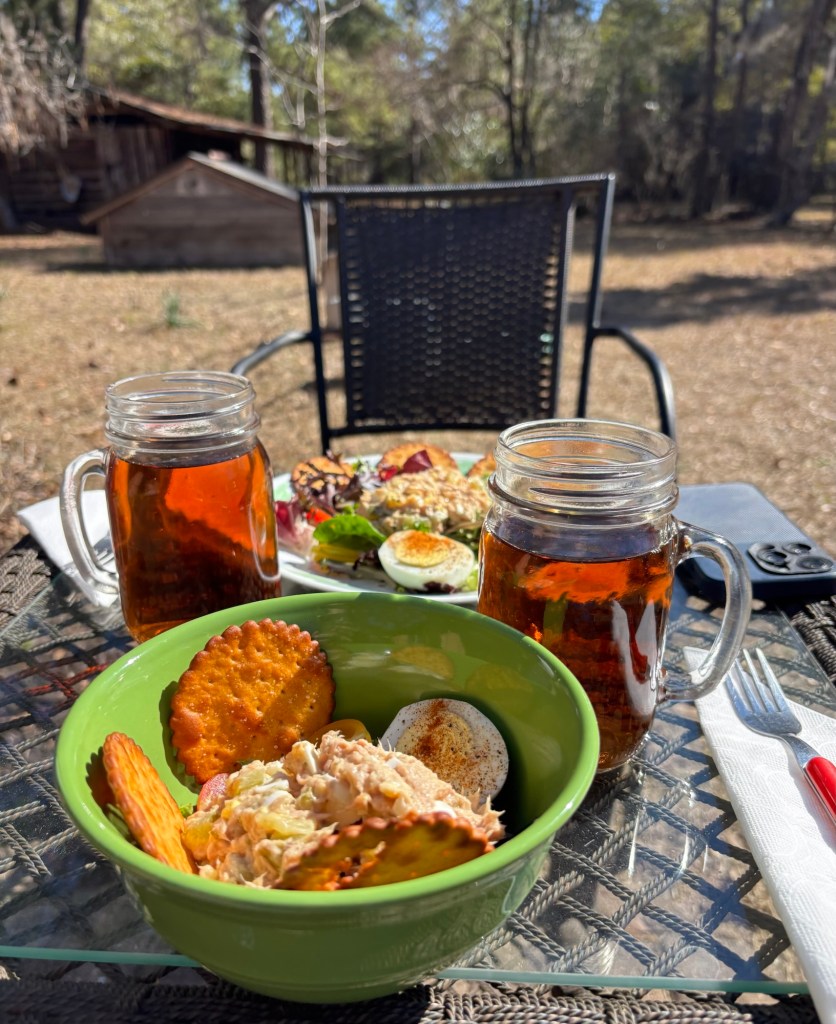
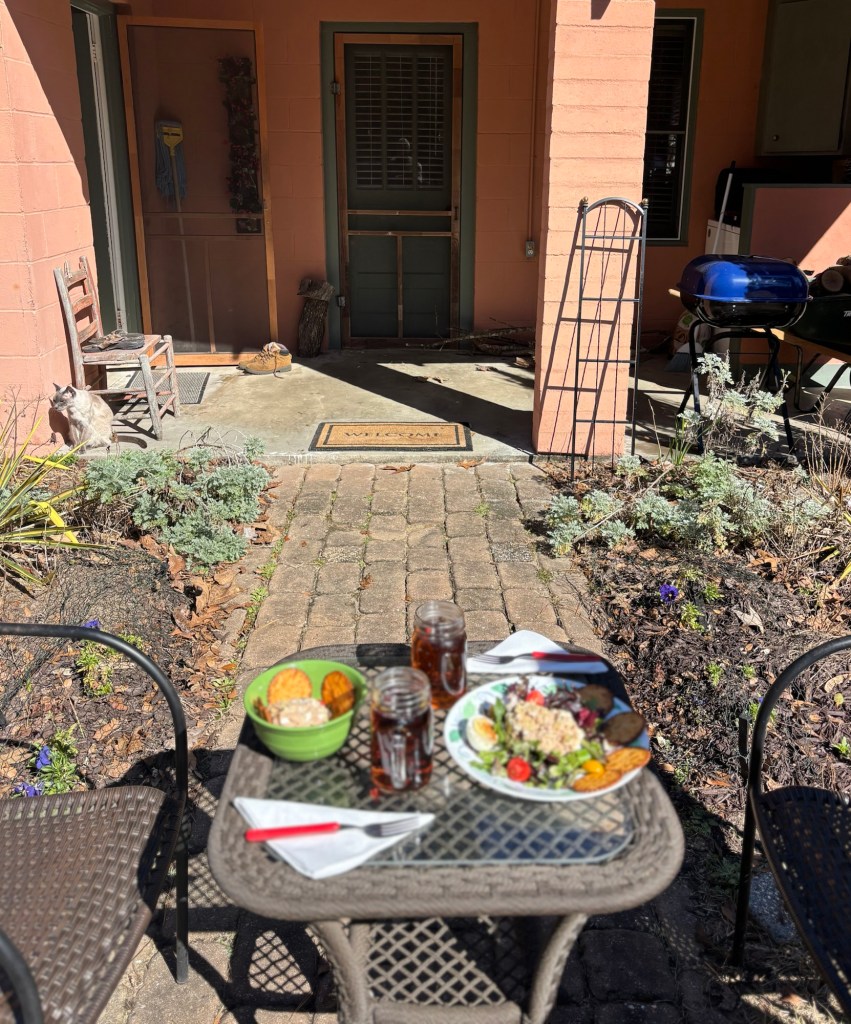
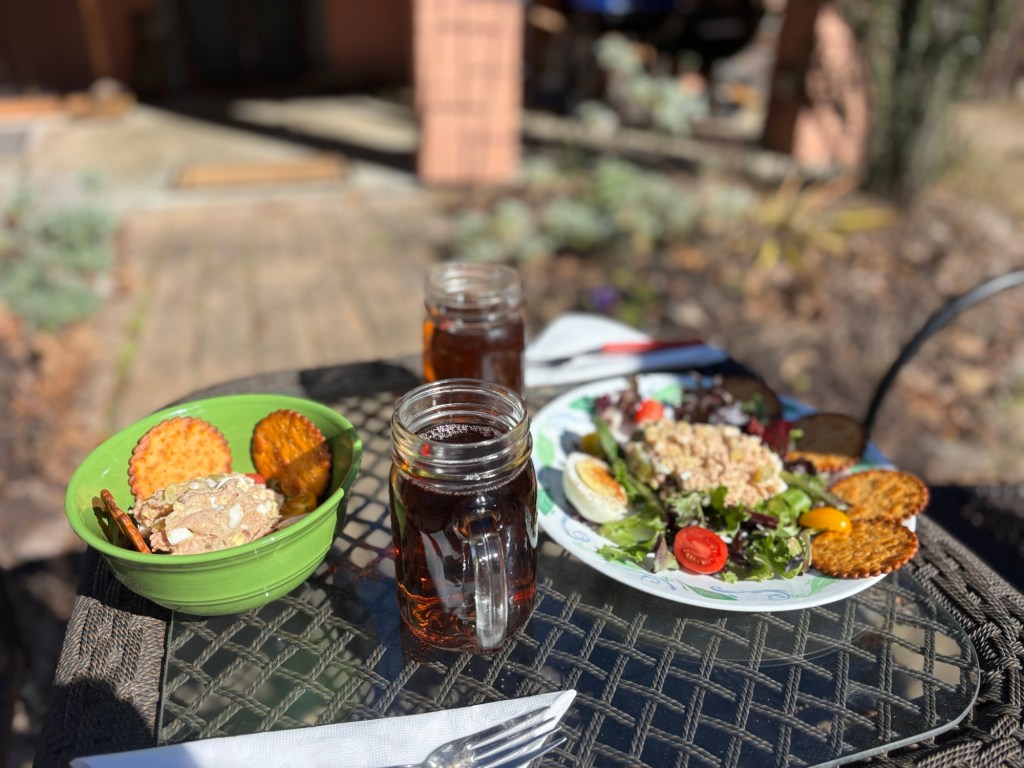
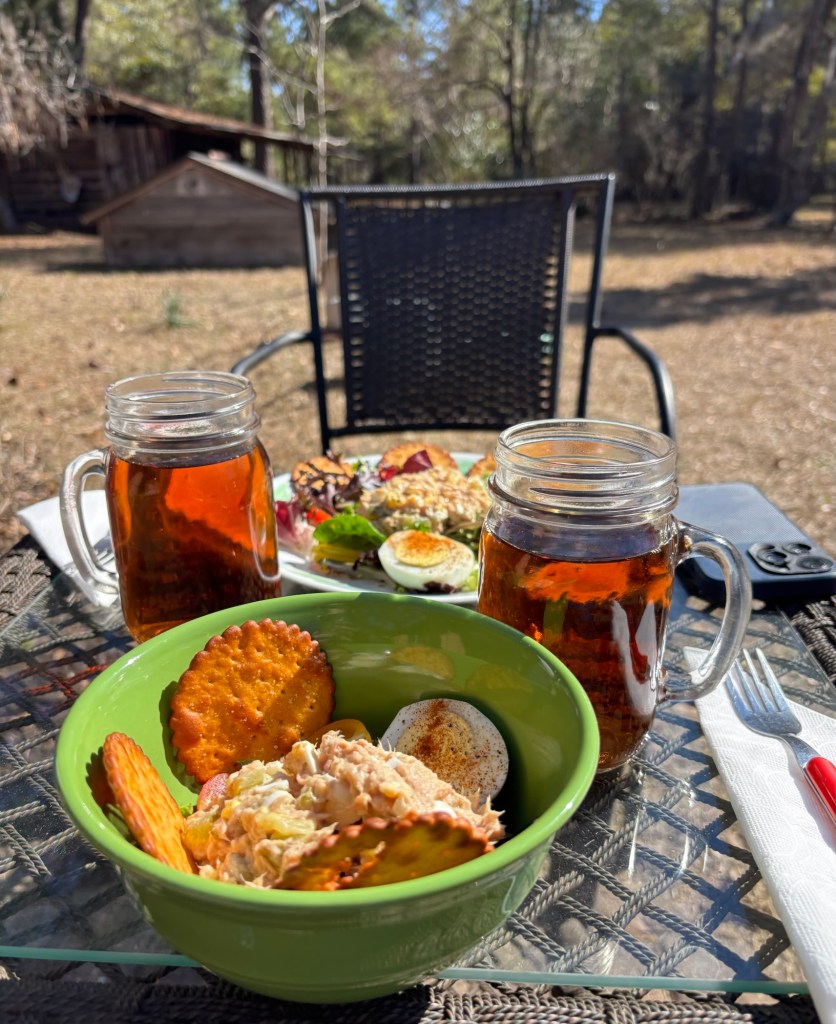
5. But wasn’t too cold for a tuna salad picnic outside the farmhouse the other day.
May it be warm enough for you to bask in some Weekend Joy ahead.
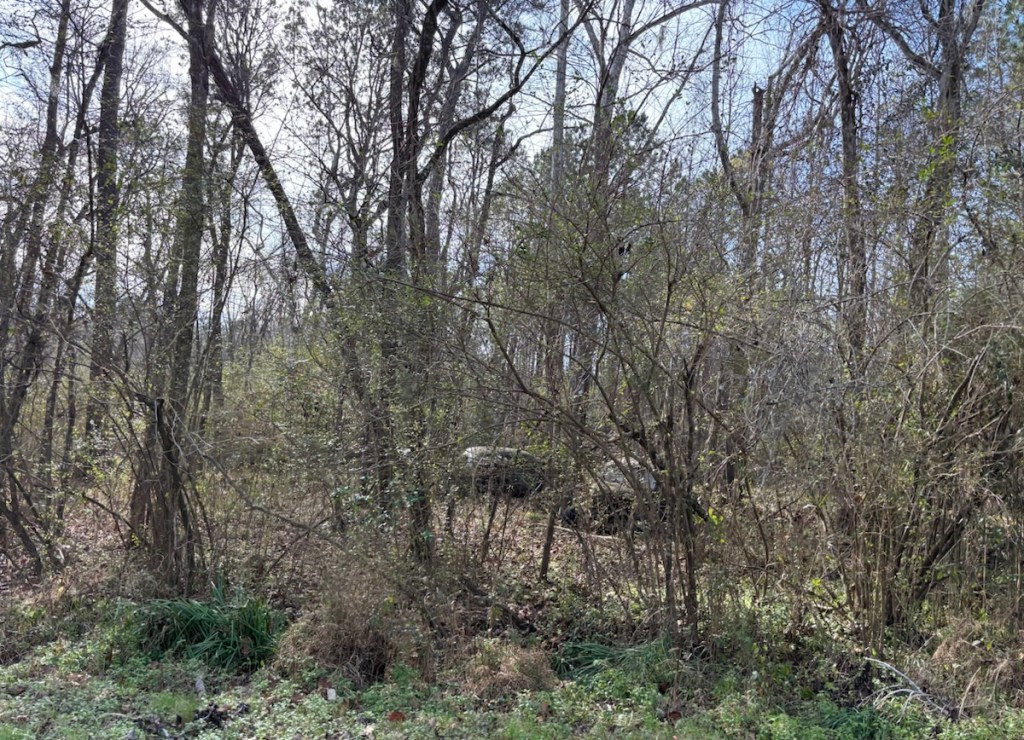
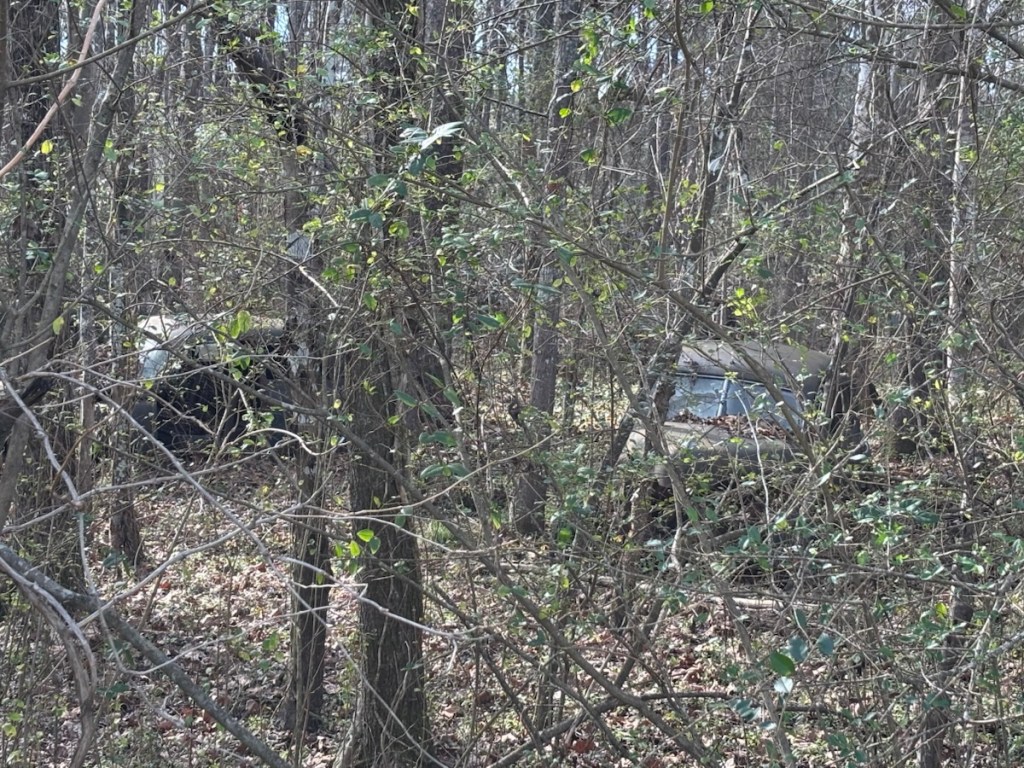
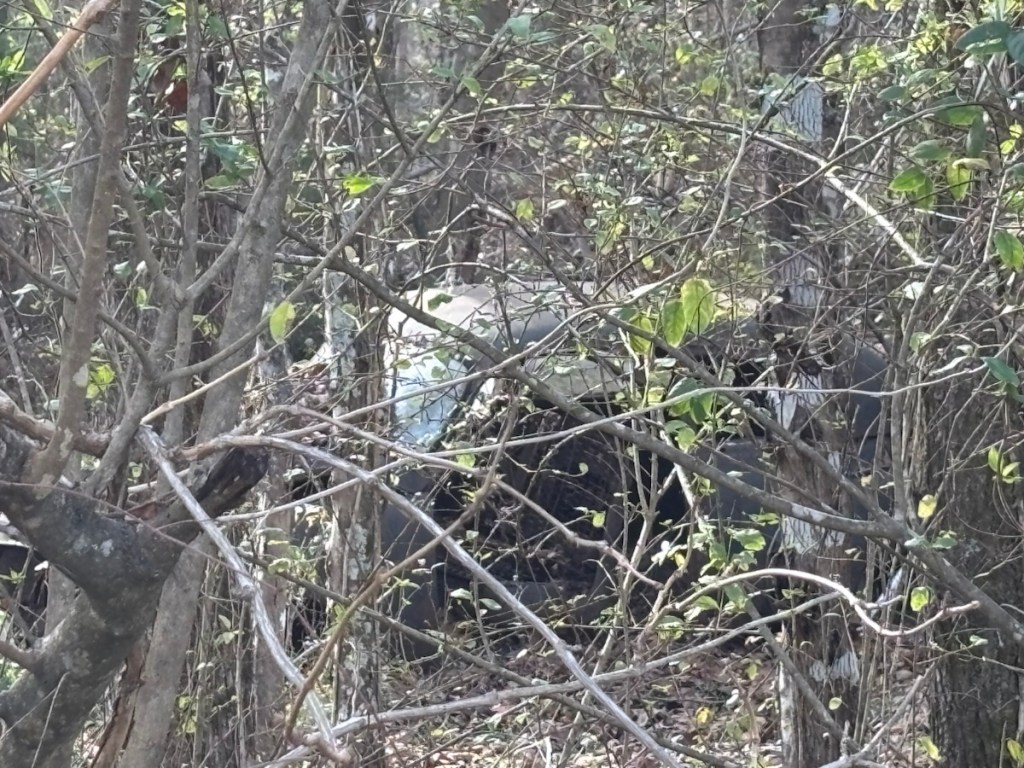
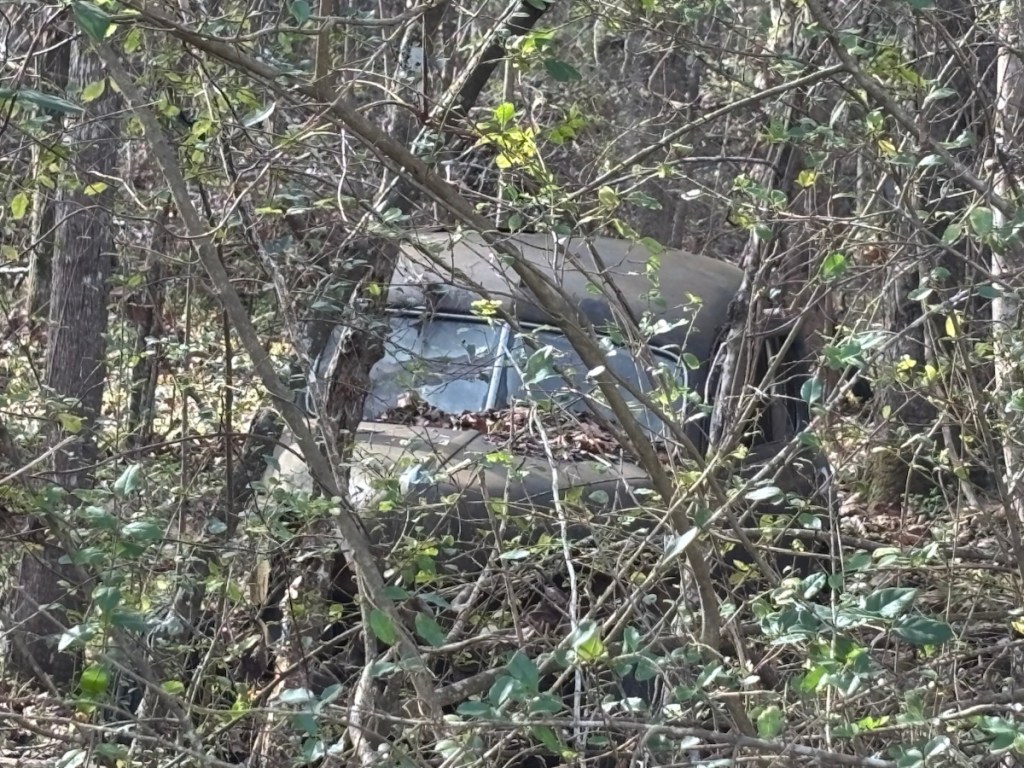
Recently Robert and I were driving back from a day adventure at the fascinating Webb Wildlife Management Area in Garnett, SC when we looked off to the right and saw this …
Yes, I know, the scene is difficult to see clearly. So HR pulled to the side of the road, and we walked nearer.
But the brush was SO thick, and we couldn’t get very close.
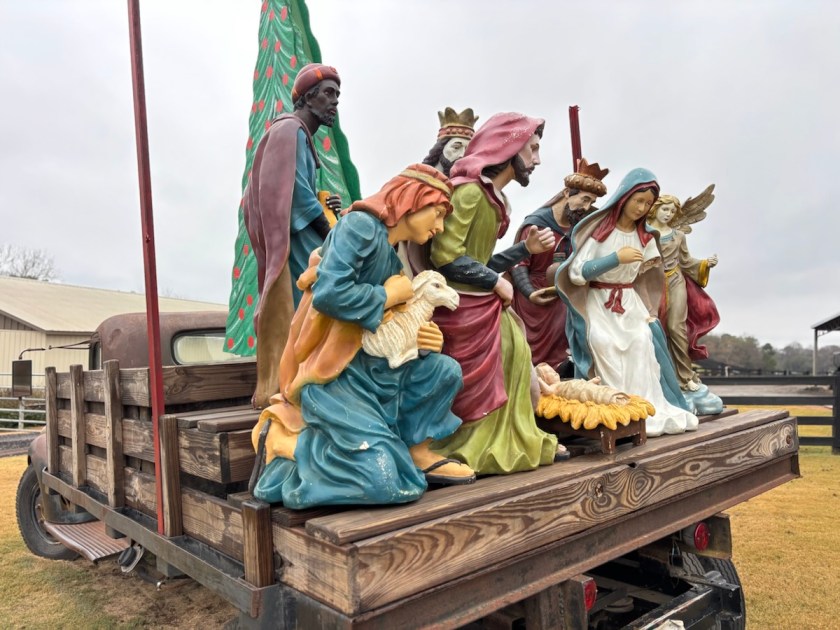
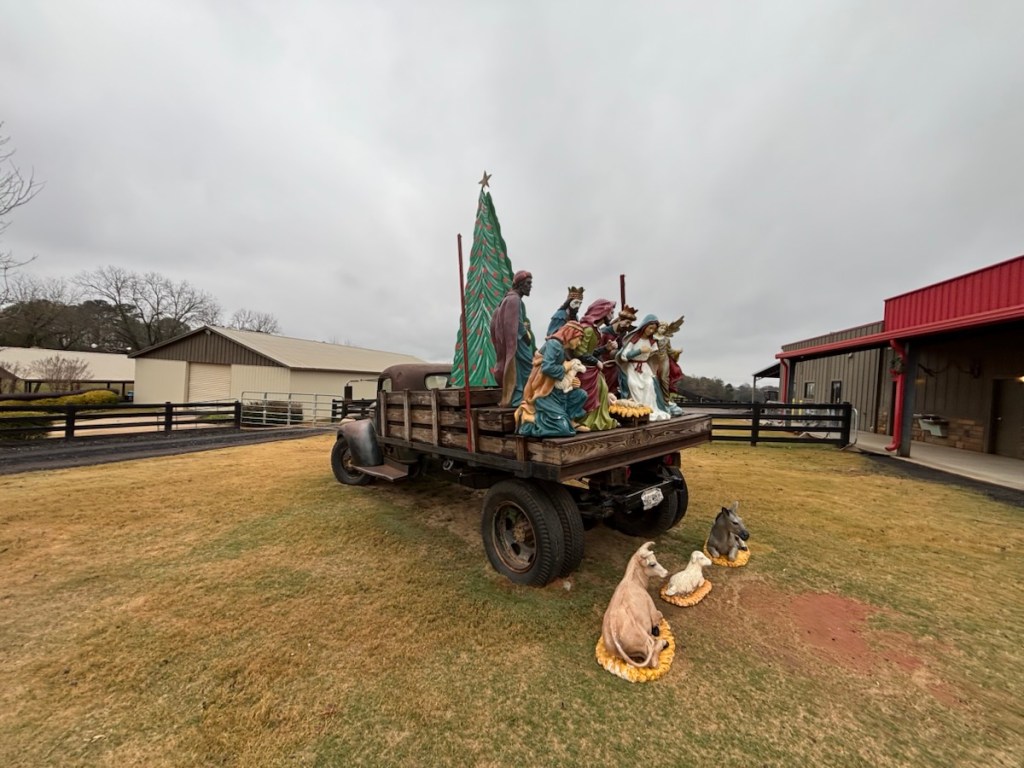
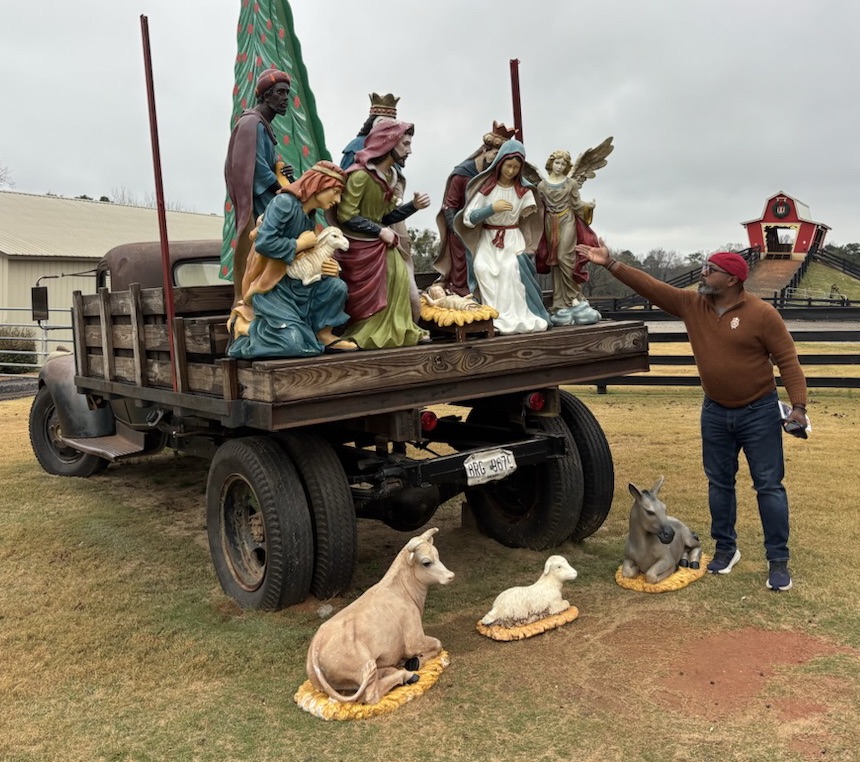
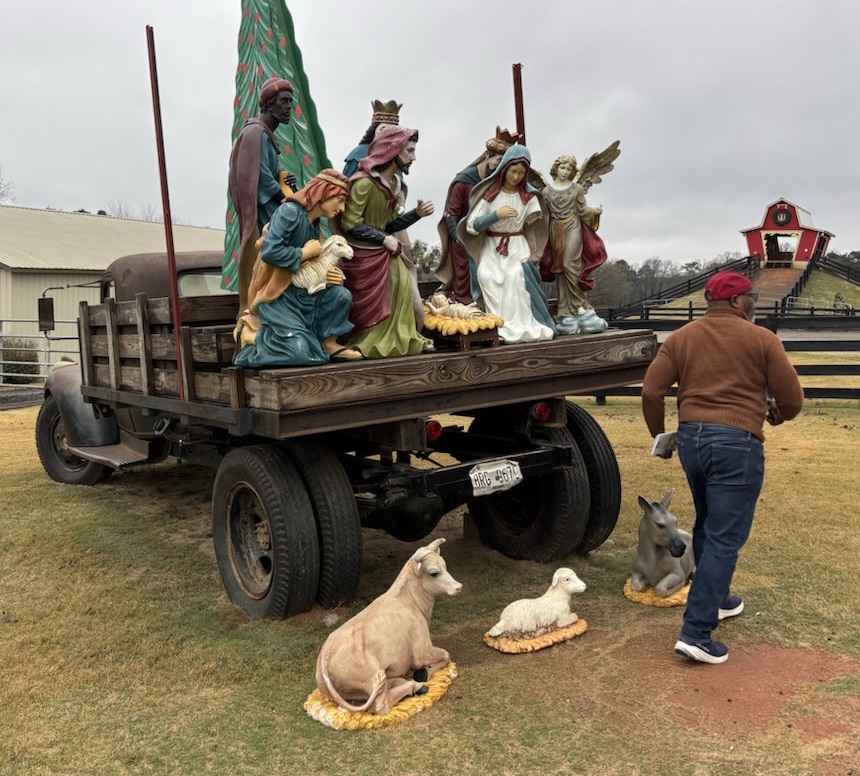
Recently Robert and I visited Southern Belle Farms in McDonough GA. Walking to the side of their fabulous country market, HR yelled, “Neal, look! Baby Jesus on a truck!”
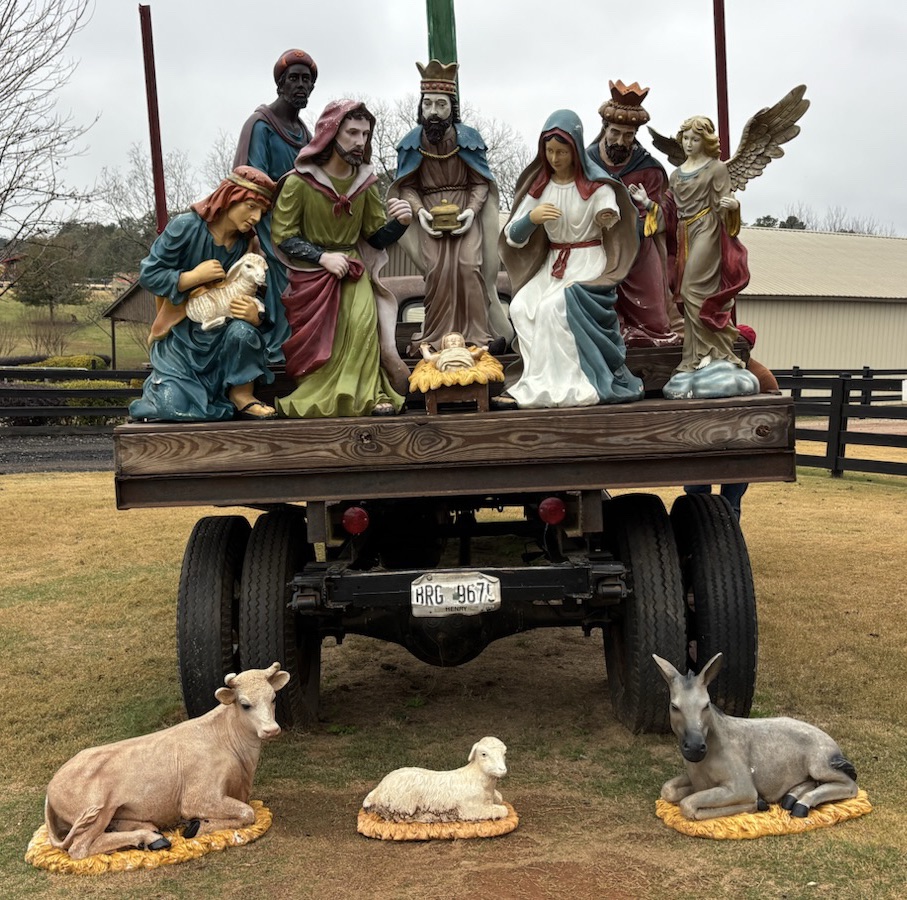
And sure enough, as I got closer, I saw them—all the stars of the traditional crèche: Mary, Joseph and the Baby. The Three Wise Men. An Angel. A Shepherd and his Sheep.
All mounted on an old school farm truck!
Robert started pointing and giving a little impromptu lecture about the various Nativity personnel, as if I were a toddler new to Sunday School.
Mentally asleep for a while in his mansplaining words, I finally woke up and asked, “What do you think happened to Mary’s left arm?”
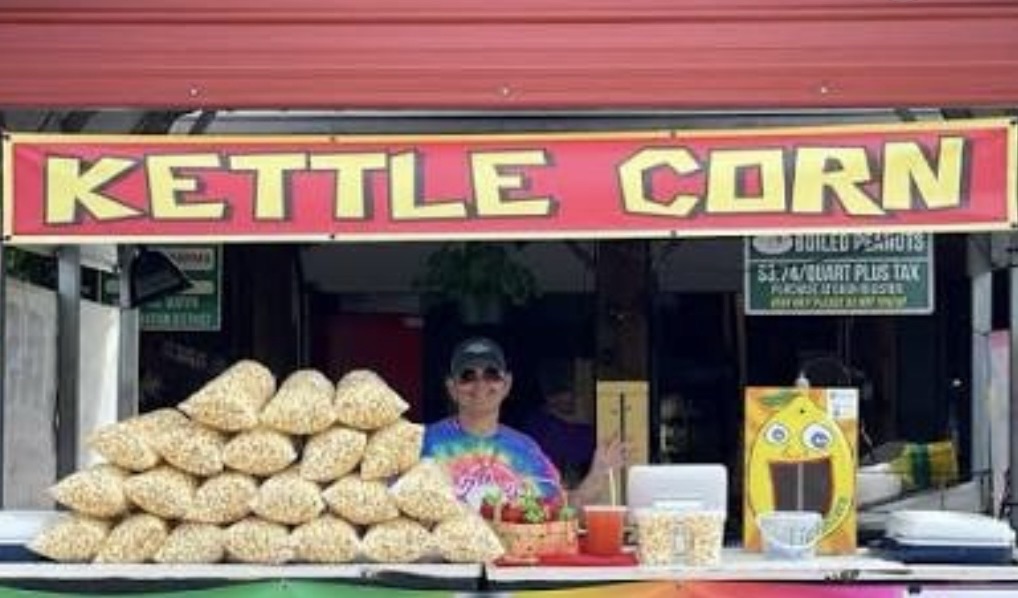
“Neal, you’re missing the whole point of the display!” he sputtered as he huffed off toward the Kettle Corn stand.
I stood there for a while, pondering about what was missing. Until I finally followed the buttery scent to the Kettle Corn and to Robert.







 NealEnJoy